Key Points:
- AI makes work optional
- College for growth, not jobs
- Education must reinvent for human skills
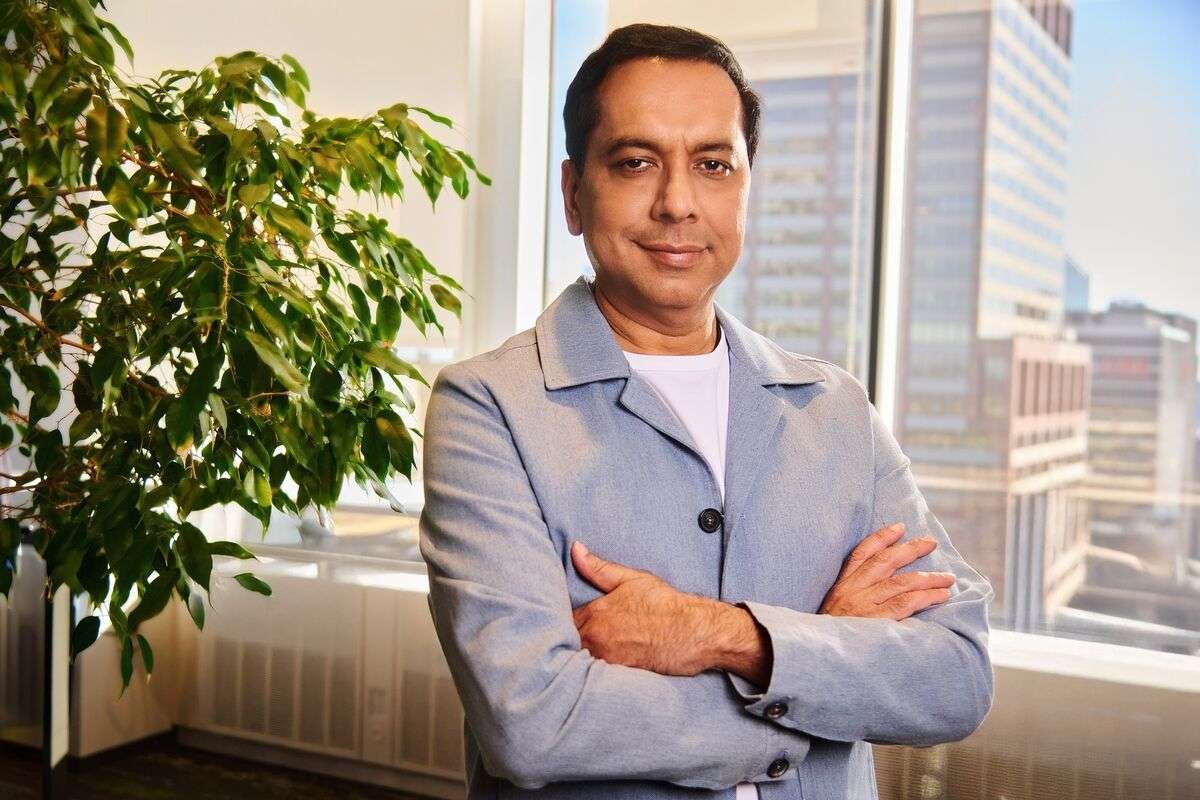
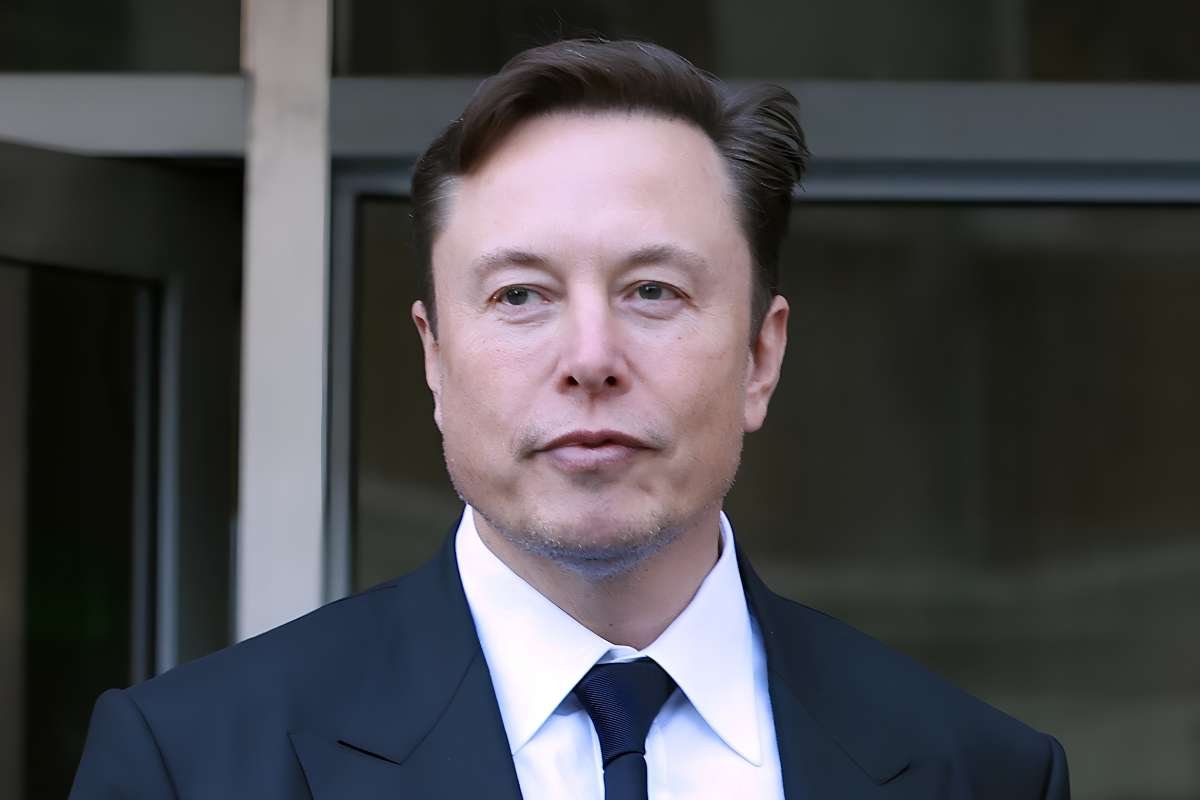
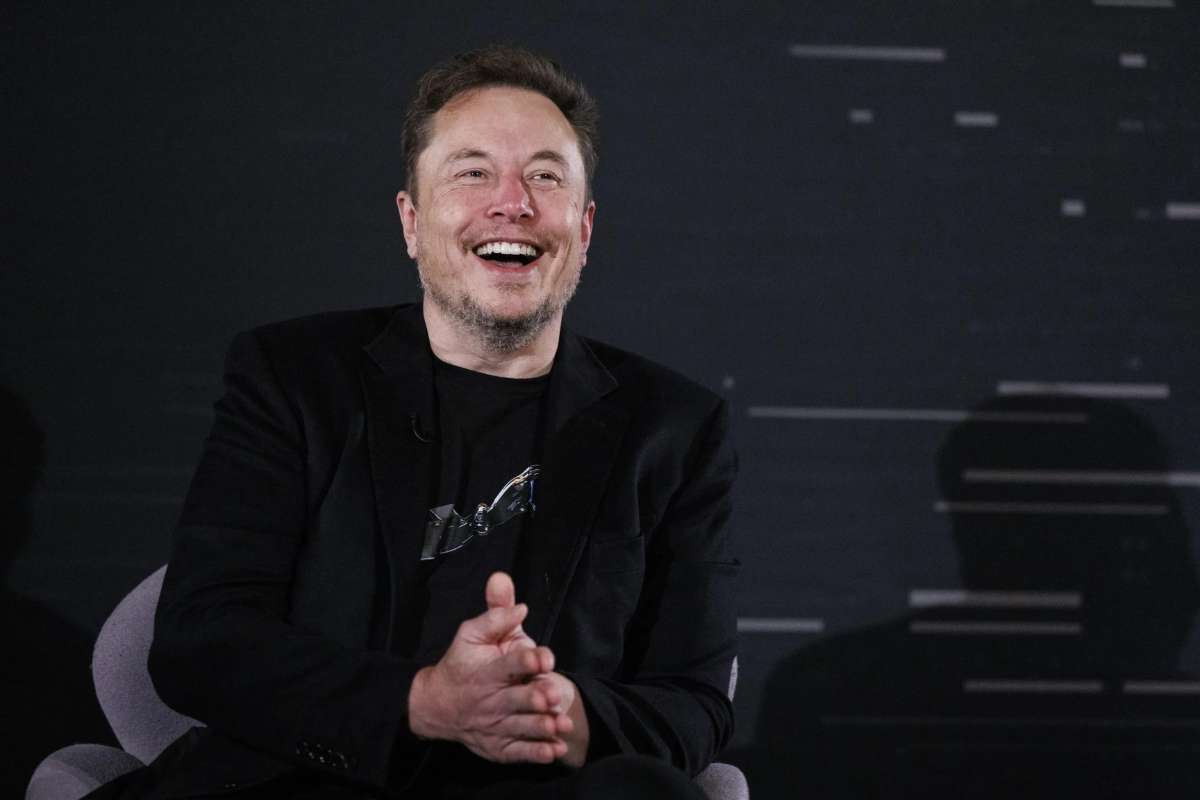
Elon Musk has renewed his warning that artificial intelligence could dramatically reshape the global workforce, saying most human skills may become “irrelevant” in the next two decades. Speaking in a recent conversation with investor Nikhil Kamath, he described AI and robotics as a “supersonic tsunami” heading toward society, one that will automate nearly every type of labour, from physical tasks to complex analytical work.
According to Musk, the acceleration of AI capabilities is moving so fast that traditional job structures may not survive. He suggested that work may turn into a choice rather than a necessity, creating a future where basic societal functions are managed by highly capable machines. Humans, he argued, will still have the option to work, but economic survival may no longer depend on it.
Elon Musk also hinted that this shift will fundamentally alter how societies think about careers, productivity, and the value of human contribution. As machines outperform humans in speed, accuracy, and scale, he believes the definition of “useful skills” will undergo a complete reset.
College Still Valuable — But for Different Reasons
Despite his often critical stance on higher education, Elon Musk offered a more balanced view this time. He acknowledged that while a college degree may not be essential for building a career in an AI-dominated world, universities still hold value. He emphasized that college can serve as a formative experience, a place for intellectual exploration, personal growth, and social learning.
Elon Musk said that even his own children want to go to college, not for job placement but for exposure to diverse ideas and a sense of community. He encouraged students who do choose to attend to take advantage of the environment by exploring different fields instead of focusing narrowly on job-oriented courses.
According to him, the future demands adaptability rather than rigid specialization. As AI becomes capable of executing many structured tasks, the role of education may shift toward broad knowledge-building and cultivating human traits that technology can’t easily replicate.
Experts Call for Reinventing Human-Centric Learning
While Musk’s predictions sparked wide debate, educators and industry experts agree on one core idea: the rise of AI exposes deep limitations in current educational models. Many argue that instead of becoming obsolete, learning must evolve. They believe that universities and training systems should transition from rote, mechanized teaching to more human-centric development.
Experts suggest that future-proof skills will revolve around creativity, leadership, decision-making, emotional intelligence, entrepreneurial thinking, and the ability to guide AI systems rather than compete with them. These qualities, they say, cannot be automated in the foreseeable future.
Some academics argue that the threat posed by AI is not to education itself but to outdated teaching styles that focus too heavily on memorization and formula-based assessments. They emphasize the need for institutions to cultivate curiosity, resilience, interdisciplinary thinking, and real-world problem-solving qualities that define human uniqueness.