
Protein is essential not only for athletes but also for anyone seeking to support muscle repair, enhance metabolism, or maintain overall wellness. The best protein shakes for health offer a convenient and effective way to meet daily protein needs. Whether you prefer ready-to-drink shakes or homemade blends, these options help fuel your body with essential amino acids and nutrients.
With countless protein shakes on the market, it’s essential to understand what makes a shake truly beneficial. The best protein shakes for health can support muscle growth, weight management, and even gut health. This article explores the types of protein shakes, their benefits, how to choose the right one for your needs, the best times to drink them, and precautions to consider in 2026.
What Are Protein Shakes?
Protein shakes are beverages made by mixing protein powder with water, milk, or plant-based liquids, or available pre-mixed in bottles. A typical serving provides between 10 and 30 grams of protein, sourced from ingredients such as whey, casein, eggs, or plant-based options like peas, rice, and hemp. Many shakes include added fiber, vitamins, minerals, and natural flavorings to boost nutrition and taste.
They serve as a convenient way to increase protein intake, especially for those with busy lives or special dietary requirements. Since protein helps build and repair muscles, as well as support other essential body functions, getting enough protein daily can enhance recovery, strength, and satiety.
Types of protein shakes
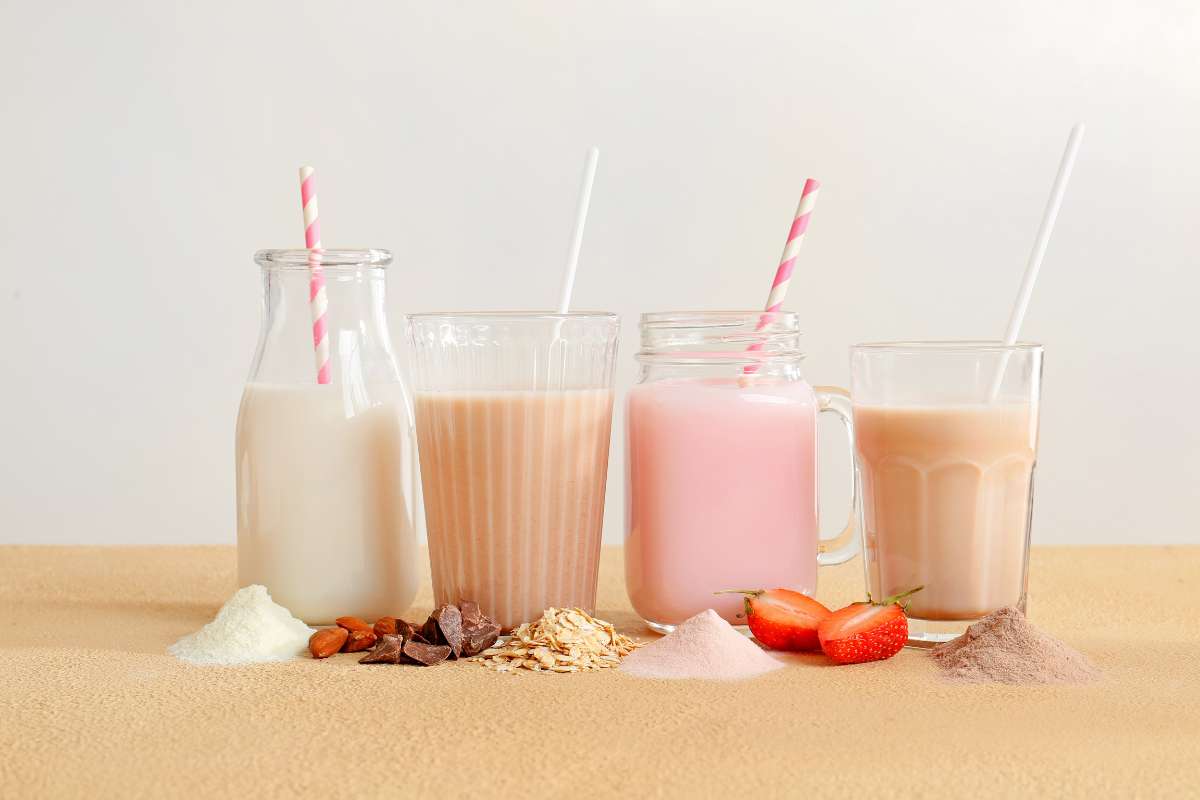
Understanding the source of protein in your shake helps you make better choices based on your goals and dietary needs. The best protein shakes for health feature different types of protein to support various benefits.
1. Whey Protein
Whey comes from cow’s milk and is one of the most popular protein sources in shakes. It contains all nine essential amino acids your body cannot produce on its own, making it a complete protein. Whey digests quickly, leading to a rapid increase in blood amino acids that makes it ideal for post-workout recovery when your muscles need immediate repair. It is rich in branched-chain amino acids, especially leucine, which triggers muscle protein synthesis. Research indicates whey protein may help control blood pressure, improve antioxidant effects, and regulate blood glucose levels. However, people with lactose intolerance or milk allergies may experience digestive discomfort with whey-based products.
2. Plant-Based Protein
Plant proteins are derived from sources such as peas, rice, hemp, soy, and quinoa. These are great options for vegans, vegetarians, and those with dairy sensitivities or allergies. Plant-based shakes tend to be lower in saturated fats, higher in fiber, and packed with antioxidants supporting gut and cardiovascular health. They may help reduce LDL cholesterol levels and cause smaller insulin spikes compared to dairy proteins. While individual plant proteins sometimes lack some essential amino acids, manufacturers blend different sources to create complete amino acid profiles. Plant proteins digest more slowly than whey, which can help you feel full longer.
3. Casein Protein
Casein, another dairy protein, digests much more slowly than whey. This slow release of amino acids makes it perfect for drinking before bed, supporting muscle recovery during sleep, and preventing muscle breakdown during extended fasting periods.
Health Benefits of Protein Shakes

The best protein shakes for health deliver more than just protein. They offer multiple advantages that support muscle building, weight management, and overall nutrition.
1. Muscle Building and Recovery
Protein shakes provide the amino acids needed to repair the tiny tears in muscle fibers caused by exercise. Combined with strength training, adequate protein intake helps build lean muscle mass. Studies show drinking protein within one to two hours after working out maximizes muscle protein synthesis. One study found that older adults who consumed an extra 20 grams of protein weekly in shake form gained significantly more muscle mass than those who ate less protein.
2. Weight Loss Support
Protein digests more slowly than carbohydrates or fats, helping prolong fullness and reduce overall calorie intake. Your body also burns more calories digesting protein, which slightly boosts your metabolism. Research indicates that consuming protein shakes approximately 30 minutes before meals can help decrease hunger signals, leading to smaller portion sizes. A 12-week study found women on a high-protein diet lost more body fat and inches in waist circumference compared to those on a standard protein diet. Protein shakes are most effective for weight loss when used in conjunction with exercise and a calorie-controlled diet.
3. Convenience for Busy Lifestyles
For those juggling hectic schedules, protein shakes provide a quick and easy way to meet protein requirements without the need for meal prep. They can serve as meal replacements when balanced nutritionally, post-workout recovery drinks, or between-meal snacks to prevent unhealthy snacking.
4. Support for Special Populations
Older adults who may have reduced appetite can use the best protein shakes for health to maintain muscle mass, as they typically need about 0.6 grams of protein per pound of body weight daily. People recovering from injuries or planning surgery benefit from protein shakes because the amino acids support tissue repair and wound healing. Those following plant-based diets can meet their protein goals more easily with vegan protein options.
5. Gut Health Benefits
Recent research highlights the strong connection between protein shakes and digestive wellness. Many modern protein shakes combine protein with probiotics, live beneficial bacteria that help maintain gut balance, improve nutrient absorption, and reduce bloating. Probiotics strengthen the gut barrier, preventing harmful substances from entering the bloodstream and reducing inflammation. Additionally, prebiotics found in fiber-rich ingredients help beneficial gut bacteria flourish. As we move into 2026, gut health has become a primary wellness focus, and the best protein shakes for health increasingly include digestive enzymes and probiotic strains to support overall well-being.
How to Choose the Best Protein Shakes for Health?

Selecting the right protein shake requires evaluating several factors.
➛ Protein Content: Look for shakes that provide 20 to 30 grams of protein per serving, as research suggests this offers optimal benefits. Check the protein-to-calorie ratio to ensure you get good nutritional value.
➛ Sugar Content: Choose products with less than 5 grams of added sugar per serving. Many commercial shakes pack up to 30 grams of sugar, which can cause blood sugar spikes and contribute to weight gain. The American Heart Association recommends limiting daily sugar intake to 24 grams for women and 36 grams for men.
➛ Ingredient Quality: The best protein shakes for health feature short, recognizable ingredient lists with minimal artificial additives, fillers, and preservatives. Look for products that include digestive enzymes to improve protein absorption and reduce bloating. Some quality shakes also contain added vitamins, minerals, and probiotics for enhanced wellness benefits.
➛ Third-Party Testing: Since the FDA does not regulate dietary supplements before they reach the market, choose protein shakes certified by independent testing organizations, such as NSF International, Informed Choice, FSSAI (in India), or ISO. These certifications ensure the purity, safety, and accuracy of product labels.
➛ Protein Type Based on Goals: For muscle gain, select whey protein isolate or concentrate. For weight loss, opt for low-carb, low-fat formulas with added fiber. For general wellness, opt for balanced blends that contain a variety of vitamins and minerals. Lactose-intolerant individuals should pick plant-based alternatives.
➛ Taste and Digestibility: Even the healthiest shake will not benefit you if you cannot drink it consistently. Choose flavors you enjoy and products that digest easily without causing gastrointestinal discomfort. Chocolate and vanilla remain the most popular flavors because they effectively mask the natural taste of protein. Other well-received options include cookies and cream, caramel, peanut butter, and various fruit flavors.
Related articles
- Juice Recipes for Glowing Skin: Sip Your Way to Radiance
- Detox Drinks for Glowing Skin: Sip Your Way to Radiance
Conclusion
The best protein shakes for health are practical tools for reaching your nutritional goals when chosen thoughtfully. They support muscle building and recovery, aid weight management, and provide convenient nutrition for busy lifestyles. Whether you prefer fast-absorbing whey, heart-healthy plant proteins, or slow-releasing casein, understanding your needs helps you pick the right shake.
In 2026, consumer preferences favor clean-label, sustainable, and gut-friendly products with probiotics. Look for shakes that offer 20-30 grams of high-quality protein per serving, minimal added sugars, and third-party certifications. Remember, protein shakes should complement a balanced diet rather than replace meals.
Limit your intake to one or two shakes daily, unless your activity level requires more. Stay hydrated, combine protein with exercise, and consult a healthcare provider if you have health concerns. Following these tips ensures the best protein shakes for health fit seamlessly into your wellness routine and help you meet your goals.