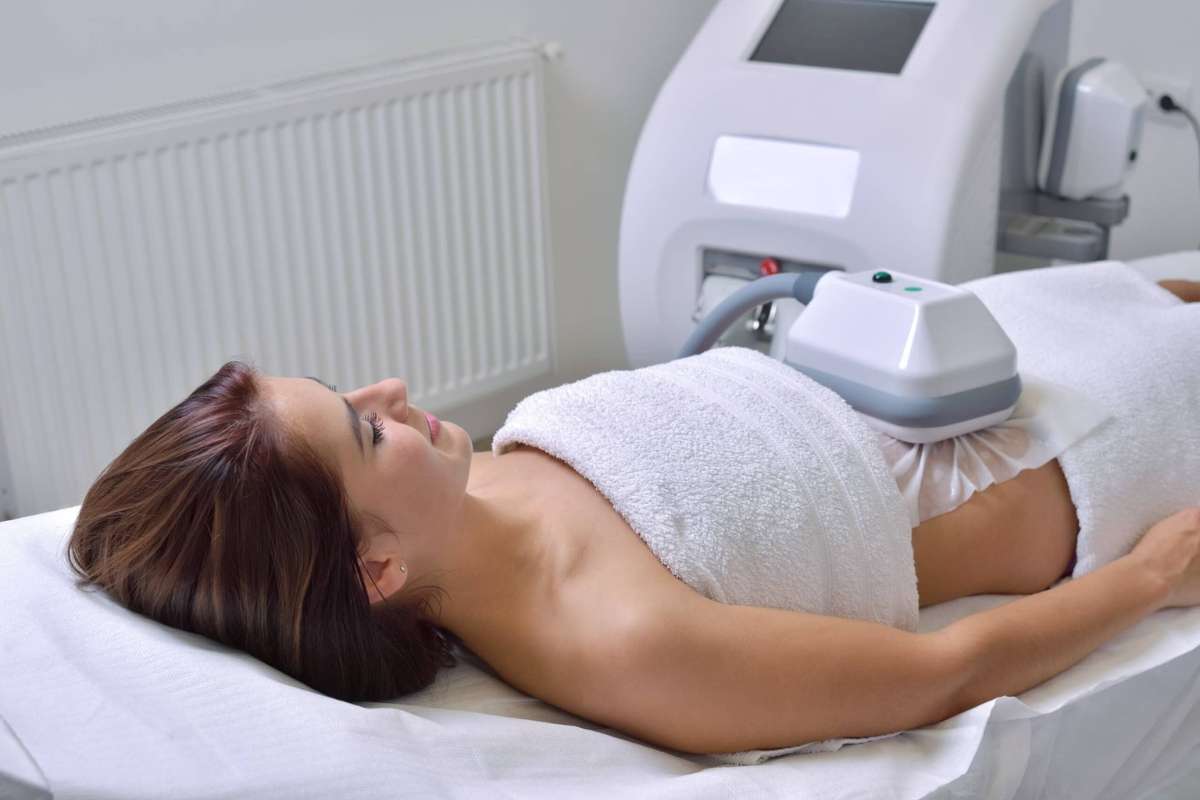
Stubborn fat that refuses to budge, no matter how hard you work out at the gym, can be incredibly frustrating. Traditional diet and exercise routines often fail to address those annoying pockets of fat on your chin, belly, or thighs. What is CoolSculpting, then? It’s a non-invasive cosmetic procedure that uses freezing temperatures to eliminate stubborn fat deposits without surgery or downtime, resulting in permanent results. Unlike liposuction or other surgical methods, this fat-freezing treatment lets you return to your regular activities immediately after the session ends.
The procedure became FDA-approved in 2010 and has since transformed how millions of people approach body contouring. What is CoolSculpting exactly—and why has it become so popular? The answer lies in its ability to permanently destroy fat cells in targeted areas while preserving the surrounding skin and tissue. Over 17 million treatments have been performed worldwide, making it one of the most trusted nonsurgical fat reduction options available today.
In this article, we’ll explain how this innovative treatment works, what to expect during and after the procedure, potential risks, and whether the results truly last. Whether you’re considering your first session or simply curious about the technology, this guide covers everything you need to know about CoolSculpting.
What Is CoolSculpting and How Does It Work?
CoolSculpting is the brand name for a fat reduction technique called cryolipolysis. The term might sound complicated, but the science behind it is surprisingly straightforward. The treatment utilizes controlled cooling to selectively freeze fat cells, while leaving the skin and muscle tissue untouched. Scientists originally developed this concept after studying what happens to fat during frostbite—specifically, that fat freezes at a higher temperature than skin, making it possible to destroy fat without causing damage to surrounding areas.
During a CoolSculpting session, a trained technician places a special applicator against your skin over the targeted treatment area. The device creates a gentle suction that pulls the fatty tissue upward into the applicator, which then cools it to temperatures between 32°F and 59°F. This extreme cold crystallizes the fat cells, injuring their structure and triggering your body’s natural elimination process. The treatment typically lasts between 35 and 75 minutes, depending on the body area being targeted and the size of the applicator used.
Which Body Areas Can CoolSculpting Target?
The FDA has cleared CoolSculpting for nine specific body areas, including the abdomen, flanks (also known as love handles), inner and outer thighs, upper arms, under the chin, under the jawline, under the buttocks (also referred to as the banana roll), back fat, and bra fat. The versatility of the procedure means most people with stubborn fat in these regions are good candidates for treatment. However, smaller areas, such as the chin and jawline, typically require fewer sessions and cost less than larger zones, like the abdomen or flanks.
How Does It Achieve Fat Reduction?
The freezing process works because fat cells are uniquely sensitive to cold compared to other cell types in your body. When the applicator cools your tissue, the fat cells crystallize and die, while your skin remains protected because it freezes at a much lower temperature. Once the fat cells are damaged, your immune system recognizes them as dead tissue and gradually removes them from your body over the following weeks and months. This is where patience becomes essential—you won’t see results overnight.
Most people begin noticing changes within four to six weeks, but full results typically appear between two and three months after treatment. A single CoolSculpting session can reduce fat in the treated area by 10 to 25 percent on average. Some areas respond better than others, with the abdomen, flanks, and back showing powerful results in clinical studies. For larger areas or people wanting a more dramatic reduction, multiple sessions spaced several weeks apart may be necessary.
Does the Fat Come Back After CoolSculpting?
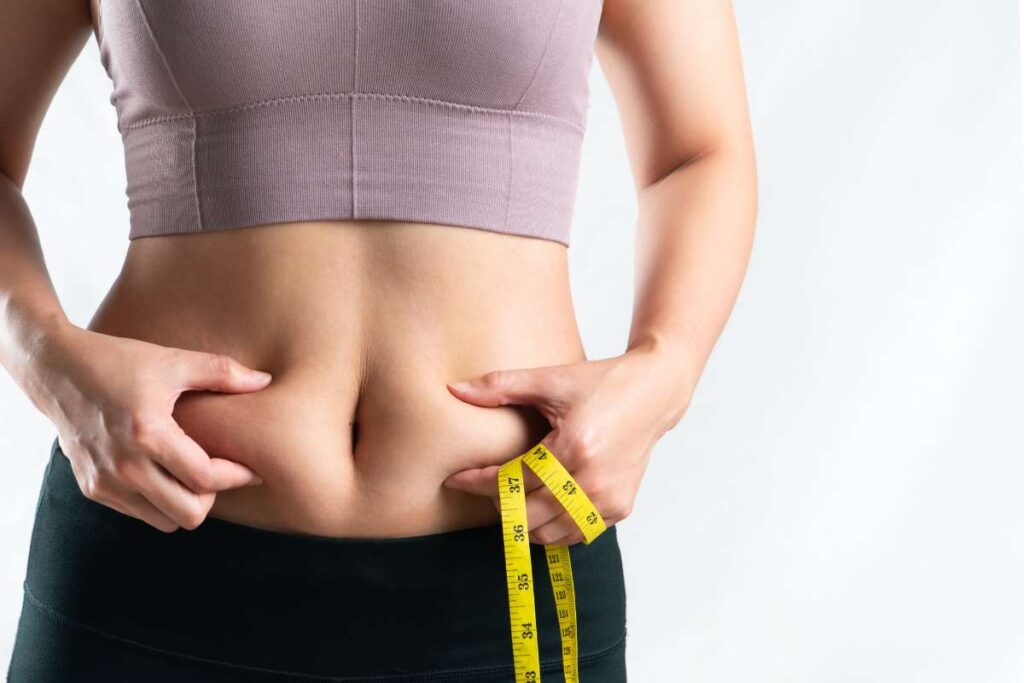
One of the most attractive features of CoolSculpting is its permanence. When the treatment destroys fat cells, those cells are permanently eliminated. They don’t regenerate or return to the treated area. Your body doesn’t create new fat cells to replace the destroyed ones, which means the results can last indefinitely if you maintain a stable weight.
Weight Gain and Remaining Fat Cells
Here’s the critical distinction: while the treated fat cells are permanently eliminated, any weight gain after your procedure will be distributed across your entire body rather than concentrating in the area where you were treated. The remaining fat cells in the treated area can still expand if you gain weight, which could affect the appearance of your results. This is why maintaining a healthy lifestyle after CoolSculpting is crucial for preserving your investment.
Research from clinical studies supports the permanence of results. One study tracked patients six months after their treatment and found an average fat reduction of 46.6 percent in the treated abdominal area. Another study showed that patients who maintained their weight kept their results long-term. The takeaway is clear: CoolSculpting offers permanent fat cell destruction, but it is most effective for individuals committed to a healthy diet and regular exercise.
CoolSculpting Is Not a Weight Loss Tool
It’s essential to understand that CoolSculpting is not a weight loss procedure. It’s designed for people at or near their ideal body weight who want to eliminate isolated pockets of stubborn fat. The treatment is most effective for individuals with a BMI between 18.5 and 25. For people with a BMI between 25 and 30, multiple sessions may be needed. Anyone with a BMI above 30 would benefit more from surgical options like liposuction or from focusing on weight loss through diet and exercise first.
Risks, Side Effects, and Important Safety Considerations
Like any cosmetic procedure, CoolSculpting carries some potential risks and side effects, though serious complications are rare. Understanding what to expect helps you make an informed decision about whether treatment is proper for you.
Common Side Effects

Most side effects are mild and temporary, typically fading within a week or two. You might experience redness, swelling, numbness, tingling, bruising, or a firmness in the treated area immediately after your session. Some patients report mild aching or tenderness similar to the soreness after an intense workout. These sensations are normal and indicate that the treatment is working. A small percentage of patients—about 10 percent—develop bruises that resolve within two weeks.
During the procedure itself, you’ll feel an intense cold sensation and some pulling or tugging as the applicator vacuums your skin. After about 10 minutes, the area becomes numb, which makes the rest of the treatment much more comfortable.
Paradoxical Adipose Hyperplasia (PAH)
The most concerning potential side effect is paradoxical adipose hyperplasia, or PAH. This rare condition occurs when the treated area actually gains fat instead of losing it. Rather than being destroyed, some fat cells become enlarged, creating a firm, bulging mass under the skin. PAH is exceptionally rare, affecting fewer than 1 percent of patients treated—and in some studies, as few as 0.5 percent. It’s more likely to occur in males, people of Hispanic descent, and when larger applicators are used on the abdominal region.
If PAH does develop, it typically appears two to five months after treatment and won’t resolve on its own. Treatment options include liposuction, a tummy tuck, or injections of deoxycholic acid (Kybella). While this side effect sounds frightening, remember that it affects a tiny fraction of the millions of people who’ve undergone CoolSculpting.
Other Rare Complications
In sporadic cases, patients have reported more serious complications, including skin discoloration, blistering, tissue death, or inflammation of the subcutaneous fat layer (cold panniculitis). A comprehensive review of approximately 1,500 cryolipolysis patients found complications in less than 1% of cases. The procedure carries significantly fewer risks than invasive surgical alternatives, such as traditional liposuction.
Who Should Avoid CoolSculpting?
Certain conditions make CoolSculpting unsuitable or risky. You should avoid the procedure if you have cryoglobulinemia, cold agglutinin disease, or paroxysmal cold hemoglobinuria. People with Raynaud’s phenomenon should consult their rheumatologist before proceeding. Pregnant or nursing women should postpone treatment, and anyone with loose skin, poor skin tone, or significant scarring in the treatment area may not be an ideal candidate. If you’ve had recent surgery or have an active infection, wait until you’ve fully healed before scheduling treatment.
The Cost of CoolSculpting
Cost is often a significant factor when deciding whether to undergo a cosmetic procedure. CoolSculpting is not covered by insurance since it’s considered an elective cosmetic treatment. The average cost of a single session ranges from $1,157 to $3,200, depending on several factors.
The price varies based on the treatment area size (smaller areas, such as the chin, cost less than larger areas, like the abdomen), the number of sessions needed, the provider’s experience and location, and which machine version (Standard or Elite) is used. A typical personalized treatment plan costs between $2,000 and $4,000. Many practices offer financing options or membership programs, such as the Allē app, which provides rewards and discounts on treatments.
See More: Healthy Aging: Strategies for Staying Active and Independent
Conclusion
CoolSculpting provides a safe, effective, and non-invasive option for eliminating stubborn fat without the need for surgery or significant downtime. The procedure permanently destroys fat cells through controlled freezing, with results becoming visible gradually over a period of two to three months. Unlike weight loss treatments, it’s designed for spot reduction in specific body areas and works best for people near their ideal body weight.
The side effects are generally mild and temporary, with serious complications being infrequent. The permanent nature of the results means the fat won’t return to treated areas; however, maintaining a healthy weight is essential for preserving your appearance. While the cost can be substantial, many people find the benefits justify the investment, especially when compared to surgical alternatives.
Frequently Asked Questions
Q. Does CoolSculpting actually work?
A. Yes, clinical studies consistently show that CoolSculpting effectively reduces fat by 10 to 25 percent per treatment. However, results are gradual, and complete effects take two to three months to appear.
Q. How many treatments do I need?
A. Most people see good results with one to three treatments, depending on their goals and the size of the area. Some patients opt for additional sessions to achieve greater fat reduction.
Q. What happens after CoolSculpting if I gain weight?
A. The destroyed fat cells won’t return, but any weight gain will be distributed evenly across your body rather than concentrating in the treated area. The remaining fat cells can expand if you gain weight, which is why maintaining a stable weight is essential.
Q. Is CoolSculpting safe?
A. CoolSculpting is FDA-cleared and has an excellent safety record. Serious complications are infrequent, and side effects are typically mild and temporary.
Q. How long before I see results?
A. You might notice subtle changes within four to six weeks, but most people see their full results between two and three months after treatment as their body processes the destroyed fat cells.
Q. Can I go back to work after CoolSculpting?
A. Yes, there’s no downtime required. You can return to your normal activities immediately after your appointment.
Q. Is CoolSculpting permanent?
A. The destroyed fat cells are permanently gone. Results will last as long as you maintain a stable weight and a healthy lifestyle.