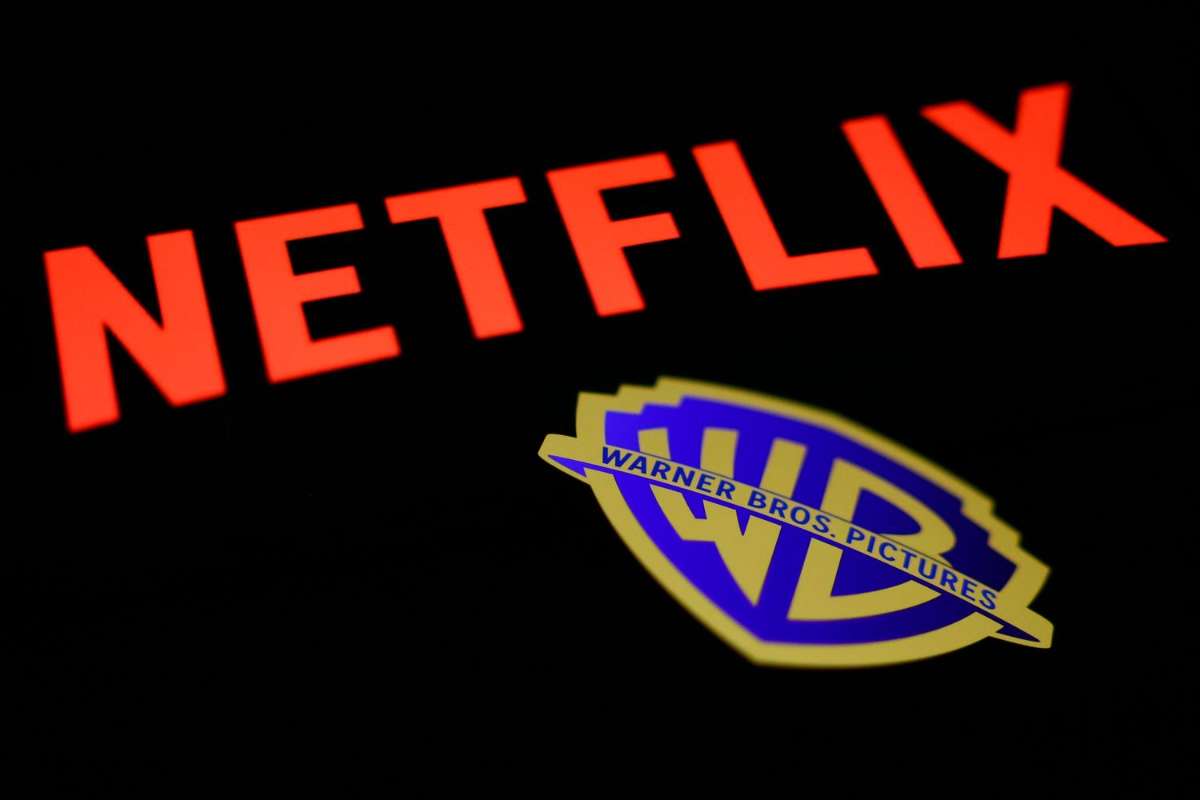
Warner Bros Discovery has formally urged its shareholders to reject a hostile takeover bid from Paramount Skydance, reinforcing its commitment to a previously announced acquisition agreement with Netflix. In a detailed communication to investors, the company’s board described Paramount’s all-cash proposal as financially and strategically inferior, despite offering a higher per-share price.
The board highlighted concerns over the structure of Paramount’s bid, pointing to heavy reliance on debt financing and complex funding arrangements that could expose shareholders to heightened risk. By contrast, Warner Bros Discovery emphasized that Netflix’s cash-and-stock offer is backed by a stronger balance sheet and a proven global streaming platform, offering greater long-term stability.
Executives argued that a partnership with Netflix would unlock broader global distribution, accelerate growth in streaming subscriptions, and strengthen Warner’s content pipeline across film, television, and digital platforms. While Paramount’s offer promises immediate cash returns, the board maintained that long-term shareholder value would be better served through strategic alignment with a global streaming leader rather than a highly leveraged takeover.
Paramount’s Hostile Offer Raises Strategic Questions
Paramount Skydance launched its unsolicited bid shortly after Warner Bros Discovery finalized its agreement with Netflix, aiming to persuade shareholders directly after failing to win board approval. The offer sought to acquire Warner’s entire portfolio, including its film studios, streaming operations, and cable networks, positioning the deal as a consolidation of traditional media powerhouses.
Supporters of the Paramount proposal have argued that an all-cash transaction provides certainty and avoids the volatility of stock-based deals. However, Warner’s leadership countered that certainty of price does not necessarily translate to certainty of completion. They warned that the financing model behind the bid could face regulatory, operational, and execution challenges that may ultimately delay or derail the transaction.
The bid has also drawn attention due to the involvement of multiple external investors and shifting financial backers, raising questions about long-term governance and strategic direction. Recent developments have further complicated the picture, with at least one prominent financial supporter withdrawing from the bid, adding pressure to Paramount’s funding strategy and weakening confidence in its proposal.
High-Stakes Decision Ahead for Shareholders
With both offers still technically on the table, Warner Bros Discovery shareholders now face a consequential decision that could reshape the global entertainment landscape. Those considering the Paramount bid are weighing a higher immediate payout against the board’s warnings of elevated risk and uncertain execution. Meanwhile, the Netflix deal presents a lower upfront valuation but promises long-term growth tied to streaming dominance and global scale.
The outcome of this battle will have far-reaching implications for Hollywood, streaming competition, and media consolidation. A Warner-Netflix combination could further concentrate power in the streaming market, while a Paramount-led acquisition would unite legacy media assets under a single umbrella at a time when traditional television faces mounting pressure.
As the deadline for shareholder decisions approaches, industry observers expect intense scrutiny from regulators and investors alike. Regardless of the outcome, the contest underscores a defining moment for the media industry, one where strategic alignment, financial resilience, and long-term vision may ultimately matter more than headline valuations.