Healthy eating often sparks debates about fats, oils, and what we should include on our plates every day. One topic that continues to draw attention is the benefits of seed oils in regular diets. Some people view seed oils as a simple cooking ingredient, while others consider them a key part of achieving better heart health. Scientific evidence continues to grow, and by 2026, researchers are expected to have gained even more insight into how these oils may support long-term health.
The benefits of seed oils stem from their nutrient content, particularly unsaturated fats that the body needs but cannot produce on its own. These fats help the body with energy use, cell health, and maintaining healthy blood fats when used instead of saturated fats. Over time, research has also linked seed oil intake with better risk markers for several long-term conditions.
In this article, we will explore the science, health effects, common misconceptions, and how to include seed oils in your daily meals.
What Are Seed Oils?
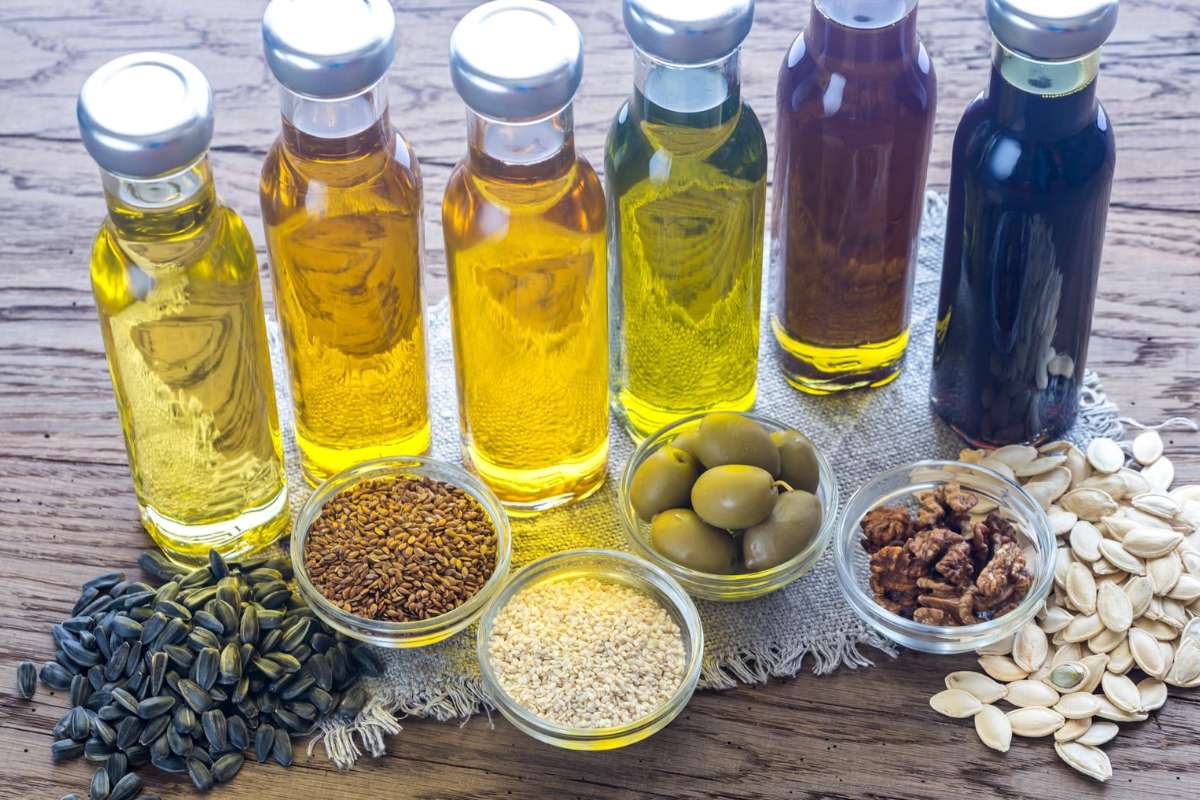
Seed oils are extracted from the seeds of various plants, including sunflower, safflower, soybean, canola, sesame, and grapeseed, among others. Their neutral taste, flexible cooking properties, and wide availability make them among the most used oils in both home kitchens and commercial food production worldwide. By 2026, newer extraction methods and stricter quality controls are expected to improve purity and consistency further, making these oils even more accessible to individuals seeking healthier options.
Many people use seed oils daily without giving much thought to their nutritional value. However, these oils are rich in unsaturated fats and essential fatty acids that the body relies on for vital functions. Part of understanding the benefits of seed oils comes from recognizing that they offer nutrients the body cannot produce on its own. Because of this, nutrition experts often recommend them as part of a balanced approach to dietary fat.
Seed oils also vary in their exact fat composition. For example, canola oil contains a good amount of monounsaturated fat, while safflower and sunflower oils are high in polyunsaturated fat. Soybean oil contains a mix of both, along with small amounts of omega-3 fatty acids. This diversity enables people to select oils based on their taste, preferred cooking method, or nutritional needs.
Five Health Benefits of Seed Oils
1. Heart Health and Better Lipid Profiles
One of the most widely studied benefits of seed oils is their impact on heart health. Doctors and dietitians have long suggested replacing saturated fats with unsaturated fats to support healthier cholesterol levels. By 2026, even more evidence confirms this guidance. Clinical studies continue to show that shifting from butter, ghee, palm oil, and other saturated fats to seed oils can help reduce LDL cholesterol while maintaining or improving HDL cholesterol levels.
Lower LDL cholesterol reduces strain on blood vessels and decreases plaque buildup, both of which lower the risk of heart disease. These findings are not new, but they have been consistently reaffirmed by recent research across multiple countries. People who regularly use seed oils rather than saturated fats tend to exhibit more favorable heart-related biomarkers, which strengthens the scientific case for the benefits of seed oils in long-term cardiovascular support.
2. Support for Cell Function and Immunity

Every human cell relies on fats for structure and function. Unsaturated fats help maintain the flexibility of cell membranes, allowing cells to communicate effectively. Polyunsaturated fats also play a role in immune response, hormone production, and nutrient absorption. When people do not get enough of these essential fats, their energy levels, skin health, and overall wellness can be affected.
Seed oils provide these essential fats in a simple, everyday form. For people who do not consume many nuts, seeds, or fatty fish, seed oils act as a practical dietary source. This is another area where the benefits of seed oils have become clearer over time, as scientists continue to study them, gaining a deeper understanding of how profoundly these fats influence basic biological processes.
3. Glucose Metabolism and Reduced Diabetes Risk
Recent research has investigated the impact of dietary fat on glucose control. Studies published in 2025 and 2026 demonstrate that replacing saturated fat with polyunsaturated fat can help improve insulin sensitivity. Higher blood levels of linoleic acid, which is found in many seed oils, have been linked with a lower risk of developing type 2 diabetes.
This does not mean that seed oils cure or prevent diabetes on their own. Instead, they contribute to a healthier metabolic environment when part of a balanced overall eating pattern. Individuals who consume more unsaturated fats and fewer saturated fats tend to exhibit better long-term glucose stability. This adds another meaningful point to the ongoing discussion around the benefits of seed oils in everyday diets.
4. Understanding of Inflammation

For years, people have debated whether omega-6 fats contribute to increased inflammation. Newer research has clarified this misunderstanding. Regular consumption of seed oils does not raise inflammation markers in healthy adults. In fact, some recent studies have linked higher linoleic acid levels with lower inflammation, which challenges older assumptions.
The human body utilizes omega-6 fats for both anti-inflammatory and pro-inflammatory signaling, which is a normal and necessary process. The issue is not omega-6 fats themselves, but the overall balance of the diet. When people maintain a balanced intake of whole foods, vegetables, fruits, and proteins, seed oils can be easily incorporated and contribute to essential functions without creating inflammation problems.
5. Scientific Evidence
The scientific discussion surrounding the benefits of seed oils has intensified over the past decade. Numerous peer-reviewed studies, population surveys, and clinical trials consistently reinforce the same conclusion: diets that include seed oils, particularly when replacing saturated fats, are associated with improved long-term health outcomes.
Large-scale reviews from major public health institutions highlight the following evidence:
1. Consistent Heart Benefits Across Populations
Studies from 2024 through 2026 show that using seed oils in place of saturated fat helps lower the risk of heart disease. The effect remains consistent across different age groups, body types, and health backgrounds. This consistency strengthens confidence in the findings and adds weight to dietary guidelines that recommend unsaturated fats.
2. Clear Evidence Against Common Myths
Claims circulating online about seed oils being “toxic” or harmful have not been supported by scientific research. On the contrary, reviews from universities and medical organizations have consistently stated that typical intake levels are safe, beneficial, and far from the exaggerated claims often seen on social media. This has helped shift public discussion toward more informed conversations grounded in actual data.
3. New Research on Longevity and Chronic Disease
Studies published between 2025 and 2026 explored the relationship between unsaturated fat intake and longevity. Early findings suggest that people who consume more polyunsaturated fats, including those found in seed oils, may have better long-term outcomes related to chronic diseases. While the research is still in development, it offers promising insights into the expanding understanding of the benefits of seed oils in daily life.
Misconceptions and Ongoing Debates

➛ Concerns About Processing
Some people worry about how seed oils are extracted, mainly when solvents like hexane are used. Food scientists have clarified that these solvents do not remain in the final product in any meaningful amount. By 2026, improved extraction methods will have made the process even more precise, ensuring safety and quality. Regulatory agencies across multiple countries closely monitor oil refining standards to maintain consumer safety.
➛ The Issue of Oxidation
Another concern is that seed oils may oxidize easily. While polyunsaturated fats are more sensitive to heat and light, proper storage and regular rotation minimize this risk. Modern packaging, including opaque bottles and improved sealing methods, helps reduce oxidation. When used within recommended time frames, seed oils remain safe and retain their nutritional value.
➛ Confusion Around Omega-6 and Omega-3 Balance
People often hear that they need a specific ratio of omega-6 to omega-3 fats. This idea came from early research, but newer studies show that the ratio itself is not as crucial as previously thought. What matters is that people consume enough omega-3s while still getting the benefits of seed oils and their omega-6 fats. The body uses both types for essential processes, and having adequate amounts of each supports better health.
➛ Practical Uses and Daily Inclusion
People often switch to seed oils because they are convenient, affordable, and easy to incorporate into their diets. However, another benefit of seed oils is their flexibility in cooking.
They work well for sautéing, roasting, shallow frying, baking, and even cold uses, such as dressings. Because they have neutral flavors, they blend well with a wide range of cuisines and ingredients. Home cooks, restaurants, and packaged food companies rely on them because they do not overpower dishes.
By 2026, more people will have also grown comfortable mixing different seed oils depending on their needs. For example, sunflower oil may be preferred for baking, canola for everyday cooking, and soybean oil for dressings. This approach allows people to enjoy the nutritional benefits of each type while keeping meals interesting and varied.
Also Read: Food That Loves Your Face: 10 Best Foods for Healthy & Glowing Skin
Conclusion
The benefits of seed oils are supported by reliable research, nutritional guidance, and real-world dietary patterns. Whether someone is trying to improve heart health, support better cell function, manage cholesterol, or cook with a versatile oil, seed oils offer practical and meaningful advantages. They are not miracle foods, but they are valuable components of a balanced diet, mainly when used as a substitute for saturated fats.
As research progresses and people gain a clearer understanding of how dietary fats impact long-term health, seed oils remain one of the most accessible and evidence-based sources of healthy fats. With ongoing studies expected to deepen our understanding in the years to come, seed oils continue to play a crucial role in modern nutrition and everyday cooking.