Key Points:
- Musk’s $55B Tesla pay deal restored
- Net worth hits $679B record
- Executive pay debate reignited
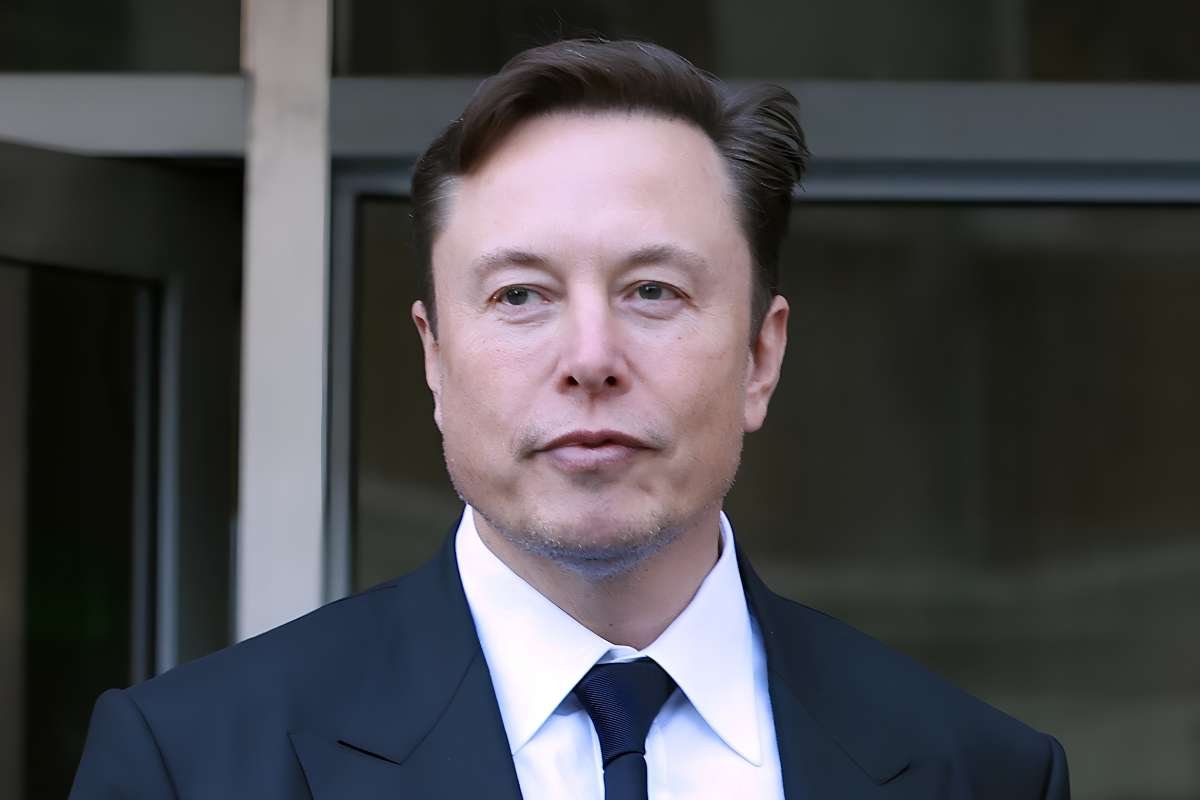
Elon Musk has secured a decisive legal victory after the Delaware Supreme Court reinstated his long-contested 2018 Tesla compensation package, reversing a lower court decision that had previously voided the agreement. The ruling restores a performance-based pay structure originally valued at $55 billion, marking one of the most significant executive compensation cases in corporate history.
The court concluded that completely invalidating the agreement was an excessive remedy, noting that Musk had worked for years without compensation while Tesla achieved the ambitious milestones outlined in the plan. Although the justices acknowledged governance concerns surrounding the board’s approval process, they determined that canceling the package in its entirety unfairly penalized the executive despite the company’s measurable success.
The lawsuit was initiated by a Tesla shareholder who argued that the package was excessive and improperly negotiated due to Musk’s influence over the board. In early 2024, the Delaware Chancery Court sided with the plaintiff and struck down the deal, prompting Musk to publicly criticize Delaware’s corporate legal framework and relocate Tesla’s and SpaceX’s incorporations to Texas. The Supreme Court’s reversal now brings the legal dispute to a dramatic close.
Net Worth Climbs Toward Historic Highs
The reinstatement of the pay package has had an immediate impact on Elon Musk’s personal wealth. His net worth is now estimated at approximately $679 billion, placing him far ahead of any other individual globally and reinforcing his position as the world’s wealthiest person.
The 2018 compensation plan was structured entirely around performance benchmarks, linking Elon Musk’s earnings to Tesla’s market capitalization and operational growth. Since the company exceeded those targets, expanding from a niche electric vehicle maker into a trillion-dollar enterprise, the restored stock options have appreciated substantially. Based on Tesla’s current valuation, the package is now worth significantly more than its original estimate.
If exercised in full, the restored options could also increase Musk’s ownership stake in Tesla, strengthening his control over the company at a time when it is heavily investing in artificial intelligence, autonomous driving technology, and next-generation manufacturing. Market analysts say the ruling not only reshapes Musk’s personal balance sheet but also reinforces his long-term influence over Tesla’s strategic direction.
Corporate Governance Debate Reignited
The court decision has reignited broader debates around executive pay, board independence, and shareholder oversight. Critics argue that such enormous compensation packages highlight structural weaknesses in corporate governance, while supporters contend that Elon Musk’s deal represents a rare example of pay being directly tied to extraordinary performance and shareholder value creation.
Tesla shareholders have since approved an even more ambitious compensation framework for Musk, potentially worth hundreds of billions of dollars if future growth targets are achieved. The move underscores investor confidence in Musk’s leadership, even as regulatory and legal scrutiny of executive compensation intensifies across corporate America.
The ruling also carries implications beyond Tesla, raising questions about how courts should balance governance concerns with performance-driven compensation in founder-led companies. Despite the controversy, the decision affirms that courts may be reluctant to nullify agreements outright when companies deliver the results shareholders were promised.
For Elon Musk, the outcome marks not just a financial windfall but a symbolic validation of a pay-for-performance model that has reshaped executive compensation debates worldwide.