Your eyes handle more than you realize each day. Screens, bright lights, pollution, and long hours of focus can slowly drain their strength. Over time, this strain may show up as dryness, fatigue, or blurred vision that refuses to go away. Many people start looking at nutrition as part of their eye care routine, especially when daily meals fall short.
The best eye vitamins support vision by supplying nutrients that help maintain eye comfort and protect against age-related changes. When paired with healthy habits, they can become a simple way to care for your eyes every day.
Here are the 17 Best Eye Vitamins for Clear Vision and Long-Term Eye Health
Healthy eyes depend on the right mix of vitamins and nutrients. Each one supports vision differently, from night sight to eye comfort. The list below explains how these vitamins protect the eyes and what happens when the body lacks them.
1. Vitamin A

Symptoms of Deficiency: Poor night vision, dry eyes, and frequent eye infections may appear with low levels.
Vitamin A supports clear vision and healthy eyes. It helps the retina turn light into signals for the brain. Carrots, sweet potatoes, spinach, and dairy products are rich sources. Without enough vitamin A, night blindness and dry eyes can develop. Long-term deficiency may damage the cornea and lead to more severe vision problems. It also strengthens the immune system, which helps fight infections affecting the eyes. Regular intake ensures both daytime and nighttime vision stays sharp.
2. Vitamin C

Symptoms of Deficiency: Cloudy vision, weak eye blood vessels, and slow healing can signal a deficiency.
Vitamin C protects the eyes from harmful free radicals. It supports collagen production, keeping the cornea and blood vessels strong. Citrus fruits, strawberries, bell peppers, and broccoli are rich sources. Deficiency can increase the risk of cataracts and age-related macular degeneration (AMD). Adequate intake also helps eyes heal faster from injury. Vitamin C improves blood vessel strength, reducing the chance of hemorrhage in the retina. Daily intake supports overall eye structure and function.
3. Vitamin E
Symptoms of Deficiency: Increased eye dryness, light sensitivity, and gradual vision decline may occur.
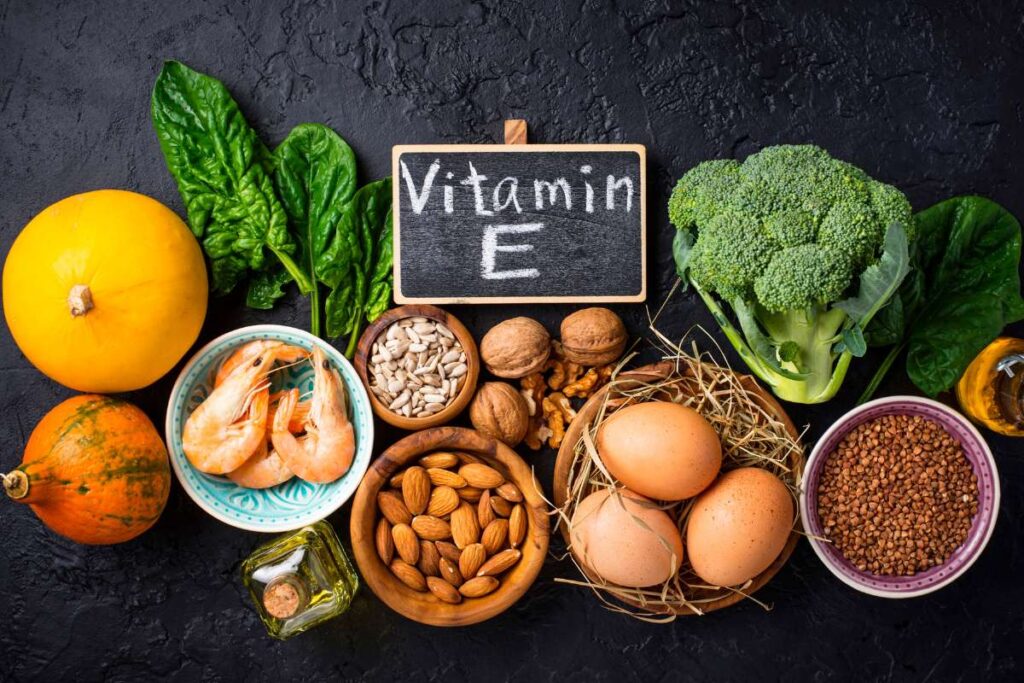
Vitamin E acts as an antioxidant and shields eye cells from oxidative stress. Nuts, seeds, spinach, and avocado provide vitamin E. Low intake may increase oxidative damage in the eyes. This can contribute to cataracts and AMD over time. Regular intake maintains overall retinal and lens health. It also helps maintain moisture in eye tissues and reduces dryness. Vitamin E works best when combined with other antioxidants for eye protection.
4. Vitamin D

Symptoms of Deficiency: Persistent dry eyes, irritation, and higher eye inflammation are common signs.
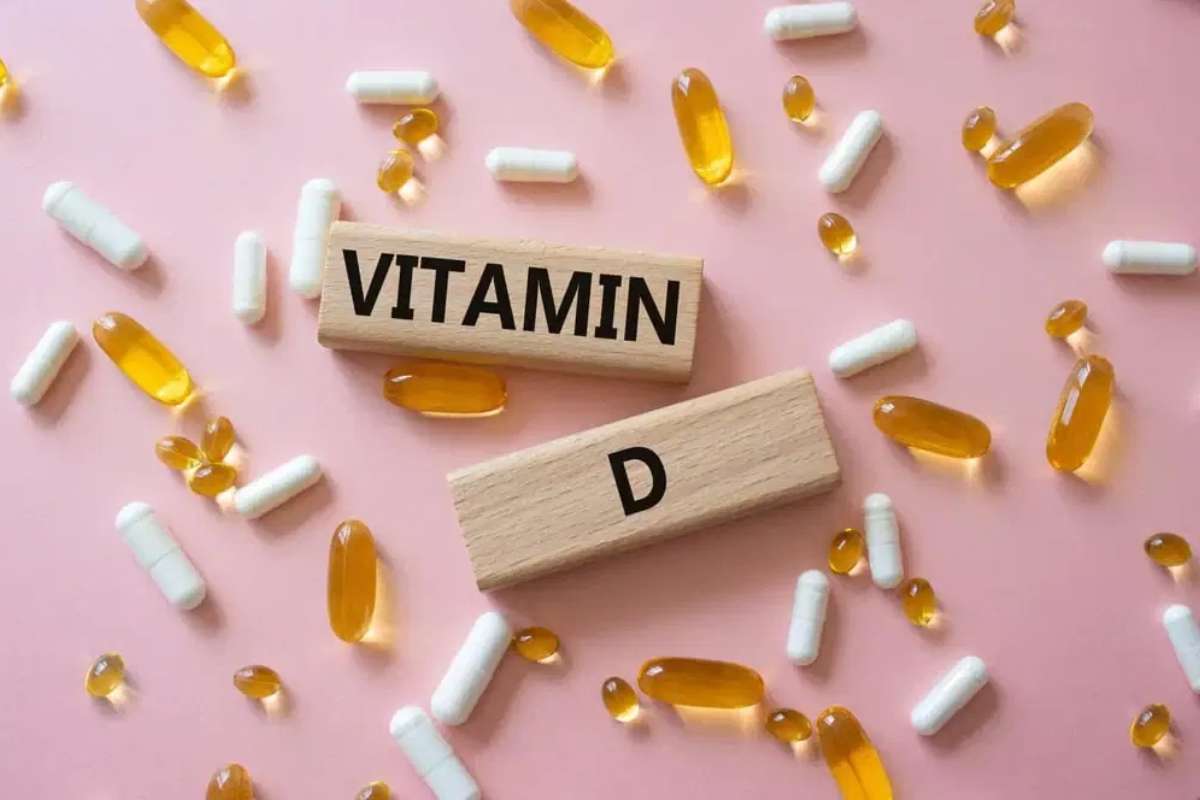
Vitamin D reduces inflammation and protects retinal cells. Sunlight is the main source, while fatty fish, egg yolks, and fortified foods help too. Low vitamin D can increase AMD and dry eye risks. It also supports tear production and eye comfort. Maintaining healthy levels helps prevent chronic eye problems. Vitamin D also helps regulate eye pressure and may protect against glaucoma. Adequate levels improve retinal function and eye resilience.
5. Lutein

Symptoms of Deficiency: Glare sensitivity, poor contrast vision, and faster screen-related eye fatigue can develop.
Lutein filters harmful blue light in the macula and lens. Leafy greens like kale, spinach, and egg yolks are rich in lutein. Without it, eyes struggle to filter light, raising macular degeneration risk. Lutein also reduces glare and improves visual clarity. Daily intake strengthens central vision and eye protection. That is why they are amongst the best eye vitamins. Lutein works with zeaxanthin to prevent oxidative damage in retinal cells. It also supports sharper color perception and contrast sensitivity.
6. Zeaxanthin

Symptoms of Deficiency: Reduced central vision sharpness and discomfort in bright light may be noticed.
Zeaxanthin works with lutein to protect the retina from oxidative stress. Corn, orange peppers, and egg yolks are good sources. Deficiency may weaken macular defense, increasing AMD risk. Zeaxanthin also improves contrast sensitivity and helps see fine details clearly. Regular intake boosts overall eye resilience. It filters high-energy light, which reduces long-term retinal damage. This vitamin can also support central vision in bright light conditions.
7. Omega-3 Fatty Acids

Symptoms of Deficiency: Chronic dry eyes, burning sensations, and blurred vision during screen use are common.
Many consider Omega-3s as some of the best eye vitamins as they nourish the retina and support tear production. Fatty fish like salmon, mackerel, and flaxseeds are rich in omega-3s. Low intake can cause dry eyes, blurred vision, and slow recovery from eye strain. They also support retinal function and reduce inflammation. Regular consumption improves eye comfort and long-term vision. Omega-3s may reduce the risk of AMD and diabetic retinopathy. They also promote healthy blood flow to ocular tissues.
8. Zinc
Symptoms of Deficiency: Night vision problems and slow adjustment to darkness often indicate low zinc levels.
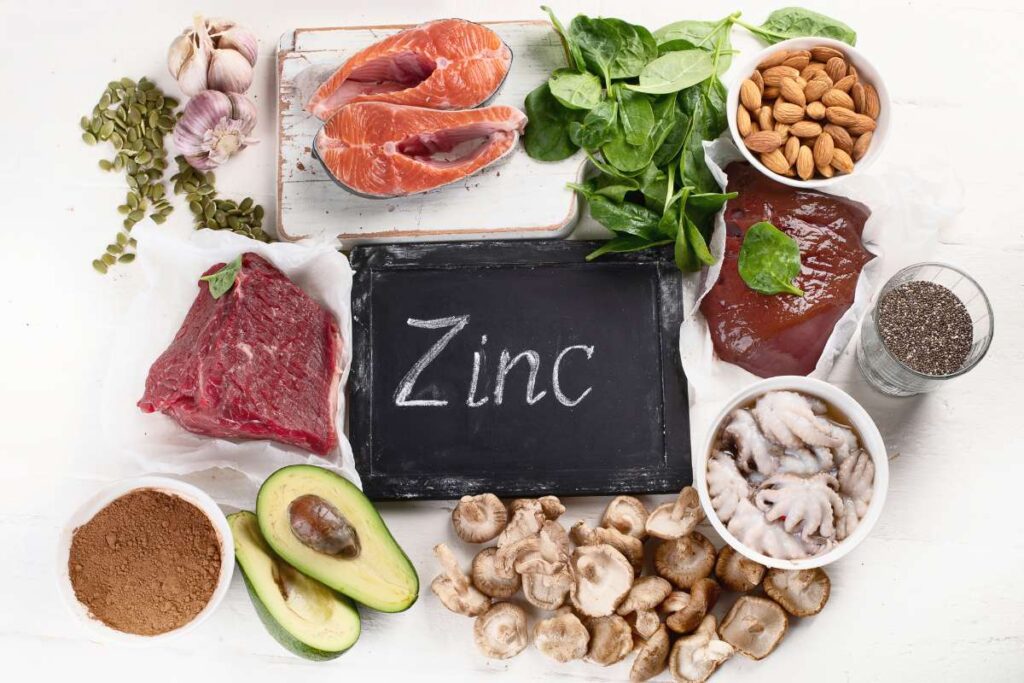
Zinc transports vitamin A to the retina to produce melanin. Meat, shellfish, legumes, and nuts are rich sources. A deficiency can cause night blindness and poor retinal function. Long-term low zinc may contribute to AMD and slow healing. Proper intake ensures eyes receive vital nutrients efficiently. Zinc also supports enzyme function in the retina, helping maintain clear vision. It boosts overall eye immunity and repair mechanisms.
9. Selenium
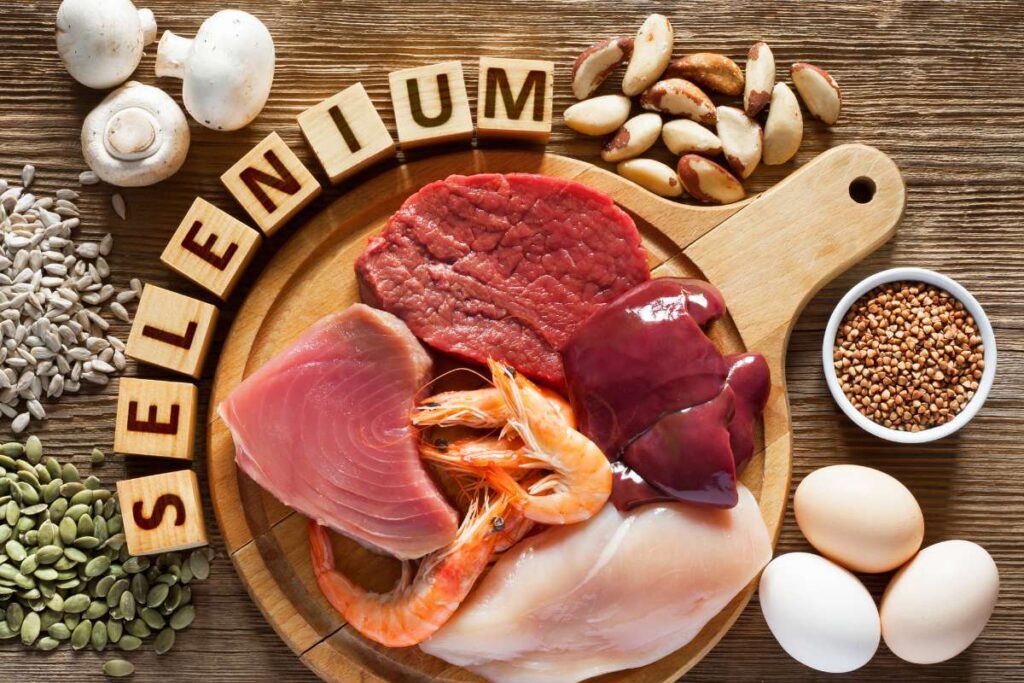
Symptoms of Deficiency: Cloudy vision, eye fatigue, and higher oxidative stress in eye tissues may appear.
Selenium acts as an antioxidant and protects the lens from oxidative damage. Brazil nuts, seafood, and eggs provide selenium. Low selenium levels can raise cataract and retinal degeneration risks. Selenium also enhances the effect of other antioxidants like vitamin E. Adequate intake helps maintain lens clarity and eye strength. It is on this list of best eye vitamins as it reduces inflammation and protects delicate retinal cells. Selenium also supports eye tissue repair after oxidative stress.
10. Beta-Carotene

Symptoms of Deficiency: Dry eyes, poor low-light vision, and increased eye irritation can occur.
Beta-carotene converts into vitamin A in the body. Carrots, pumpkins, and sweet potatoes are excellent sources. Lack of beta-carotene may cause dry eyes and poor night vision. It also supports overall retinal health. Including these foods regularly strengthens vision and eye resilience. Beta-carotene also protects the cornea from oxidative damage. Adequate intake maintains healthy adaptation to low-light conditions.
11. Vitamin B1 (Thiamine)

Symptoms of Deficiency: Blurred vision, eye fatigue, and weak eye coordination may develop.
Thiamine supports nerve function, including the optic nerve. Whole grains, beans, and nuts are rich sources. Low thiamine may lead to blurred vision and eye fatigue. It helps the eyes communicate effectively with the brain. Maintaining adequate intake preserves visual performance. Thiamine also protects against optic nerve damage from chronic stress or poor nutrition. It supports eye muscles and coordination.
12. Vitamin B2 (Riboflavin)

Symptoms of Deficiency: Light sensitivity, burning eyes, and vision strain are common symptoms.
Riboflavin reduces oxidative stress in the lens and prevents cataracts. Milk, eggs, almonds, and leafy greens are good sources. It is one of the best eye vitamins as its deficiency increases lens clouding. Riboflavin also protects cells from light-induced damage. Including it supports long-term eye clarity and comfort. It improves the eyes’ ability to process light and color. Riboflavin also helps prevent dryness and irritation in the cornea.
13. Vitamin B3 (Niacin)

Symptoms of Deficiency: Blurred vision, eye fatigue, and reduced blood flow to the eyes may occur.
Niacin maintains healthy blood vessels in the eyes. Meat, fish, peanuts, and mushrooms provide niacin. Low levels may cause blurred vision and eye fatigue. Niacin also helps reduce inflammation in the retina. Adequate intake supports eye circulation and retinal health. Niacin helps prevent retinal swelling caused by poor circulation. It also supports the health of the optic nerve over time.
14. Vitamin B6 (Pyridoxine)

Symptoms of Deficiency: Blurry vision, eye twitching, and increased visual fatigue can appear.
The talk about the best eye vitamins is complete without Vitamin B6. It supports nerve health and reduces homocysteine buildup. Fish, poultry, bananas, and fortified cereals are rich sources. Deficiency can cause blurred vision and poor nerve function. B6 also contributes to eye comfort and overall retinal stability. Daily intake supports clear vision and nerve function. B6 protects against nerve damage that can affect eye movement. It also aids in producing neurotransmitters for proper visual signaling.
15. Vitamin B9 (Folate)
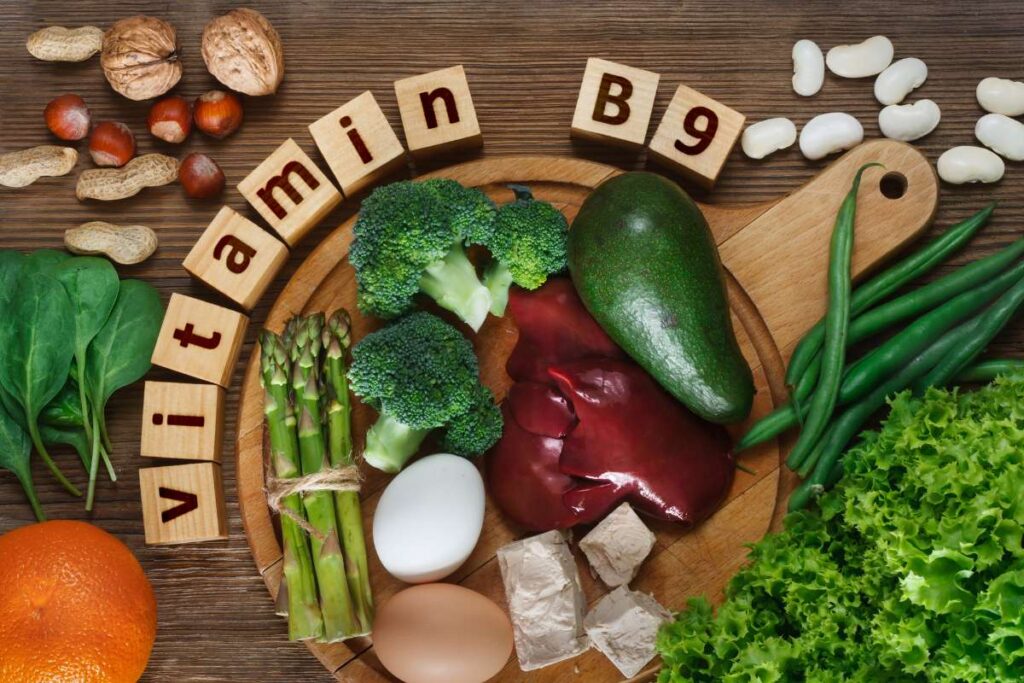
Symptoms of Deficiency: Eye fatigue, weak retinal blood vessels, and vision changes may develop.
Folate promotes healthy blood flow to the retina. Leafy greens, citrus, beans, and lentils provide folate. Low folate may damage retinal vessels and reduce oxygen supply. It also works with other B vitamins to maintain healthy eyes. Adequate folate ensures nutrients reach eye tissues efficiently. Folate helps reduce the risk of retinal hemorrhage and swelling. It also supports the formation of healthy red blood cells for the eyes.
16. Vitamin B12 (Cobalamin)

Symptoms of Deficiency: Blurred vision, optic nerve damage, and visual processing issues may occur
Vitamin B12 protects the optic nerve and nerve tissue in the eyes. Fish, meat, eggs, and dairy are rich sources. Deficiency can cause vision disturbances, optic neuropathy, and eye fatigue. B12 also supports nerve signal transmission to the brain. Maintaining levels preserves sharp and clear vision. It prevents nerve damage that can lead to vision loss. B12 also supports overall retinal health and function.
17. Biotin (Vitamin B7)

Symptoms of Deficiency: Dry eyes, irritation, and general visual fatigue can signal low levels.
Biotin maintains eye tissue and supports overall metabolism. Eggs, nuts, and whole grains are good sources. Rare deficiencies may cause dry eyes and fatigue. Biotin indirectly supports eye health by improving cellular function. Regular intake aids overall eye comfort and resilience. Biotin also contributes to healthy cornea and lens development. It supports nutrient metabolism essential for retinal cells.
Other Ways to Improve Eye Health
Making sure that you are consuming the best eye vitamins is important. But it is not the only solution. There are other ways in which you can maintain your eye health. They can be:
- Regular Eye Exams: Visiting an eye doctor helps detect problems early. Early detection can prevent vision loss. Adults should have exams every 1–2 years. Children and seniors may need more frequent checks.
- Proper Lighting: Work and read in well-lit areas. Bright light reduces eye strain. Avoid glare from screens or lamps. Proper lighting protects the retina.
- Limit Screen Time: Long screen use can cause digital eye strain. Follow the 20-20-20 rule: every 20 minutes, look at something 20 feet away for 20 seconds. This relaxes the eye muscles.
- Wear Sunglasses: UV protection shields the eyes from harmful sunlight. Choose sunglasses that block 100% UVA and UVB rays. Sunglasses reduce the risk of cataracts and macular degeneration.
- Stay Hydrated: Water helps keep eyes moist and prevents dryness. Dehydration can lead to irritation and redness. Drinking enough water supports tear production.
- Exercise Regularly: Physical activity improves blood flow to the eyes. It helps deliver oxygen and nutrients efficiently. Exercise also reduces the risk of chronic diseases that affect vision.
- Avoid Smoking: Smoking increases oxidative stress in the eyes. It raises the risk of cataracts, AMD, and optic nerve damage. Quitting smoking protects both eyes and overall health.
Also Read: The Best Vitamins for Kidney Health: What Your Kidneys Really Need
Conclusion:
Taking care of your eyes often comes down to small, steady choices. Nutrition supports vision in ways that daily habits alone sometimes cannot. The best eye vitamins can help fill common nutrient gaps and support long-term eye comfort when used consistently. They work best alongside regular eye exams, balanced meals, and mindful screen use. Together, these steps create a practical approach to protecting your eyesight over time.
FAQ
1. What are the best eye vitamins made of?
Most vitamins include A, C, E, zinc, lutein, and zeaxanthin. These nutrients support eye health and help protect against oxidative stress.
2. Can Best Eye Vitamins improve eyesight?
They do not cure vision problems. They support eye health and may slow certain age-related changes when used regularly.
3. How long does it take to see results?
Benefits usually appear gradually over weeks or months. Consistency matters more than quick results