Even though we spend almost half of our waking hours in front of screens, we rarely consider how aging and digital strain impact our vision. Until it becomes blurry. Millions of people suffer from age-related eye disorders. So safeguarding your vision is now necessary rather than optional. Thankfully, the first line of defense is your kitchen.
Your diet is essential for preserving the integrity of your eyes and preventing diseases like macular degeneration, according to the American Academy of Ophthalmology. The most effective foods for eye health are examined in this guide. It also breaks down the vital nutrients from lutein to omega-3s. And offers dietary changes supported by science to maintain your vision for many years to come.
Why Diet Matters for Your Eyes? Key Eye-Health Nutrients
Your eyes are metabolic powerhouses. To preserve structural integrity and process light, the retina and macula need constant nourishment. Age-related macular degeneration is considerably less likely when sensitive ocular tissues are protected from oxidative stress and chronic inflammation. It is done with the help of a diet high in antioxidants and essential fatty acids. A heart-healthy diet guarantees strong blood flow. Because the eyes depend on a complicated network of tiny capillaries. This shows that protecting your cardiovascular system is just as important for maintaining your vision.
Key Eye-Health Nutrients (With Science)
These nutrients are clinically recognized for their role in maintaining ocular structure. They also help in preventing long-term vision loss:
➛ Vitamin A & Beta-Carotene: Crucial for maintaining a clear cornea and producing rhodopsin. It is a protein that allows you to see in low-light conditions. (Sources: Carrots, sweet potatoes)
➛ Lutein & Zeaxanthin: These carotenoids act as a “natural sunblock” for the eyes, filtering harmful blue light. And it protects the macula from oxidative damage. (Sources: Kale, spinach, egg yolks)
➛ Vitamin C: A potent antioxidant that supports the health of ocular blood vessels. It may lower the risk of developing cataracts. (Sources: Oranges, bell peppers, strawberries)
➛ Vitamin E: Protects fatty acids in the eye from free radical damage. It also helps to safeguard cell membranes against age-related degradation. (Sources: Almonds, sunflower seeds, olives)
➛ Omega-3 Fatty Acids: Vital for retinal development and maintaining the tear film. This is essential for preventing dry eye syndrome. (Sources: Salmon, sardines, walnuts)
➛ Zinc: Facilitates the transport of Vitamin A from the liver to the retina to produce melanin. This is a protective pigment in the eyes. (Sources: Oysters, lean red meat, legumes)
Here are the 17 Best Foods for Eye Health:
A diet rich in variety ensures your eyes receive a diverse spectrum of protective antioxidants, essential minerals, and healthy fats that support everything from clear corneas to sharp retinal function. Here is a compiled list of foods for eye health:
➤ Vegetables & Greens
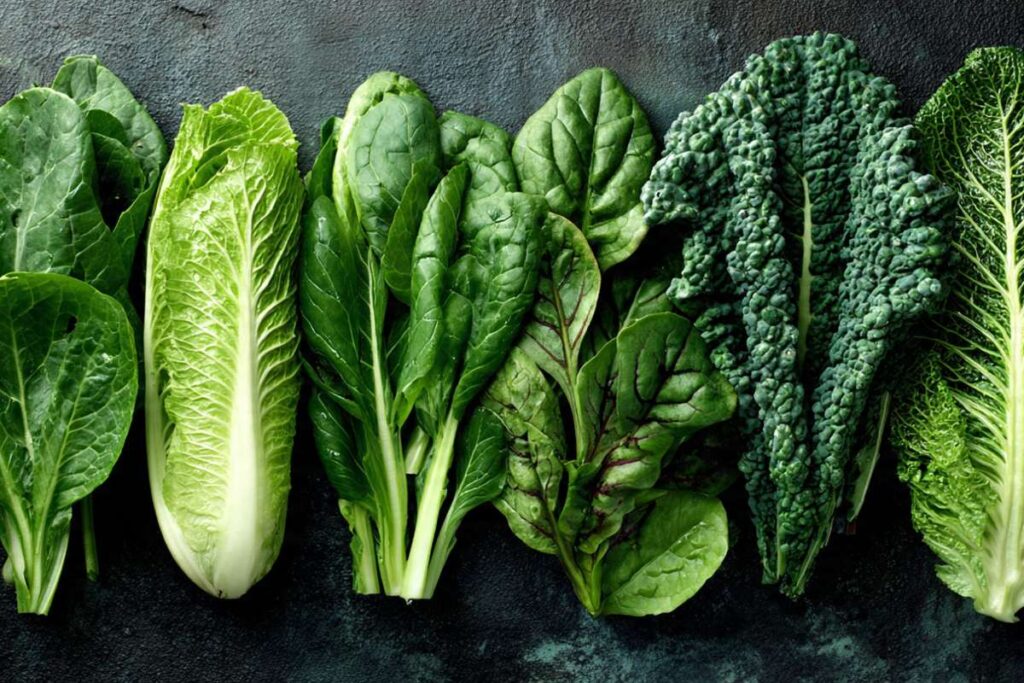
1. Spinach:
- Nutrients: Rich in Lutein and Zeaxanthin.
- Benefits: Acts as a “natural sunblock,” filtering harmful blue light and defending the macula against age-related degeneration.
Spinach is one of the most powerful Foods for Eye Health because it is packed with lutein and zeaxanthin. These two antioxidants act like natural sunglasses for your eyes. They help filter harmful blue light from screens and sunlight, reducing strain and long-term damage. Eating spinach regularly may also lower the risk of age-related macular degeneration and cataracts. You can add it easily to salads, smoothies, soups, or lightly sauté it for maximum nutrient absorption.
2. Kale:
- Nutrients: High in Carotenoids and Vitamin C.
- Benefits: Boosts retinal strength and provides three times more Vitamin C than most other greens to protect eye blood vessels.
Kale is another leafy green that delivers a serious nutrition boost to your eyes. It contains high levels of carotenoids, which protect the retina, along with vitamin C that strengthens blood vessels in the eyes. Kale also supports overall eye tissue repair and immune health. Including kale a few times a week is a smart move if you spend long hours on screens.
3. Broccoli & Brussels Sprouts:
- Nutrients: Vitamins A, C, E, and Lutein.
- Benefits: A multi-antioxidant defense system that protects ocular cells from free radical damage and improves night vision.
Broccoli and Brussels sprouts are often underrated, but they provide a mix of vitamins A, C, and E—all essential for eye protection. These vegetables help fight oxidative stress that can slowly damage eye cells. Their combination of antioxidants makes them reliable Foods for Eye Health, especially for preventing age-related vision problems.
4. Bell Peppers:
- Nutrients: Exceptional source of Vitamin C.
- Benefits: Helps maintain the health of blood vessels in the eye and may lower the risk of developing cataracts.
Bell peppers, especially red and yellow ones, are loaded with vitamin C. This vitamin supports collagen production, which helps maintain the structure of the cornea. Bell peppers also improve blood flow to the eyes, keeping them well-nourished. Since vitamin C is water-soluble, eating fresh peppers is one of the best ways to get its full benefit.
5. Carrots:
- Nutrients: Beta-carotene (Vitamin A) and Lutein.
- Benefits: Essential for maintaining a clear cornea and increasing pigment density in the macula to protect the retina.
Carrots are famous for eye health for good reason. They contain beta-carotene, which the body converts into vitamin A. Vitamin A is essential for night vision and helps prevent dry eyes. Without enough of it, the eyes struggle to adjust in low light. Carrots remain one of the most accessible Foods for Eye Health across all age groups.
6. Sweet Potatoes:
- Nutrients: Higher Beta-carotene levels than carrots; Vitamin A.
- Benefits: Prevents night blindness and dry eyes by supporting moisture levels in the ocular membrane.
Sweet potatoes actually contain more vitamin A than carrots. They support the retina and help maintain a healthy cornea. Their slow-release carbohydrates also help stabilize blood sugar, which indirectly protects the eye nerves, especially important for people with diabetes.
➤ Fruits
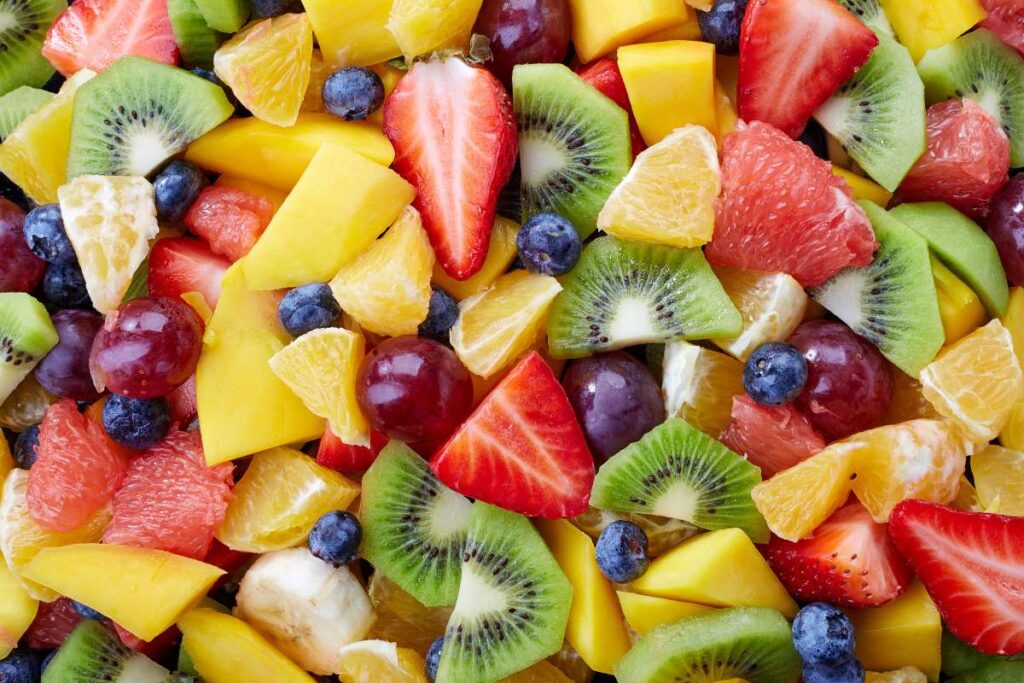
7. Citrus (Oranges, Grapefruit):
- Nutrients: High Vitamin C.
- Benefits: Vital for the function of retinal cells and promotes collagen production within the cornea.
Citrus fruits are rich in vitamin C, which plays a key role in protecting the eyes from oxidative damage. Regular intake may reduce the risk of cataracts and slow vision decline with age. These fruits are refreshing, hydrating, and easy to add to daily meals.
8. Blueberries & Berries:
- Nutrients: Anthocyanins and Vitamin C.
- Benefits: Improves blood flow to the eyes and reduces oxidative stress, lowering the risk of cataracts.
Berries contain anthocyanins, powerful compounds that support night vision and reduce eye fatigue. They also help improve blood circulation to the eyes, making them excellent for people who experience digital eye strain.
9. Papaya & Cantaloupe:
- Nutrients: Beta-carotene and Zeaxanthin.
- Benefits: Filters blue light and supports wound healing of the eye surface while providing necessary hydration.
These fruits provide beta-carotene along with high water content. Hydration is essential for tear production, which prevents dry and irritated eyes. Including these fruits supports both vision and overall eye comfort.
Also Read:
- High-Protein Vegetables and Fruits: Nutrient-Packed Recipes to Boost Your Diet
- Food That Loves Your Face: 10 Best Foods for Healthy & Glowing Skin
➤ Protein & Healthy Fats
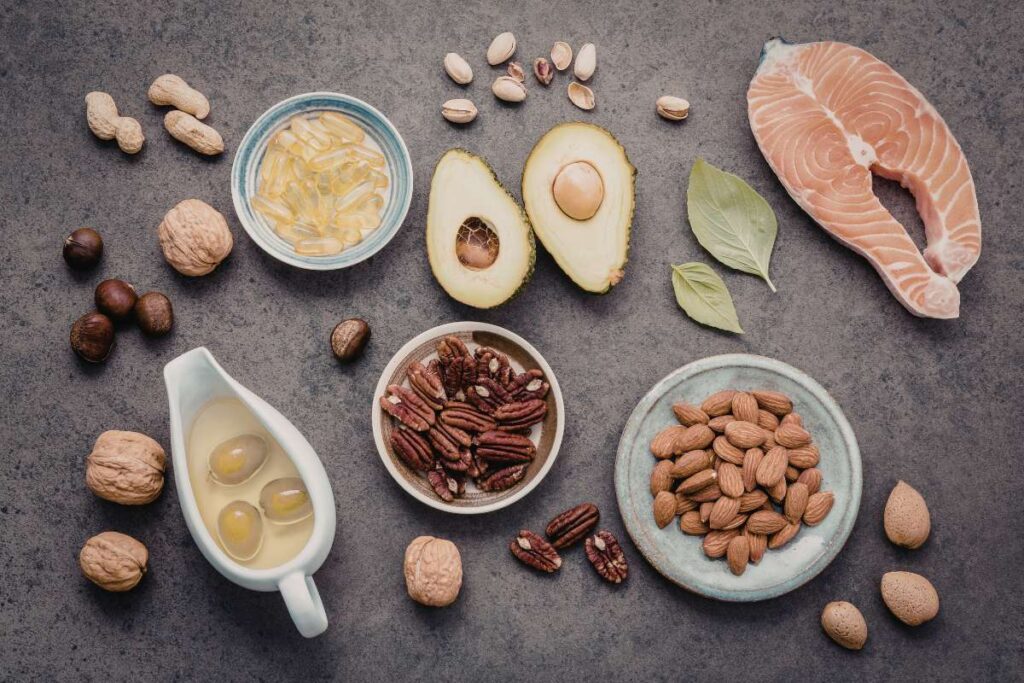
10. Salmon & Fatty Fish:
- Nutrients: Omega-3 Fatty Acids (DHA/EPA), Vitamin D, and Niacin.
- Benefits: Supports the formation of photoreceptors in the retina and is the primary defense against dry eye syndrome.
Fatty fish like salmon are among the most scientifically supported Foods for Eye Health. They are rich in omega-3 fatty acids (DHA and EPA), which are crucial for retinal function. Omega-3s help reduce dry eye symptoms and support sharp vision.
11. Eggs:
- Nutrients: Lutein, Zeaxanthin, Zinc, and Vitamin A.
- Benefits: Zinc helps transport Vitamin A from the liver to the retina to create melanin, a protective pigment for the eyes.
Eggs are unique because their fats help the body absorb lutein and zeaxanthin more efficiently. They also contain zinc, which helps transport vitamin A to the retina. This makes eggs a highly practical eye-supporting food.
12. Almonds & Walnuts:
- Nutrients: Vitamin E and Omega-3 plant fats.
- Benefits: Protects eye cells from oxidative stress and helps maintain the structural integrity of eye membranes.
Nuts provide vitamin E, which protects eye cells from damage caused by aging. Walnuts also add plant-based omega-3s, making them excellent daily snacks for long-term vision support.
13. Chia & Flax Seeds:
- Nutrients: Plant-based Omega-3s and fiber.
- Benefits: Reduces ocular inflammation and supports healthy tear film production to manage glaucoma and dry eye symptoms.
These seeds support eye lubrication and reduce inflammation. Their fiber content also helps regulate blood sugar, indirectly protecting the eye nerves and blood vessels.
➤ Legumes & Whole Grains
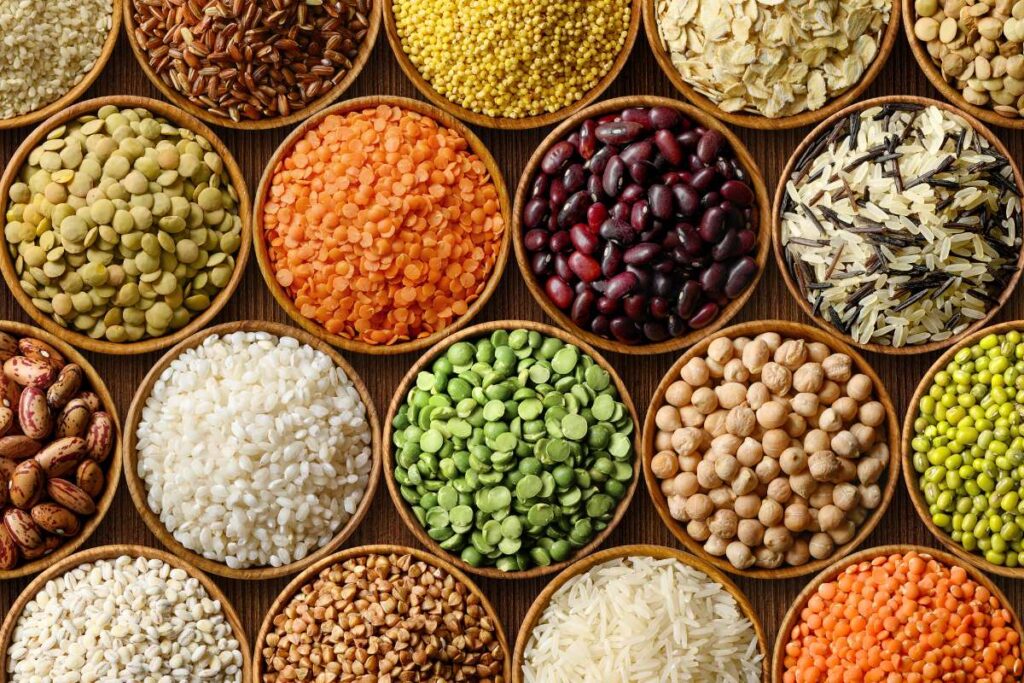
14. Beans & Lentils:
- Nutrients: High Zinc and Bioflavonoids.
- Benefits: Assists in the production of melanin to protect the retina and can reduce night blindness.
Beans and lentils are rich in zinc, a mineral essential for night vision and retinal health. Stable blood sugar levels also reduce the risk of eye complications, making legumes an important part of Foods for Eye Health.
15. Quinoa / Brown Rice:
- Nutrients: Vitamin E, Niacin, and Zinc.
- Benefits: Low glycemic index prevents blood sugar spikes that can damage the small blood vessels in the retina (Diabetic Retinopathy).
Whole grains prevent sudden spikes in blood sugar, which can damage small blood vessels in the eyes. Choosing whole grains supports long-term eye function and overall health.
➤ Specialty Picks
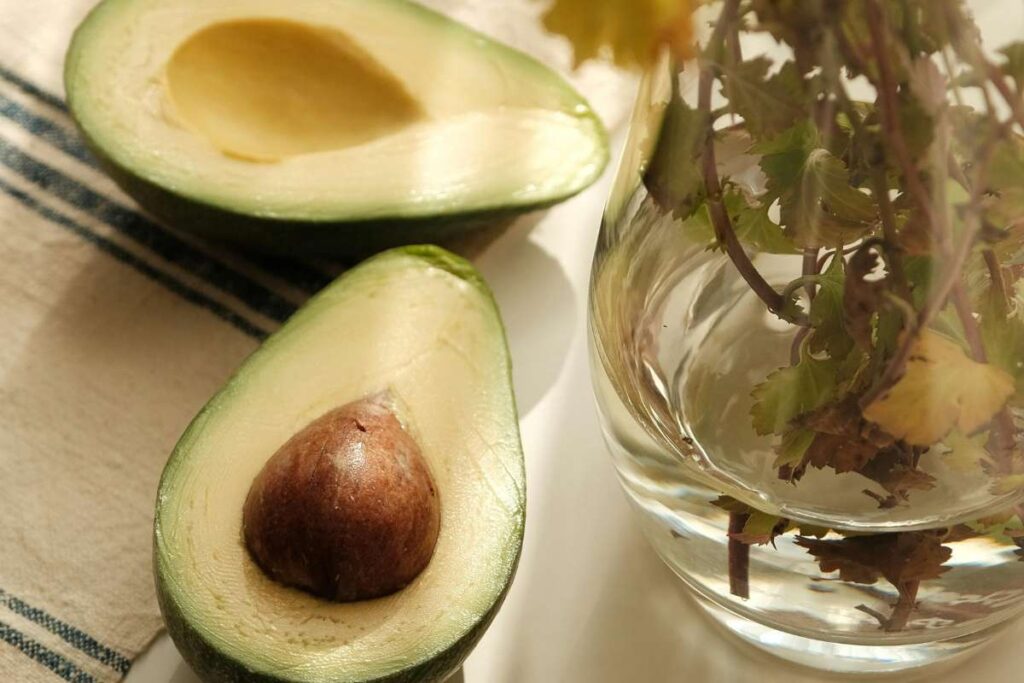
16. Avocado:
- Nutrients: Monounsaturated Fatty Acids, Lutein, and Vitamin E.
- Benefits: The healthy fats significantly improve your body’s ability to absorb fat-soluble nutrients like Vitamin A from other vegetables.
Avocados help the body absorb fat-soluble nutrients like lutein and vitamin A. Their healthy fats also support tear production and eye moisture.
17. Water:
- Nutrients: Pure Hydration.
- Benefits: Essential for maintaining adequate tear volume and flushing toxins to prevent irritation and digital eye strain.
Proper hydration is often overlooked but essential. Water helps maintain tear balance and prevents dryness, irritation, and eye fatigue. No list of Foods for Eye Health is complete without adequate daily water intake.
Also Read:
- The Bear-Approved Guide to High-Fiber Foods with No Carbs
- Forget Brain Fog: Try These 10 Best Herbs for Memory and Brain Health
How to Build an Eye Health Plate?
Constructing a vision-boosting menu is simple when you focus on color and healthy fats. Aim for a plate that is 50% colorful vegetables. This helps to maximize antioxidant intake.
- Breakfast: A vibrant smoothie bowl featuring blueberries, spinach, and chia seeds for a surge of lutein and omega-3s.
- Lunch: A salmon salad topped with kale, bell peppers, and a citrus dressing to enhance Vitamin C and DHA absorption.
- Dinner: Grilled fish served with steamed broccoli and quinoa for a zinc-rich, low-glycemic finish.
- Snack: A handful of walnuts or carrot sticks with hummus to keep Vitamin A and E levels steady throughout the day.
| Meal | Example Menu | Key Nutrients |
| Breakfast | Smoothie bowl with berries, spinach, and chia seeds | Lutein, Zeaxanthin, Anthocyanins, Omega-3s |
| Lunch | Salmon salad with kale, bell peppers, and citrus dressing | Vitamin C, DHA/EPA (Omega-3s), Carotenoids |
| Dinner | Grilled fish with steamed broccoli and quinoa | Zinc, Vitamin A, Vitamin E, Low-GI Carbs |
| Snacks | Walnuts or carrot sticks with hummus | Vitamin E, Beta-carotene, Plant Proteins |
Foods to Limit for Optimal Eye Health:
To fully benefit from foods for eye health, it is equally important to minimize items that trigger ocular stress and inflammation.
- High-Sugar & Processed Foods: Excessive sugar can lead to systemic inflammation and damage the delicate blood vessels in the retina, increasing the risk of diabetic retinopathy and AMD.
- High-Salt Foods: Sodium-heavy diets lead to fluid retention and dehydration, which can exacerbate dry-eye symptoms and may contribute to increased intraocular pressure.
- Excessive Alcohol: Heavy consumption interferes with the liver’s ability to store and transport Vitamin A, while also depleting the body of antioxidants vital for retinal protection.
Conclusion:
Even though your eyesight is one of your most vital assets. We frequently take it for granted until it breaks down. The ability to protect your vision is right on your dinner plate. Regardless, aging and heredity play a part. You give your eyes the biological resources they require to endure stress and illness. You can do so by regularly consuming nutrient-dense foods for eye health. Such as leafy greens and fish high in omega-3 fatty acids. To guarantee a clearer, brighter tomorrow. So, start nourishing your vision now rather than waiting for blurriness to occur.
FAQ:
1. Do foods really improve eyesight?
Foods cannot cure vision problems like refractive errors. But foods for eye health can significantly reduce the risk of eye diseases. Such as cataracts, age-related macular degeneration, and dry eyes. They also help maintain eye comfort, clarity, and overall visual performance.
2. Are carrots really good for your eyes?
Yes, carrots are beneficial. Because they contain beta-carotene, which the body converts into vitamin A. Vitamin A is essential for night vision and preventing dry eyes. However, carrots work best when combined with other eye-friendly foods rather than eaten alone.
3. Are supplements better than food for eye health?
Whole foods are generally better. Because they provide a natural combination of nutrients that work together. Supplements may be helpful for people with deficiencies or specific conditions. But they should not replace a balanced diet. Unless advised by an eye-care professional.