Key Points:
- The Washington Post, owned by Jeff Bezos, is cutting about one-third of its workforce in a major restructuring.
- Layoffs span editorial and operational teams, with several long-standing sections reduced or shut down.
- The paper will narrow its focus to U.S. politics, governance, and accountability reporting amid financial strain.
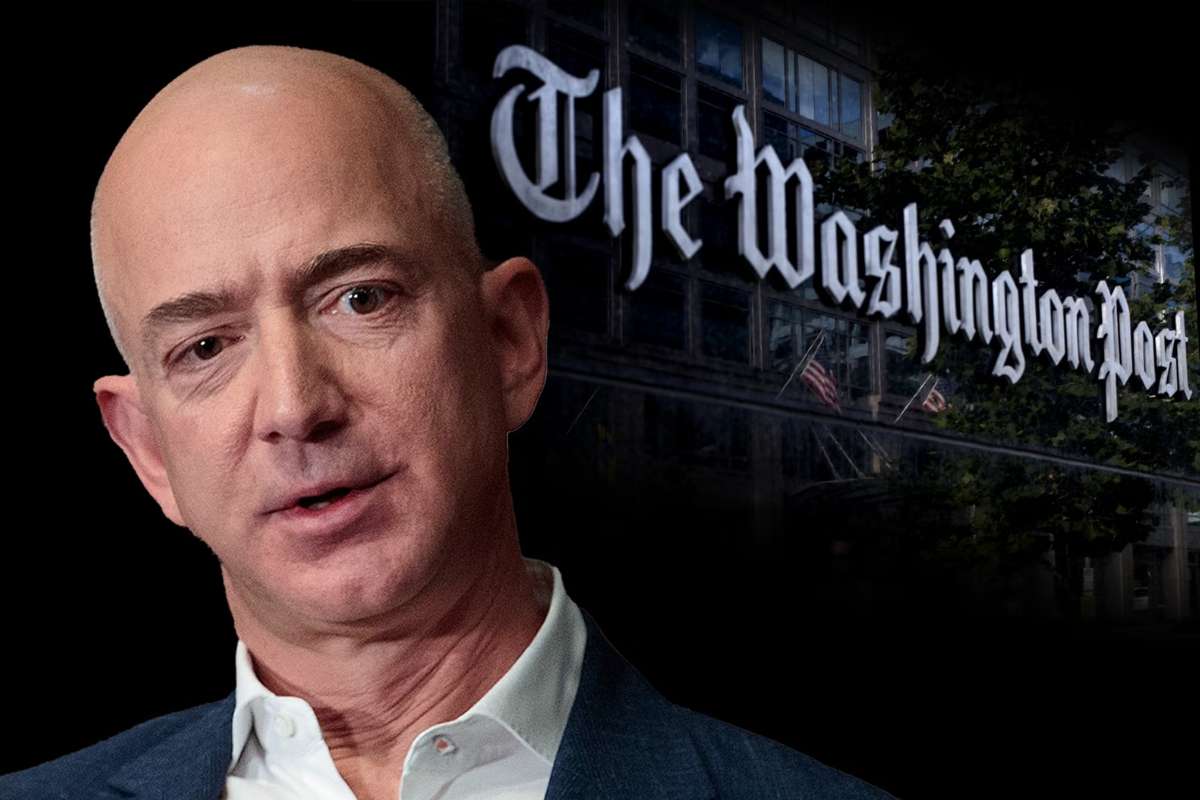
The Washington Post, owned by Amazon founder Jeff Bezos, has announced a sweeping round of layoffs, eliminating roughly one-third of its workforce in a move that signals one of the most significant restructurings in the newspaper’s modern history. The decision was communicated to employees on February 4, following internal messages instructing staff to work remotely ahead of a company-wide virtual meeting.
The Washington Post Layoffs affect a broad range of editorial and operational teams, cutting across newsroom desks, production units, and administrative functions. Several long-established sections, including sports and books coverage, are being shut down or sharply reduced, while parts of the paper’s international reporting footprint are also being scaled back. Leadership described the changes as essential to reposition the organisation amid shifting reader behaviour and sustained financial pressure across the media industry.
Executive Editor Matt Murray addressed employees during the internal briefing, acknowledging the emotional toll of the decision and calling it one of the most difficult moments in the newsroom’s recent history. He said the reductions were aimed at ensuring long-term stability while preserving the paper’s most impactful journalism.
Financial Strain and Editorial Transformation
The Washington Post Layoffs come as the Washington Post grapples with declining digital subscriptions, softer advertising revenue, and intensifying competition from digital-native media platforms. Despite its reputation as one of the world’s most influential news organisations, the paper has struggled to translate scale and prestige into sustainable growth in a rapidly evolving digital landscape.
Under Jeff Bezos’ ownership, the Post has undergone notable editorial and strategic shifts over the past several years. These have included changes in leadership, a reassessment of opinion coverage, and an increased emphasis on operational efficiency and profitability. Some of these moves have sparked internal debate and public criticism, particularly from longtime journalists and readers concerned about the narrowing of coverage and the erosion of institutional identity.
Former senior editors and media observers have warned that reducing newsroom capacity at this scale risks undermining the paper’s ability to provide comprehensive reporting across culture, international affairs, and public interest journalism. While management has emphasised that quality and standards will remain intact, the Washington Post Layoffs have intensified questions about how much journalism can be sustained with fewer reporters and editors.
A Narrower Focus for the Future
Going forward, the Washington Post plans to concentrate its resources on coverage areas it views as strategically essential, including U.S. politics, national governance, accountability reporting, and security-related journalism. Leadership has signalled a shift toward prioritising depth and focus over breadth, with leaner teams expected to deliver high-impact reporting for core audiences.
The restructuring has also reignited wider conversations across the media industry about the sustainability of large legacy newsrooms, the role of private ownership in journalism, and the long-term effects of cost-cutting on editorial independence. As artificial intelligence, platform-driven distribution, and shifting consumption habits continue to reshape how news is produced and consumed, even the most established institutions are being compelled to reconsider their long-standing models.
For the Washington Post, the layoffs represent both a moment of reckoning and an attempt at reinvention. Whether the changes will secure the paper’s future or mark the beginning of a more prolonged contraction remains uncertain, but the impact of this decision will be felt well beyond the newsroom.