Key Points:
- Amazon plans a record $200B investment in AI, cloud, chips, robotics, and satellites starting in 2026.
- The market shows caution as revenue beats but earnings and outlook miss expectations.
- AI push reshapes workforce, with automation and new skill demands driving structural change.
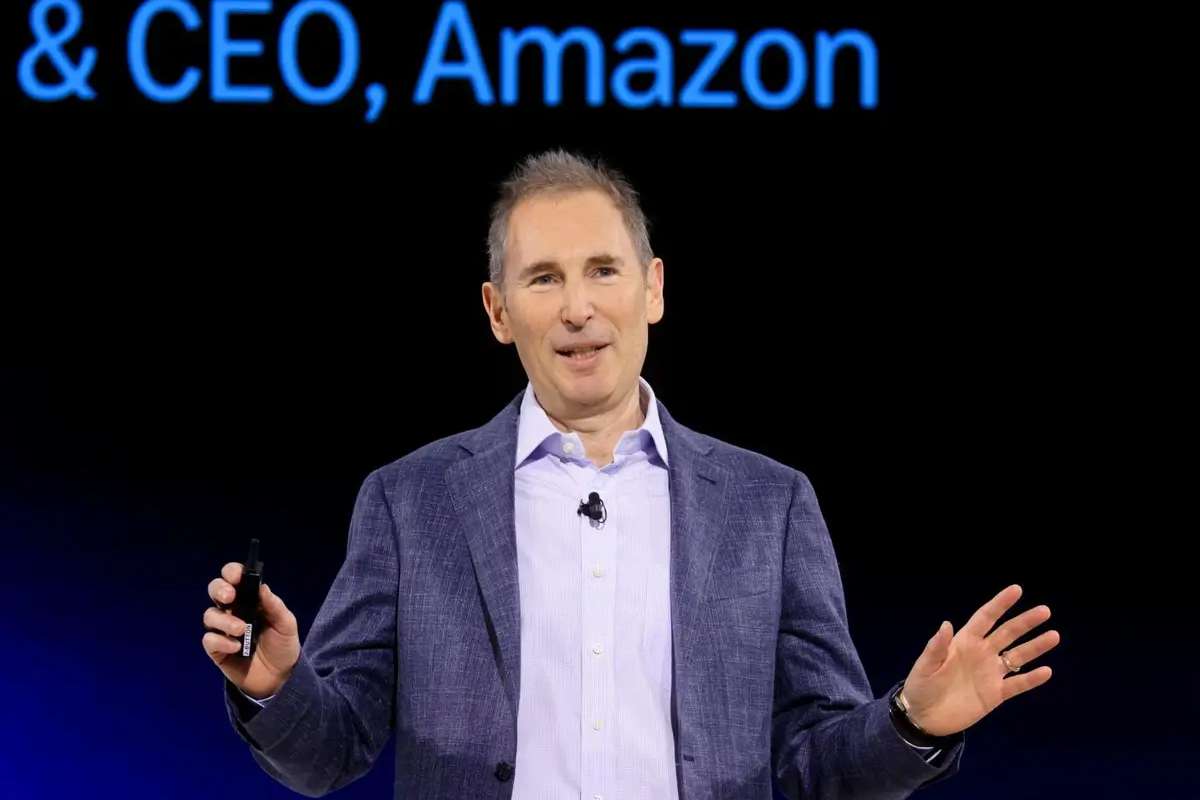
Amazon has outlined plans to significantly ramp up capital expenditure in 2026, committing close to $200 billion toward artificial intelligence, cloud infrastructure, advanced chips, robotics, and satellite technology. The move marks one of the largest investment pushes in the company’s history and underscores CEO Andy Jassy’s belief that AI represents a rare, transformational opportunity for long-term growth.
Speaking during the company’s latest earnings discussion, Andy Jassy described artificial intelligence as a foundational shift comparable to the early days of cloud computing. Much of the planned spending will be directed toward strengthening Amazon Web Services, which continues to serve as the company’s primary growth engine. Expanded data centers, custom AI chips, and next-generation computing capacity are expected to play a central role in supporting enterprise demand for generative AI tools and services.
The scale of the investment sharply exceeds Amazon’s previous capital spending levels, signaling a decisive strategic pivot toward building the infrastructure needed to dominate the next phase of digital innovation. While the initiative is designed to secure Amazon’s competitive edge for years to come, it also places near-term pressure on margins and cash flow.
Market Response Reflects Caution Despite Solid Revenue Growth
Amazon’s CEO, Andy Jassy, announcement came alongside a mixed quarterly performance. The company reported stronger-than-expected revenue, driven by steady consumer demand and continued expansion of AWS. However, earnings narrowly missed market expectations, and the company’s outlook for operating income in the upcoming quarter fell short of analyst forecasts.
Investors reacted cautiously to the aggressive spending plans, with concerns centered on how quickly the massive investment will translate into measurable returns. The sheer size of the proposed capital outlay raised questions about profitability in the near term, particularly as global economic conditions remain uncertain and technology costs continue to rise.
Despite the market reaction, Amazon leadership has emphasized that the investment strategy prioritizes durability over short-term financial optics. The company views the current phase as a necessary build-out period, positioning itself to meet future demand for AI-powered services across retail, cloud computing, logistics, and digital media.
AI Push Brings Operational Shifts and Workforce Implications
Beyond infrastructure, Amazon’s AI strategy is also reshaping how work is done inside the company. Andy Jassy has acknowledged that as AI systems become more capable, certain corporate roles may evolve or diminish over time. Automation and generative tools are expected to take on tasks that were previously manual, leading to structural changes across teams.
Employees have been encouraged to develop AI-related skills and adapt to new workflows, with leadership stressing that future opportunities will favor those who can work alongside intelligent systems. This approach reflects a broader transformation underway across the technology sector, where efficiency gains and productivity improvements are increasingly driven by AI adoption.
While the transition may bring short-term disruption, Amazon believes the combination of large-scale investment and workforce adaptation will strengthen its long-term position. As the company doubles down on artificial intelligence, it is making a clear statement: sustained leadership in the next technological wave requires bold spending today, even at the cost of near-term uncertainty.