Key Points:
- Washington Post CEO Will Lewis resigns after major newsroom layoffs.
- Over 300 jobs cut, sparking union backlash and concerns about editorial capacity.
- CFO Jeff D’Onofrio steps in as interim CEO to steer restructuring.
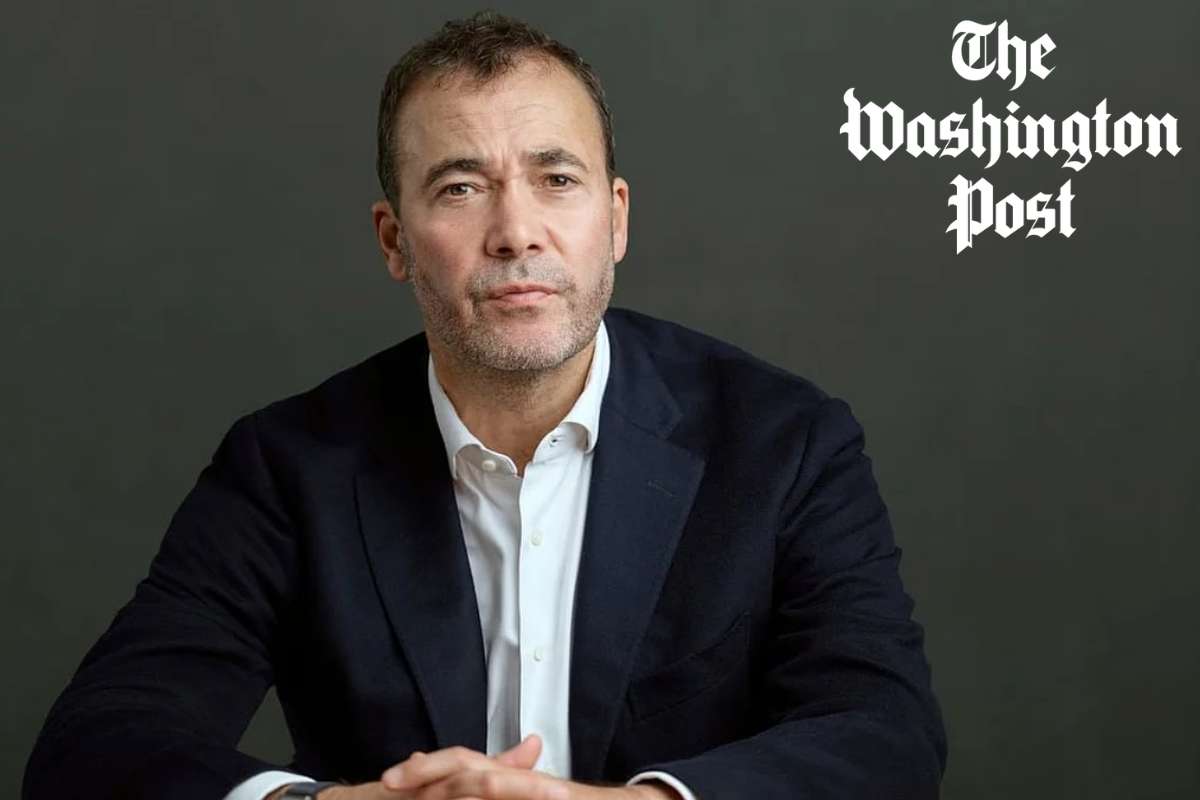
Will Lewis has stepped down as publisher and chief executive officer of The Washington Post, marking a dramatic leadership shift at one of the United States’ most influential newspapers. The resignation comes just days after the publication announced sweeping layoffs that eliminated roughly one-third of its newsroom, triggering backlash from journalists, unions, and media observers.
Will Lewis informed staff of his decision in a brief internal message, stating that it was the “right time to step aside” following an intense period of change. His departure caps a tumultuous week for the paper, which cut more than 300 newsroom jobs and significantly scaled back coverage areas, including sports, books, photography, and some international reporting. The reductions were described internally as necessary to stabilize the paper’s finances amid declining advertising revenue and subscriber growth.
The layoffs were among the largest in the newspaper’s long history and immediately raised concerns about the Post’s journalistic capacity and long-term editorial direction. Union representatives criticized the cuts as excessive and argued that newsroom staff were bearing the cost of leadership missteps and strategic uncertainty.
Interim Leadership Takes Over
Following Will Lewis’s resignation, the Post appointed its chief financial officer, Jeff D’Onofrio, as interim publisher and CEO. D’Onofrio, who joined the company in 2025, now assumes responsibility for navigating the publication through financial restructuring while maintaining its journalistic standards.
In a message to employees, D’Onofrio acknowledged the difficulty of the moment, describing the transition as another chapter in a challenging period of change. He emphasized the need to strengthen the organization’s business fundamentals while continuing to invest in impactful reporting.
Owner Jeff Bezos also addressed staff, expressing confidence in the newspaper’s future and in its leadership team. While his remarks focused on long-term growth and resilience, they underscored the pressure facing legacy media outlets to adapt to shifting audience habits, rising costs, and a highly competitive digital news environment.
The leadership transition is expected to be temporary as the company evaluates its next steps, though no timeline has been announced for a permanent appointment.
A Contested Tenure and Broader Industry Pressures
Will Lewis’s tenure at The Washington Post, which began in early 2024, was marked by internal tension and controversial strategic decisions. Efforts to restructure the newsroom and rethink editorial priorities sparked resistance from staff, while broader changes to the paper’s approach to political coverage reportedly contributed to subscriber losses.
Critics argue that the recent layoffs reflect deeper challenges in balancing profitability with the Post’s long-standing reputation for investigative journalism and comprehensive national coverage. Supporters of the restructuring, however, maintain that difficult decisions were unavoidable as traditional media organizations confront declining revenues and changing reader behavior.
The episode highlights the broader crisis facing legacy newsrooms worldwide, where financial sustainability often clashes with editorial ambition. As interim leadership takes charge, the future direction of The Washington Post and its ability to rebuild trust within its newsroom remains under scrutiny.