Key Takeaways:
- Direct Sales Impact: The Iran conflict reduced LVMH’s first-quarter sales by 1%, primarily through lost revenue in the Gulf and fewer tourists in Europe.
- Middle East Retail Slump: Foot traffic in major luxury hubs like Dubai has plummeted by 30% to 50%, with some locations seeing drops as high as 70%.
- Investor Uncertainty: LVMH shares have fallen 26% this year as shareholders weigh the “unpredictable consequences” of a potential global escalation.
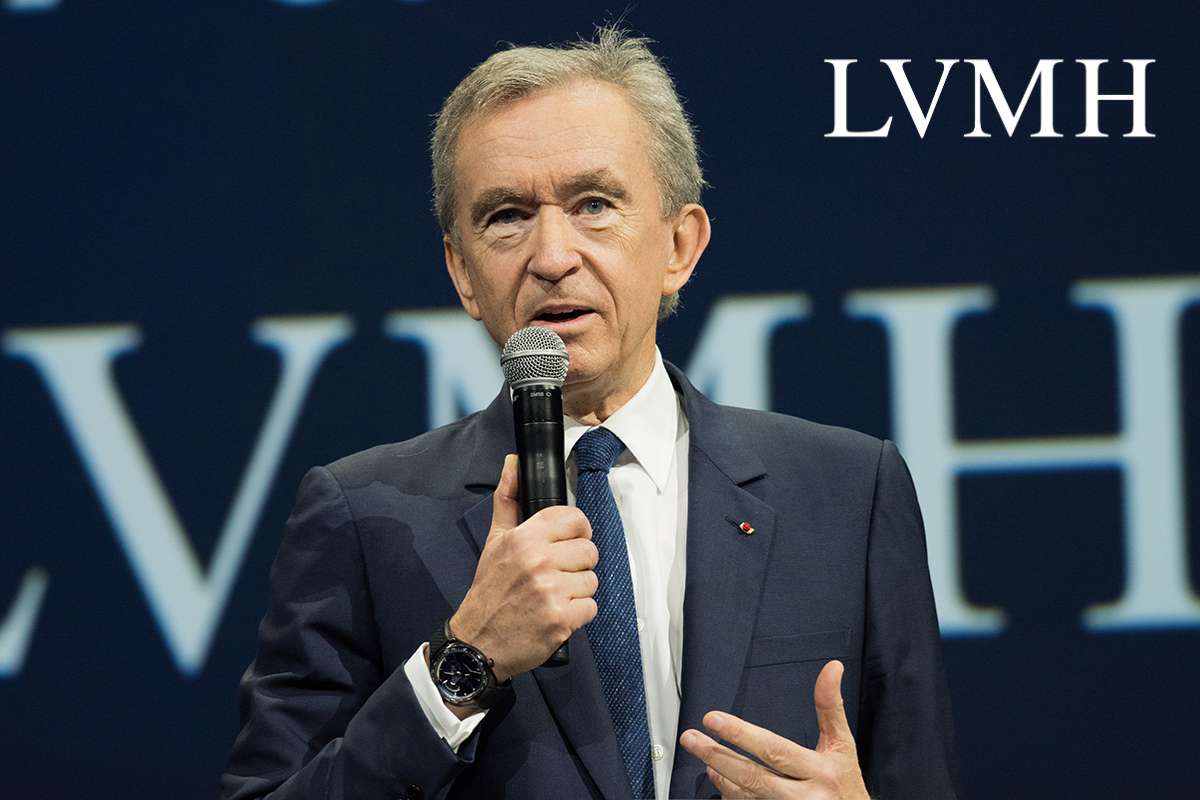
LVMH CEO Bernard Arnault said Thursday the group’s return to growth depends on how the Middle East crisis unfolds, citing a roughly 1% hit to first-quarter sales from the Iran conflict.
Bernard Arnault Warns Crisis Will Shape Luxury Demand
Bernard Arnault told shareholders at LVMH’s annual meeting in Paris that geopolitical instability is weighing heavily on the global luxury market. He said the company’s recovery prospects remain uncertain as tensions in the Middle East continue.
“You will have noticed that the world is now in a very serious crisis in the Middle East,” Arnault said. “It all depends on how this crisis unfolds.”
The luxury sector, which has faced nearly three years of slowing growth, is particularly sensitive to global travel patterns and consumer confidence. Analysts say instability in key regions often leads to reduced discretionary spending.
Sales Hit by Declining Tourism and Gulf Slowdown
Earlier this month, LVMH reported that the Iran conflict shaved at least 1% off its total group sales in the first quarter of 2026. The company attributed the decline to reduced tourist flows to Europe and weaker demand in Gulf countries.
Luxury retail hubs in the region have seen sharp declines in foot traffic. Industry estimates show mall visits in cities such as Dubai dropping between 30% and 50%, with some locations reporting declines as steep as 70%.
“The impact is immediate when tourism slows,” said a Paris-based luxury analyst, who was not authorized to speak publicly. “Luxury brands rely heavily on international shoppers, especially from high-spending regions.”
Bernard Arnault said that despite these headwinds, the company could return to growth across its divisions if the geopolitical situation stabilizes quickly.
Shares Slide as Uncertainty Clouds Outlook
Investor sentiment has weakened alongside the broader market outlook. Shares in LVMH, the world’s largest luxury group by sales, are down about 26% since the start of the year.
The stock is also 3% lower compared with its level at the time of last year’s shareholder meeting, reflecting continued concerns about demand recovery.
Arnault warned that a worsening crisis could have unpredictable consequences. “If this escalates into a global catastrophe, it is impossible to foresee the outcome,” he said.
Meanwhile, uncertainty persists over diplomatic efforts in the region. A two-week ceasefire appears to have lapsed, and recent developments, including Iran’s seizure of ships in the Strait of Hormuz, have raised concerns about further escalation.
Market watchers say the trajectory of the luxury sector in 2026 will depend largely on geopolitical stability and the return of international travel.
For the latest insights, visit Visionary CIOs Magazine.