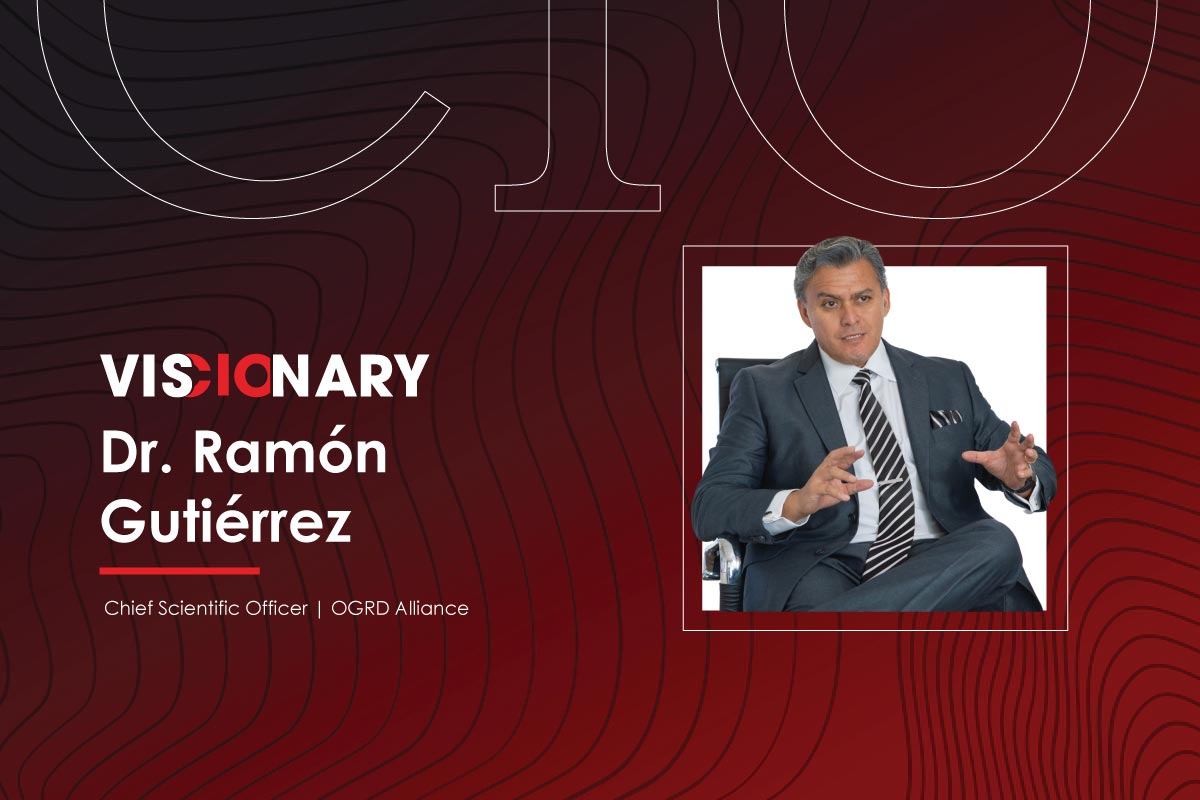
As oncology advances into an era defined by precision science and complex therapeutic innovation, a fundamental question continues to challenge the field: can progress be measured not only by technological sophistication but by how effectively it preserves biological balance and patient resilience? Increasingly, leaders are rethinking traditional paradigms, exploring approaches that prioritize immune architecture, long-term sustainability, and methodological rigor. Driving this shift is Dr. Ramón Gutiérrez, Chief Scientific Officer of OGRD Alliance, whose translational work seeks to redefine how cancer therapies are conceptualized, validated, and responsibly integrated into clinical practice. Through structured frameworks and systems-level innovation, he represents a growing movement toward coherent, patient-centered advancement in modern oncology.
Clinical Observation, Scientific Vision
Dr. Ramón Gutiérrez’s path into translational cancer research began at the intersection of clinical observation and scientific inquiry. As an oncopathologist, he encountered cancer not as an abstract concept but as a lived reality reflected in each patient’s biological and emotional journey. These early experiences shaped his understanding of oncology beyond traditional frameworks, prompting deeper reflection on how treatments affect not only disease progression but also overall immune resilience.
Over time, he recognized a critical paradox within modern cancer care. While scientific sophistication continued to advance, the biological burden placed on patients often increased alongside it. Witnessing patients struggle with treatment-related toxicity led him to question whether immune failure in cancer was solely molecular or rooted in broader structural disruption within the immune system.
This perspective became the foundation of his translational work and ultimately led to the creation of the OGRD Alliance. Established as a scientific ecosystem rather than a single-product initiative, the organization reflects its commitment to restoring immune competence through structured, evidence-driven innovation. For Dr. Gutiérrez, this journey represents a shift toward developing cancer therapies that prioritize biological coherence, clinical responsibility, and long-term patient well-being.
The Challenge of Creating a New Scientific Category
A defining turning point in Dr. Ramón Gutiérrez’s career arose when his research began to challenge existing scientific categories. The technologies he developed did not align with conventional pharmaceutical models or established therapeutic classifications, making evaluation difficult within traditional institutional and regulatory frameworks.
Instead of reshaping the work to fit familiar structures, Dr. Gutiérrez chose to build new methodological and evidentiary pathways that could support fair assessment. He focused on strengthening validation logic, documentation rigor, and scientific coherence so the innovation could be understood on its own terms.
This experience shaped his leadership philosophy. He believes that meaningful progress requires staying aligned with scientific integrity even when immediate recognition is uncertain. By transforming ambiguity into a structured evaluation, he turned a significant obstacle into a foundation for long-term credibility and advancement.
A Systems-Level Strategy for Translational Oncology
Dr. Ramón Gutiérrez approaches translational cancer research as a systems-level discipline that integrates scientific discovery with evidentiary rigor and clinical applicability. Rather than focusing on isolated variables, he emphasizes the alignment of therapeutic design, regulatory readiness, and population-level translation within a coherent framework.
A defining aspect of his methodology is the prioritization of structural coherence and traceability. Innovation under his leadership is evaluated not only for biological outcomes but also for reproducibility, scalability, and institutional reliability. This perspective has led to the development of structured processes that ensure research remains measurable and comparable across diverse clinical and regulatory environments.
Central to this strategy is the STIP framework, which provides standardized documentation and audit-grade traceability for immune activity and translational data. By embedding methodological clarity into scientific development, Dr. Gutiérrez has created an approach that supports responsible innovation while maintaining rigor, safety, and transparency. This framework-driven model reflects his commitment to advancing translational oncology through disciplined, sustainable progress.
Milestones that Defined a Translational Platform
Under the scientific leadership of Dr. Ramón Gutiérrez, OGRD Alliance has evolved into an institutionally validated translational platform supported by independent technical review, regulatory readiness, and strategic investor confidence. A defining achievement has been the consolidation of the PLPC Platform as an integrated scientific ecosystem rather than a single therapeutic asset, reflecting his focus on building sustainable translational infrastructure.
Central to this progress is PLPC-DB, a non-cellular, non-genetic, and non-pharmacodynamic immunotherapy designed to restore immune architecture without systemic toxicity. This work challenged conventional assumptions about immune activation and introduced an alternative framework for therapeutic development. Complementing this advancement is the STIP framework, which enables immune activity, reproducibility, and safety to be evaluated through audit-grade, human-relevant data, strengthening institutional validation and comparability.
Dr. Gutiérrez also guided a structured pre-regulatory readiness phase that included dual independent pre IND technical audits and regulatory alignment efforts to support future FDA interaction. In parallel, a strategically executed equity process reinforced governance discipline while preserving scientific independence. Together, these milestones positioned OGRD Alliance within an active multijurisdictional regulatory pathway, advancing toward formal registration goals.
Validation Through Strategic Alignment
Dr. Ramón Gutiérrez has consistently emphasized that validation in translational oncology must arise from independent evaluation, technical alignment, and institutional accountability rather than association alone. Under his leadership, OGRD Alliance has pursued collaborations that strengthen scientific rigor and regulatory credibility, prioritizing long-term substance over short-term visibility.
A key component of this approach has been engagement with specialized external consultancies that conducted independent pre-IND technical audits before formal regulatory interaction. These evaluations assessed scientific coherence, data traceability, documentation integrity, and alignment with FDA expectations for non-pharmacodynamic platforms. The inclusion of dual independent pre-IND reviews provided objective external perspectives, reinforcing institutional confidence in the platform’s readiness.
In parallel, Dr. Gutiérrez guided collaborations with regulatory alignment experts to harmonize the PLPC-DB architecture and STIP framework with New Approach Methodologies and evolving international regulatory standards. These partnerships have supported the development of a multijurisdictional strategy spanning the United States, the Middle East, Asia, and Europe.
Looking ahead, he approaches partnerships selectively, focusing on institutional collaborators capable of supporting responsible scale-up, governance discipline, and sustainable translational progress.
Research to Influence: A Voice in Translational Oncology
Beyond scientific development, Dr. Ramón Gutiérrez contributes to the evolution of translational oncology through sustained scholarly engagement and global scientific dialogue. His work has been published in leading Q1 peer-reviewed journals, where he explores immune restoration through structural immunobiology and introduces alternative perspectives that challenge conventional therapeutic assumptions.
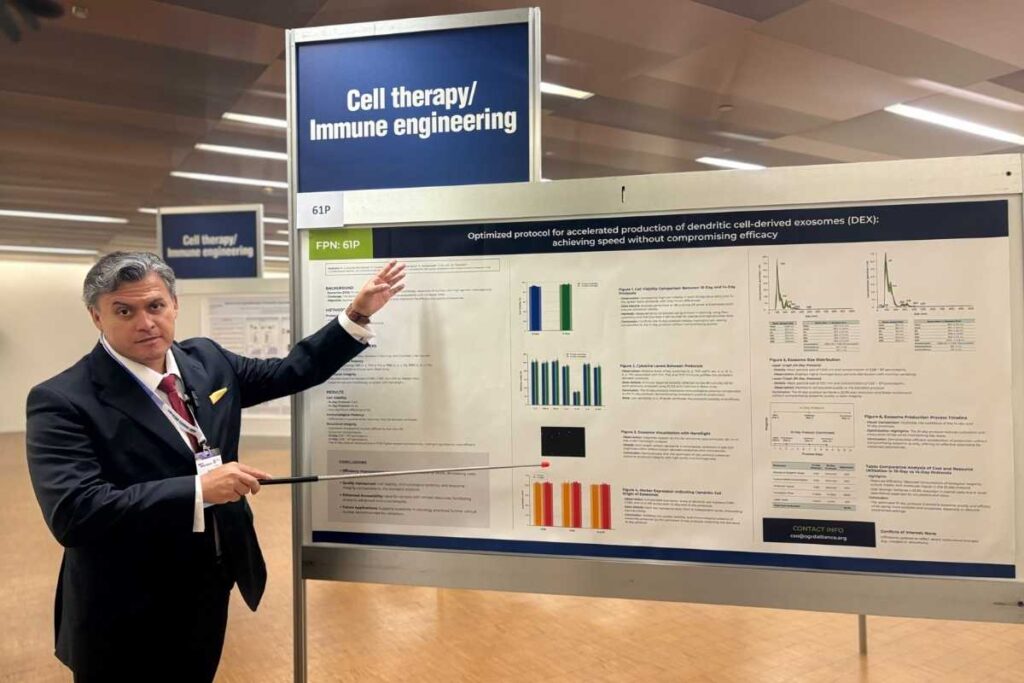
He has presented at internationally recognized oncology forums such as ASCO, ESMO, SITC, CAP, and BioJapan, focusing on methodological rigor, validation frameworks, and the responsible translation of emerging therapeutic models into clinical practice. These engagements position his work within broader scientific conversations that extend beyond individual research outcomes.
A defining aspect of his leadership is mentoring interdisciplinary teams across clinical, scientific, and regulatory domains. By encouraging integration between discovery and governance, he supports a collaborative environment that strengthens both scientific clarity and long-term translational impact.
A Defining Moment in Translational Insight
One of the most consequential moments in Dr. Ramón Gutiérrez’s translational work came with the observation of consistent immune reactivation across heterogeneous patient populations without treatment-limiting toxicity. This finding challenged a long-standing assumption in oncology that meaningful immune activation must come at a high biological cost.
Clinically, it shifted focus from managing side effects toward understanding immune recovery as a process of structural restoration, influencing patient engagement, monitoring strategies, and interpretation of outcomes over time.
On a personal and scientific level, the experience reinforced a guiding conviction: progress in medicine is driven not by greater force, but by deeper biological understanding. It affirmed that restraint, structure, and coherence can be as powerful as aggressive intervention, offering a more sustainable path for innovation and patient well-being.
Translational Success in Practice
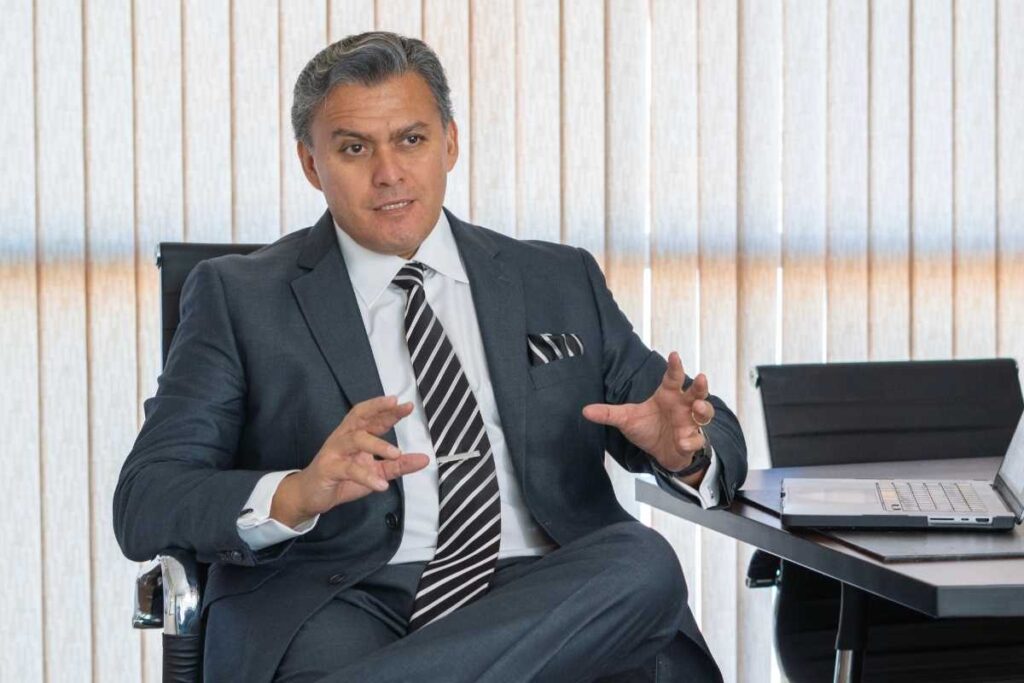
For Dr. Ramón Gutiérrez, success in translational cancer research is measured by multidimensional evaluation rather than a single clinical endpoint. Under his leadership, impact is judged by coherence, reproducibility, and sustainability across scientific, clinical, and regulatory areas. His approach emphasizes convergent indicators that offer a full picture of immune restoration, including immunophenotypic changes, biomarker trends, PET-FDG imaging, ex vivo immune kinetics, and long-term population data.
A key feature of this method is ensuring consistency across varied patient groups and treatment settings, interpreting outcomes within a broad biological framework. Tolerability is also crucial, highlighting immune activation without systemic toxicity, which supports functional recovery and ongoing patient care.
Dr. Gutiérrez considers institutional preparedness essential. Using structured traceability systems like STIP, results are audit-ready and comparable internationally, ensuring clinical findings rest on verifiable evidence. This integrated approach showcases his dedication to advancing translational oncology through rigorous, patient-focused evaluation.
Balancing Innovation with Ethical Accountability
Dr. Ramón Gutiérrez considers ethical discipline a prerequisite for meaningful innovation rather than a constraint on scientific progress. Under his leadership, translational programs operate within structured frameworks that prioritize patient privacy, data anonymization, and regulatory compliance, ensuring that scientific advancement remains aligned with responsibility and trust.
He emphasizes secure governance practices that protect individual confidentiality while enabling meaningful research insights. Independent external reviews and pre-regulatory evaluations further reinforce accountability, reflecting his belief that innovation must withstand rigorous ethical and institutional scrutiny before entering clinical practice.
For Dr. Gutiérrez, ethics, compliance, and innovation function as a unified philosophy. Technologies are advanced only when they can be clearly explained, audited, and ethically defended, reinforcing a leadership approach where progress and patient protection evolve together.
The Future of Translational Research
Dr. Ramón Gutiérrez envisions translational cancer research evolving to embrace development models that better suit emerging therapies. He points out that traditional pharmacodynamic frameworks and rigid clinical trial designs may not fully capture the value of innovations based on non-cellular, non-genetic, and architectural approaches. Consequently, New Approach Methodologies, real-world evidence, and hybrid validation strategies are expected to complement conventional methods, allowing more precise evaluation without sacrificing scientific rigor.
He highlights increasing demands for traceability, reproducibility, and auditability as regulators and institutions seek consistent, structured evidence across diverse populations and settings. Oncology is also shifting toward long-term biological sustainability, prioritizing immune preservation and quality of life as survival improves.
To address these shifts, Dr. Gutiérrez has led OGRD Alliance in developing flexible scientific and regulatory systems through the PLPC Platform, including PLPC DB and the STIP framework. His strategy is forward-thinking, aimed at supporting evolving standards while ensuring responsible clinical translation.
A Legacy Beyond Innovation
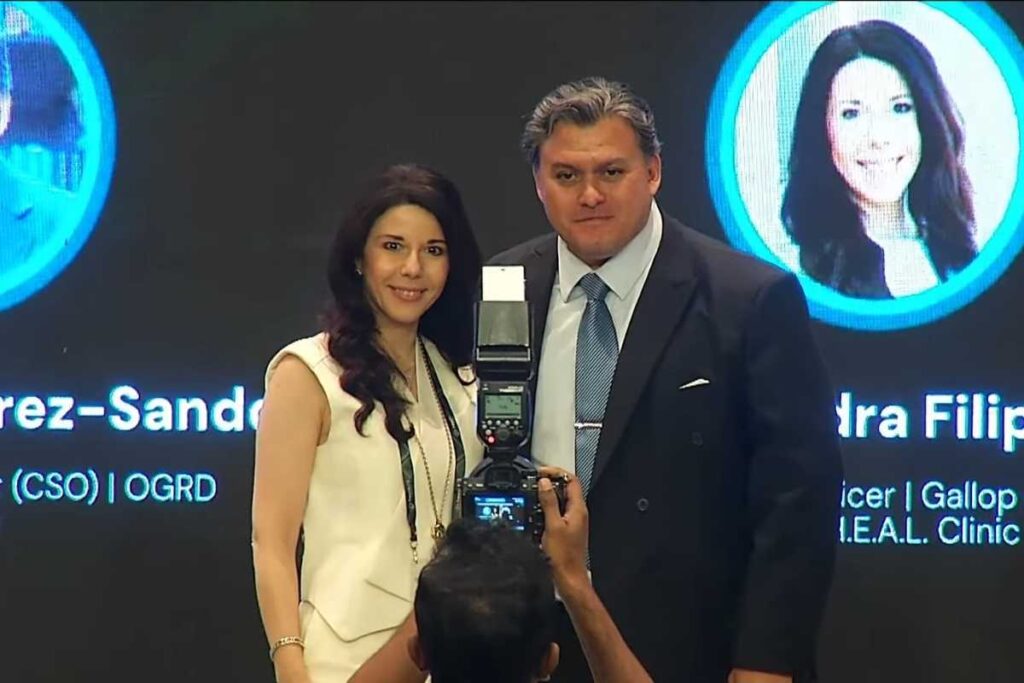
Dr. Ramón Gutiérrez aims to leave a legacy defined not by personal achievements but by creating frameworks that empower future generations to advance translational oncology with responsibility and clarity. He believes true impact comes from models that endure beyond specific therapies, enabling others to build safely on solid foundations.
At the core of his vision is an approach to immune restoration based on biological coherence instead of escalation. He envisions a clinical future where doctors no longer have to choose between effective treatment and patient well-being, with innovation supporting sustainable progress.
His legacy also includes fostering institutions rooted in scientific rigor, ethical standards, and regulatory responsibility. By promoting traceability, independent validation, and transparent governance, Dr. Gutiérrez supports an environment where new technologies develop through accountable processes. He measures success by enabling future researchers to confidently push translational cancer research forward, ensuring it remains responsible, sustainable, and grounded in lasting scientific integrity.
Scientific Validation and Global Recognition:
The development of the OGRD Alliance and the PLPC Platform is supported by a strong foundation of peer-reviewed research, international scientific engagement, and growing recognition across global healthcare and innovation ecosystems.
1. Peer-Reviewed Scientific Publications
Documented in multiple international Q1 journals, including Cancers, Biomedicines, International Journal of Molecular Sciences, and Biology, highlighting rigorous scientific validation.
2. Global Scientific Congress Presentations
Research elements presented at leading oncology and immunotherapy forums such as ASCO (American Society of Clinical Oncology), ESMO (European Society for Medical Oncology), and SITC (Society for Immunotherapy of Cancer).
3. Translational Oncology Focus
Advancing architecture-based, non-toxic approaches that aim to redefine therapeutic paradigms in oncology.
4. International Recognition and Media Features
Featured across global healthcare and innovation leadership platforms, reflecting increasing institutional and industry acknowledgment.
5. Verifiable Public Record
Scientific publications, conference participation, and media coverage collectively establish a transparent and traceable record of the platform’s evolution and relevance.