Key Points:
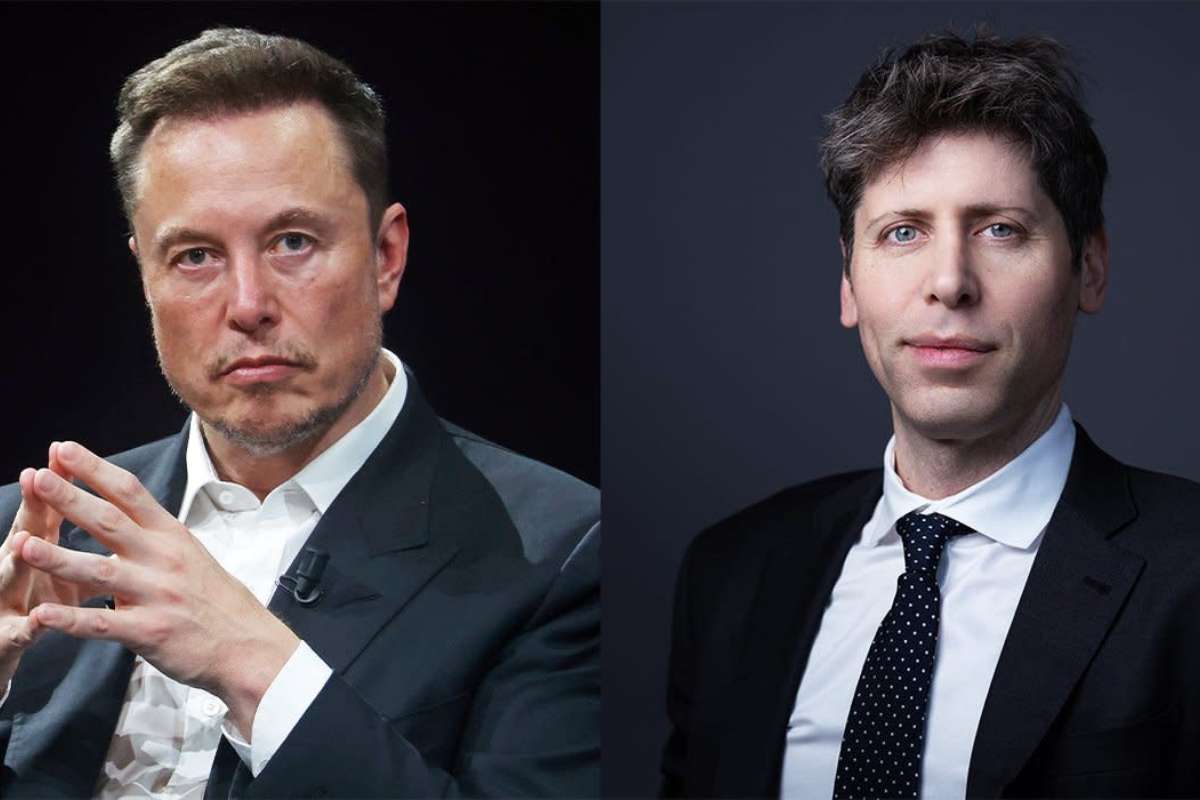
- Elon Musk’s OpenAI Lawsuit seeks to remove Sam Altman and Greg Brockman.
- Musk argues OpenAI abandoned its nonprofit mission for profit.
- OpenAI defends its capped-profit model as vital for AI growth.
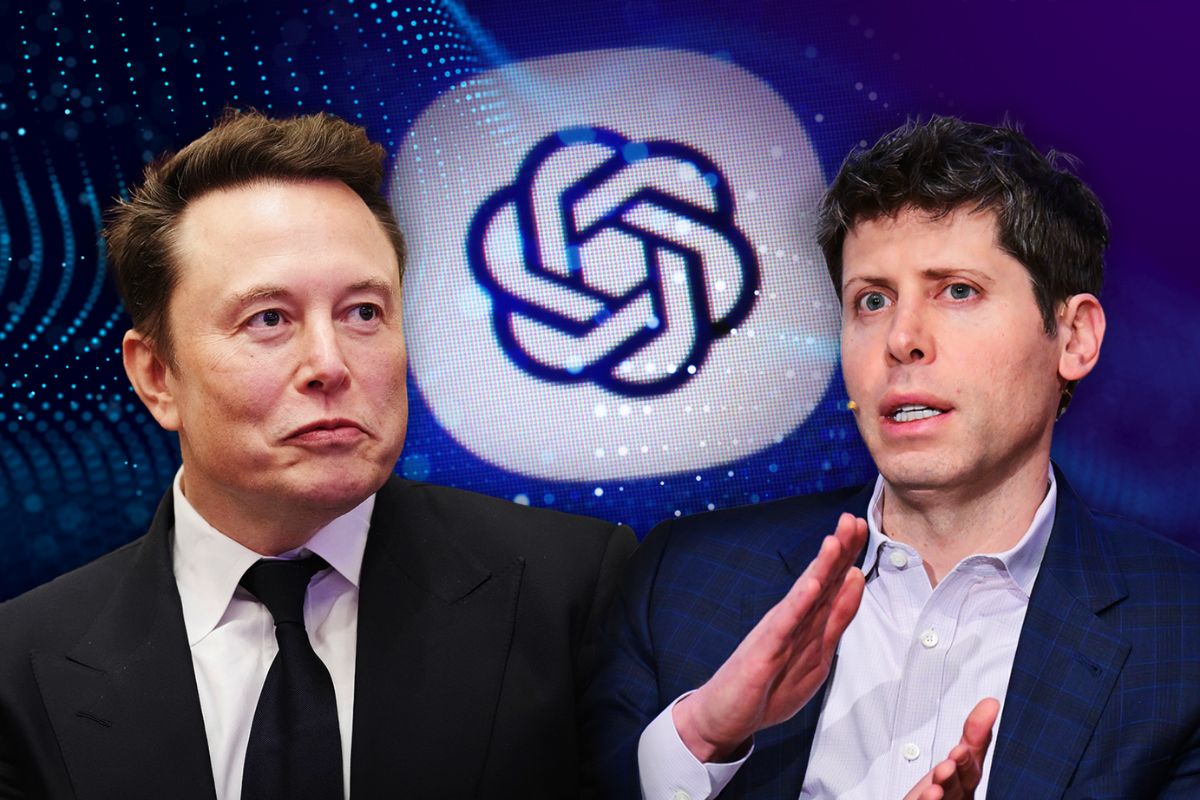
The legal confrontation between Elon Musk’s OpenAI Lawsuit has taken a sharper turn, with Musk now seeking the removal of CEO Sam Altman as part of a significantly expanded lawsuit. The updated filing also calls for the ouster of President Greg Brockman, signaling a broader challenge to the company’s current leadership.
What began as a dispute over OpenAI’s structural transformation has now evolved into a direct attempt to reshape its leadership and governance. Musk, who co-founded the organization in 2015 before distancing himself years later, is positioning the lawsuit as a corrective measure aimed at restoring what he views as the company’s original purpose.
By targeting top executives, Musk is not only questioning OpenAI’s direction but also its decision-making at the highest level. The move raises the stakes considerably, transforming the case into a defining battle over control, accountability, and the future trajectory of one of the most influential players in artificial intelligence.
Core Dispute Centers on Mission Drift and Commercialization
At the center of the legal dispute is a fundamental disagreement over OpenAI’s evolution. Originally established as a nonprofit research organization dedicated to developing artificial intelligence for the broader benefit of humanity, OpenAI has since transitioned into a hybrid model that includes a for-profit arm.
Musk contends that this shift contradicts the commitments made during the organization’s early days. He claims he contributed substantial financial backing based on assurances that OpenAI would remain nonprofit-driven and focused on public good rather than commercial gain.
According to Elon Musk’s OpenAI Lawsuit argument, the company’s current structure reflects a significant departure from those founding principles. He has accused the leadership of prioritizing profit and strategic partnerships over transparency and mission integrity. The lawsuit frames this transition not merely as a business evolution, but as a breach of trust.
In a notable aspect of the case, Musk has indicated that any financial damages awarded should not go to him personally. Instead, he has proposed that such funds be directed toward OpenAI’s nonprofit entity. This position reinforces his claim that the legal action is intended to realign the organization with its original goals rather than serve individual financial interests.
The dispute also reflects a broader tension within the artificial intelligence industry. As AI development becomes increasingly resource-intensive, organizations are under pressure to secure large-scale funding, often leading to hybrid or profit-driven models. This shift, while enabling rapid innovation, has also sparked concerns about ethical priorities, governance, and long-term accountability.
OpenAI Pushes Back as Case Nears Critical Phase
OpenAI has strongly rejected Musk’s allegations, describing the lawsuit as unfounded and strategically motivated. The company maintains that its transition to a capped-profit structure was necessary to attract the capital required to develop advanced AI technologies at scale.
In its defense, OpenAI argues that such a model allows it to balance innovation with responsibility, ensuring that it remains competitive in a rapidly evolving global landscape. The organization has also suggested that Musk’s actions may be influenced by his own growing involvement in the AI sector, adding a layer of competitive tension to the dispute.
The legal battle is now approaching a critical stage, with a potential trial expected to draw widespread attention from both the technology and legal communities. Experts believe the outcome could set an important precedent for how AI organizations are structured and governed, particularly those that begin as mission-driven nonprofits but later seek commercial viability.
Beyond the immediate conflict, the case highlights a defining challenge of the AI era: balancing the pursuit of groundbreaking innovation with the responsibility to serve the public good. As companies race to develop increasingly powerful AI systems, questions around transparency, ethics, and leadership accountability are becoming more urgent.
The resolution of this Elon Musk’s OpenAI Lawsuit could have far-reaching implications—not just for OpenAI, but for the broader artificial intelligence ecosystem. It may ultimately shape how future AI ventures navigate the complex intersection of mission, money, and power in one of the most transformative industries of the modern age.