Key Points:
- Elon Musk’s Terafab project is a $25 billion semiconductor mega-fab in Austin designed to unify design, fabrication, testing, and packaging under one roof.
- The initiative aims to meet soaring demand for AI, autonomous vehicles, and robotics while reducing reliance on global supply chains.
- Terafab’s vision extends beyond Earth, with plans for space-based data centers powered by solar energy to support advanced AI systems.
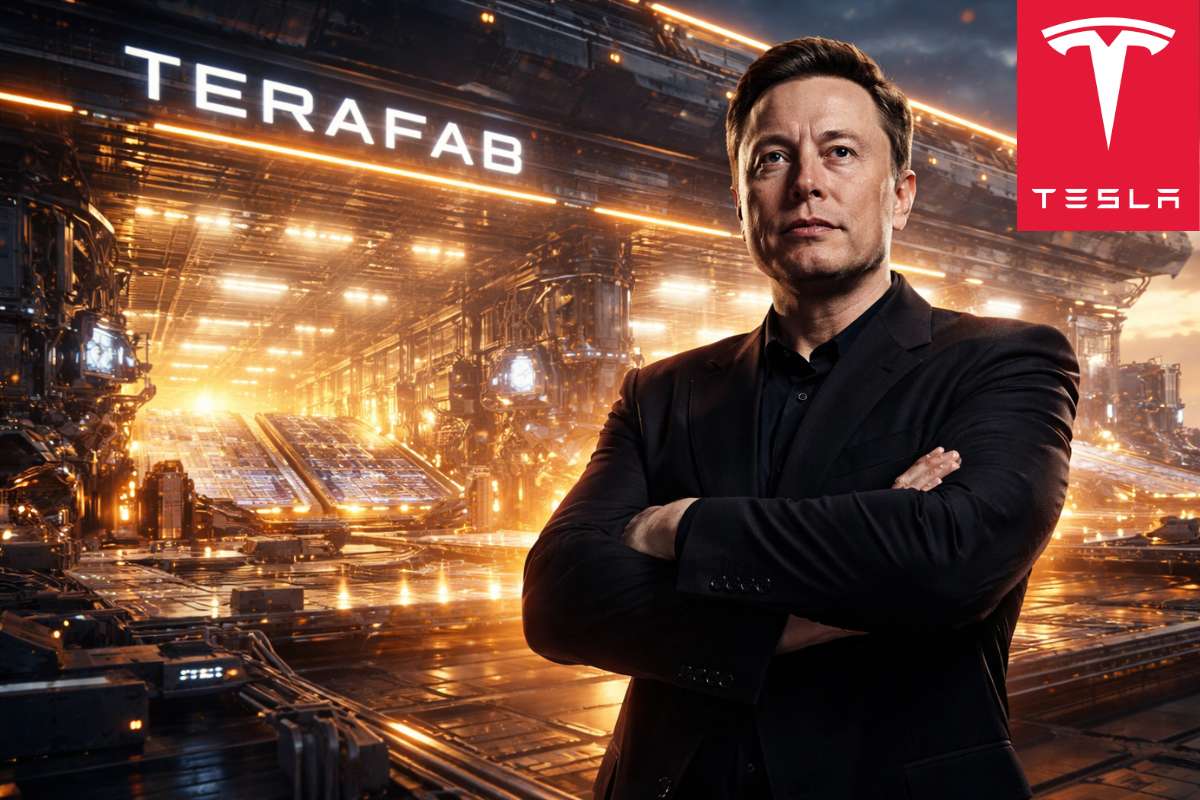
Elon Musk has unveiled an ambitious semiconductor initiative, “Terafab,” marking one of the boldest bets yet on the future of artificial intelligence and advanced computing. Backed by an estimated $25 billion investment, the project brings together Musk’s key ventures, including Tesla, SpaceX, and xAI, into a unified effort to develop next-generation chips at scale.
The proposed facility will be built in Austin and is envisioned as a fully vertically integrated “mega-fab.” Unlike traditional semiconductor manufacturing, where processes are spread across multiple suppliers and regions, Terafab aims to consolidate design, fabrication, testing, and packaging within a single ecosystem. This approach is expected to significantly reduce production timelines while improving efficiency and control.
Musk has emphasized that the project is a direct response to the rapidly increasing demand for computing power, particularly driven by AI systems, autonomous vehicles, and robotics. With global semiconductor supply chains already under strain, Terafab is positioned as a strategic move to secure long-term chip availability for Musk’s companies while reducing reliance on external manufacturers. The scale of the facility is expected to be unprecedented, with plans to deliver massive computing output annually.
From Self-Driving Cars to Space-Based AI Systems
What sets Terafab apart is its dual-purpose vision serving both Earth-based technologies and future space infrastructure. The chips produced will power Tesla’s evolving ecosystem, including its autonomous driving platforms and humanoid robot initiatives. At the same time, they will play a central role in enabling advanced artificial intelligence systems beyond Earth.
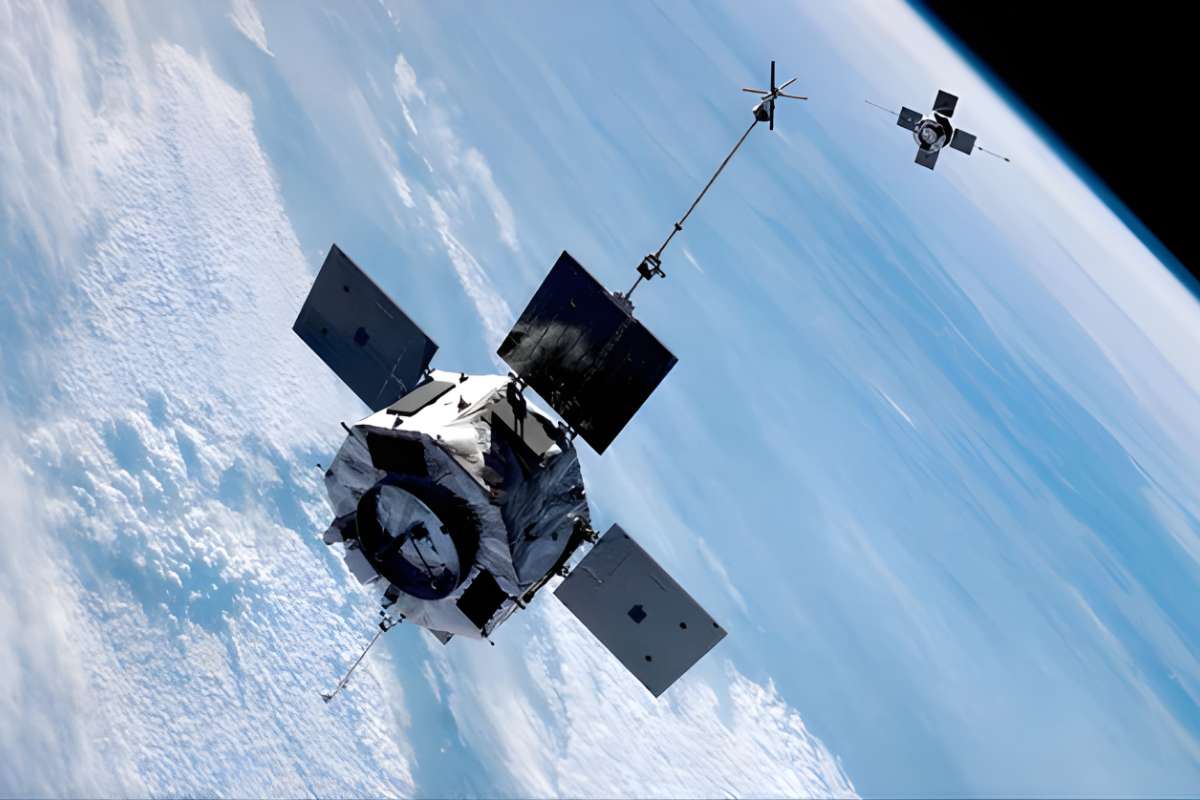
Musk has outlined a long-term plan to establish space-based data centers, supported by satellite networks developed through SpaceX. These orbital computing systems would rely on solar energy, potentially addressing two of the biggest challenges faced by terrestrial data centers: energy consumption and cooling limitations. By operating in space, such systems could harness uninterrupted solar power while avoiding many environmental constraints.
This concept represents a significant shift in how computing infrastructure is imagined. Instead of relying solely on land-based facilities, Musk envisions a distributed network of AI processing units orbiting the planet. These systems could deliver high-performance computing capabilities at scale, supporting everything from global communications to advanced AI training models.
The integration of xAI into this framework further strengthens the vision, aligning artificial intelligence development with space technology. By controlling both the hardware and software stack, Elon Musk’s Terafab project aims to accelerate innovation while maintaining independence from traditional chipmakers and cloud providers.
Ambition Meets Industry Skepticism
Despite its sweeping vision, Elon Musk’s Terafab project has generated considerable debate within the technology and semiconductor industries. Chip manufacturing is widely regarded as one of the most complex and capital-intensive sectors, requiring specialized expertise, precision engineering, and highly optimized supply chains. Building a new fabrication ecosystem from scratch presents significant technical and operational challenges.
Industry observers have raised concerns about whether Musk’s companies can successfully navigate the intricacies of semiconductor production, given their limited direct experience in this domain. Additionally, producing chips designed for space environments introduces another layer of complexity. These components must withstand extreme temperatures, radiation exposure, and long operational lifespans without failure.
The broader idea of space-based data centers has also drawn mixed reactions. While the concept offers compelling advantages in theory, critics argue that practical hurdles such as high launch costs, maintenance logistics, and data transmission challenges could limit its near-term viability. Establishing reliable communication links between orbital systems and Earth-based networks remains a critical obstacle.
Even so, Elon Musk’s Terafab project has remained unwavering in its outlook. He has framed Terafab as a necessary step toward ensuring an abundant supply of computing power in a world increasingly shaped by artificial intelligence. By pushing the boundaries of chip manufacturing and exploring new frontiers in space-based computing, the project aims to redefine how and where digital infrastructure operates.
As early planning and development efforts begin, Terafab stands as a bold and unconventional attempt to reshape the semiconductor landscape. Whether it ultimately achieves its ambitious goals or encounters significant roadblocks, the initiative highlights a growing global race to control the infrastructure that will power the next era of AI—both on Earth and beyond.