Key Takeaways:
- Transportation Secretary Sean Duffy warned Ford over its deep Ford China ties and business partnerships.
- The official letter cited major national security risks and supply chain dependencies.
- Ford pushed back strongly against the administration’s claims and factual errors.
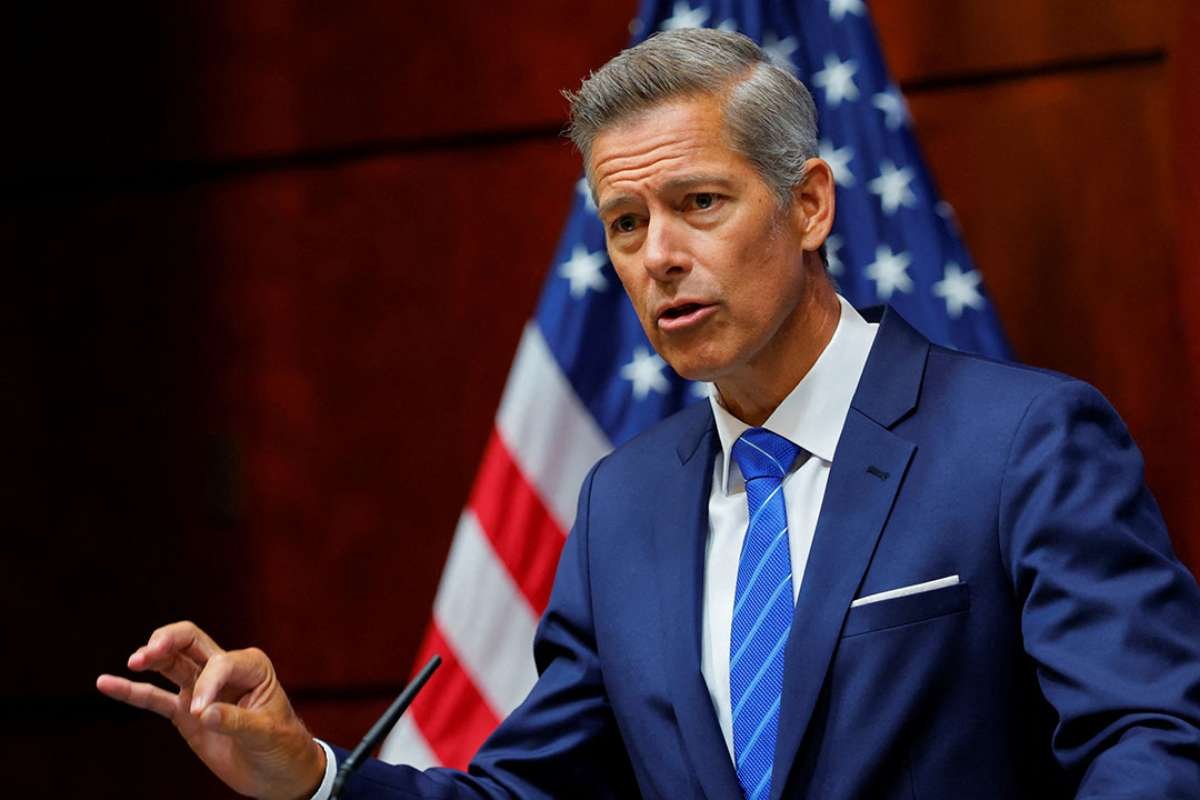
U.S. Transportation Secretary Sean Duffy warned Ford Motor Company this week over its Ford China ties, citing severe national security risks and corporate dependencies that threaten American manufacturing jobs.
Duffy warns ford over ford China ties
Transportation Secretary Sean Duffy sent an official warning letter to Ford Chief Executive Officer Jim Farley regarding deep corporate partnerships with Chinese enterprises.
The cabinet official strongly criticized the major automaker for deepening operational ties with foreign firms that receive heavy state support from rival overseas governments.
Duffy warned that these business partnerships create serious national security risks for the United States and actively undermine local domestic manufacturing capabilities across the nation.
“When a company intentionally chooses to deepen operational dependencies on strategic competitors, it fails to act as the reliable partner the American public and this DOT require,” Duffy wrote in the formal letter.
The cabinet secretary specifically pointed to licensing agreements with Chinese battery makers, foreign joint ventures, and vehicle production plans overseas. He argued that these strategic choices help foreign competitors expand their economic footprint in the global automotive sector while leaving domestic American workers behind.
Lawmakers push for tighter restrictions
The sharp warning letter arrives as federal lawmakers push for tighter legislative restrictions on foreign corporate involvement across various domestic industries.
Members of Congress want to limit Chinese influence within the domestic automotive market to protect vital national economic interests. Policymakers worry that advanced connected vehicle technologies and foreign supply chains could expose critical national infrastructure to outside spying and unexpected cyber threats.
The Senate Commerce Committee recently approved bipartisan legislation to address these exact economic dangers across the country. The proposed measure would ban the import and sale of vehicles tied to designated foreign entities of concern, including major firms based in China.
Lawmakers hope these strict rules will force major American brands to achieve complete technological self-reliance instead of depending on foreign adversaries.
Automaker defends operations and investments
Ford pushed back sharply against the administration’s warnings regarding its current business strategies and global overseas agreements. Company representatives stated publicly that the official government letter contained multiple factual errors and misstated daily corporate operations.
Executives emphasized that the local battery facility in Michigan uses a limited technology-licensing deal and remains wholly owned and managed by Ford employees. Duffy specifically raised concerns about Ford China ties involving licensing agreements with Chinese battery manufacturers.
The automaker highlighted its massive multi-billion-dollar investments in the United States over recent years.
Ford leaders noted that its domestic facilities create thousands of good-paying jobs for hardworking Americans across multiple states. The corporation remains fully committed to building strong domestic manufacturing lines while following all federal rules and regulations.