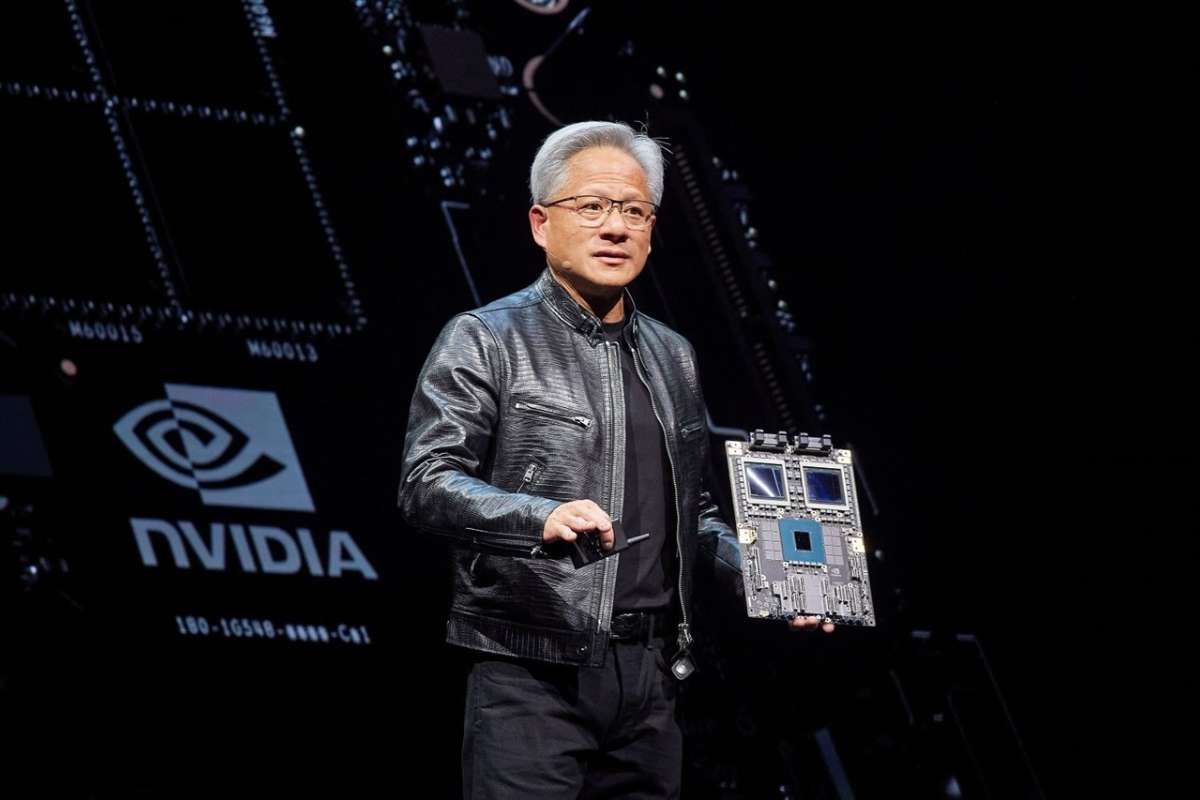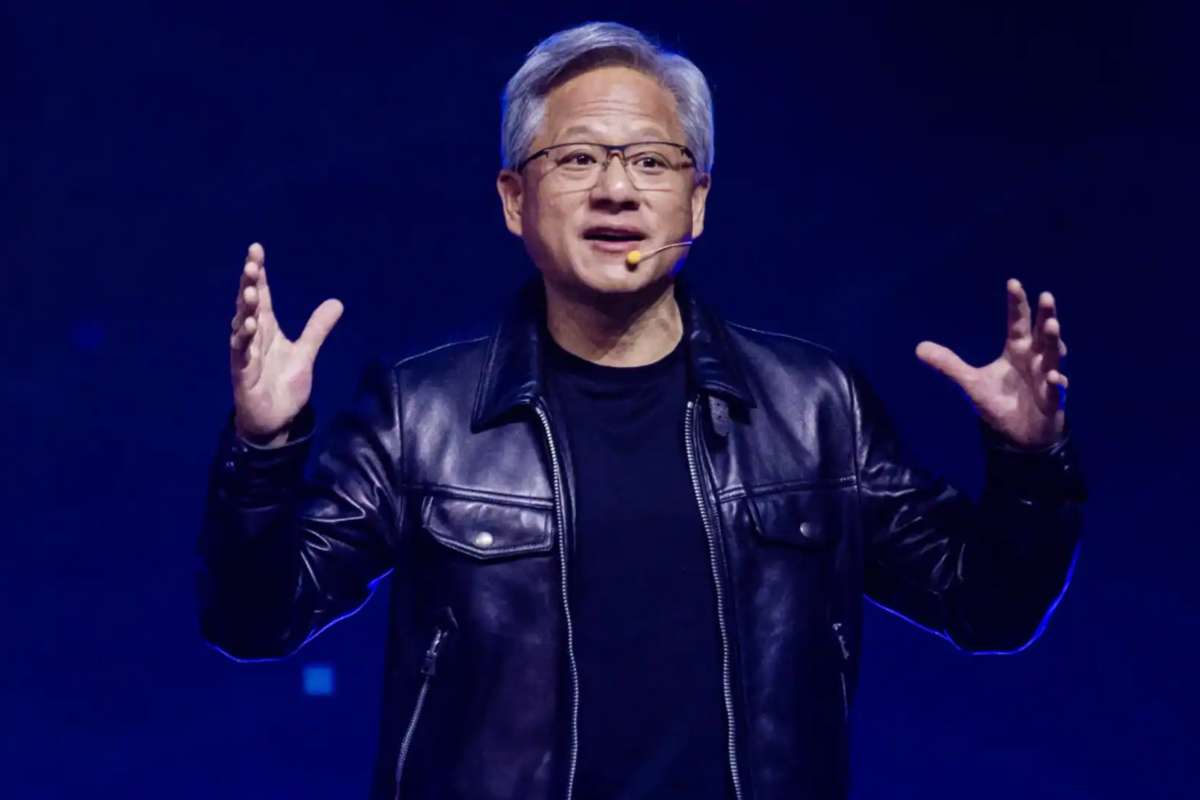
NVIDIA CEO Jensen Huang has reignited discussions in the tech world by suggesting that artificial general intelligence (AGI) may already exist. Speaking on a popular AI-focused podcast, Huang remarked, “I think we’ve achieved AGI,” implying that current AI systems may possess cognitive abilities comparable to humans across a broad range of tasks. This Jensen Huang AGI claim has quickly sparked widespread debate across the industry.
AGI, often described as AI capable of learning, reasoning, and adapting across multiple domains like a human, has long been considered a futuristic milestone. Many experts predict it will take decades to achieve, but Huang’s statement challenges conventional expectations. On the podcast, the host offered an ambitious definition of AGI: an AI system capable of independently founding, managing, and scaling a billion-dollar technology company. Within this framing, Huang suggested the threshold for AGI could already have been crossed.
However, Jensen Huang tempered his claim, noting that while autonomous AI agents can perform complex tasks, the likelihood of one spontaneously founding and running a company like Nvidia remains extremely low. His remarks, therefore, appear to emphasize the progress AI has made rather than asserting that it fully replicates human intelligence in all dimensions. This nuanced stance has sparked a mix of excitement and skepticism in the AI community.
Impact on Nvidia and the Broader AI Landscape
Huang’s comments carry weight given Nvidia’s central role in modern AI. The company’s GPUs power most large language models, machine learning research, and high-performance AI applications globally. This dominance has positioned Nvidia at the core of AI innovation, and Huang’s statement reinforces the company’s strategic narrative as a leader in the AI revolution.
Beyond technology, Huang’s claim may also reflect competitive positioning. Major tech firms have traditionally exercised caution when discussing AGI, often opting for terms like “advanced AI” or “useful AI” to avoid hype. Nvidia’s assertive stance distinguishes it from its peers, highlighting confidence in the capabilities of current AI systems.
Industry observers note that the discussion around AGI remains unsettled. While some researchers argue that today’s AI is still specialized and narrowly focused, others point to the increasing sophistication of autonomous agents and large-scale learning models as steps toward broader cognitive abilities. Jensen Huang AGI remarks have sparked renewed interest in how AGI should be defined and what benchmarks are appropriate for measuring intelligence in machines.
Industry Reactions and Future Implications
The immediate reaction from the AI community has been mixed. Some experts caution against declaring AGI based on current capabilities, arguing that AI systems, while advanced, still lack open-ended reasoning and cross-domain adaptability. Others view Huang’s statement as a provocative but reasonable reflection of AI’s rapid progress, especially in areas like autonomous decision-making, data processing, and complex task execution.
Meanwhile, Nvidia continues to invest heavily in AI research and infrastructure. Its ongoing work in accelerated computing, robotics, and AI inference platforms demonstrates the company’s commitment to advancing the field. Huang’s comments may also influence investor perception, potentially driving increased funding for AI initiatives and shaping competitive strategies across the tech sector.
Ultimately, Jensen Huang AGI assertion has rekindled the debate over AGI and what it means for the future of artificial intelligence. While the question of whether machines can truly “think like humans” remains open, his remarks have refocused attention on AI’s rapid progress and its growing impact on industries, innovation, and society as a whole.