Key points:
- Record Earnings: NVIDIA posted $68B revenue, fueled by AI GPU demand.
- AI & SaaS: Jensen Huang said AI will boost, not replace, software platforms.
- Partnerships: NVIDIA expanded ties with OpenAI, Meta, and Anthropic.
NVIDIA Corporation delivered another blockbuster quarter, reinforcing its dominance in the rapidly expanding artificial intelligence infrastructure market. For the fiscal fourth quarter ending in late January 2026, the chipmaker reported revenue of approximately $68 billion, marking a sharp year-over-year surge driven primarily by soaring demand for AI-focused graphics processing units (GPUs).
The company’s data center division once again served as the primary growth engine, accounting for the majority of total revenue as global cloud providers, enterprises, and AI developers raced to secure advanced computing capacity. NVIDIA’s forward guidance also exceeded market expectations, with projections signaling continued momentum into the next quarter.
The results come at a time when investors have debated whether AI-related capital expenditures are sustainable. However, Nvidia’s performance suggests that the AI buildout remains in full acceleration mode. Demand for high-performance chips powering generative AI models, autonomous systems, and enterprise automation tools has shown little sign of slowing.
While some market volatility followed the announcement, largely due to broader macroeconomic uncertainties, Nvidia’s latest earnings reinforced its central role in what analysts describe as a multi-trillion-dollar transformation of global computing infrastructure.
Jensen Huang Rejects “SaaSpocalypse” Narrative
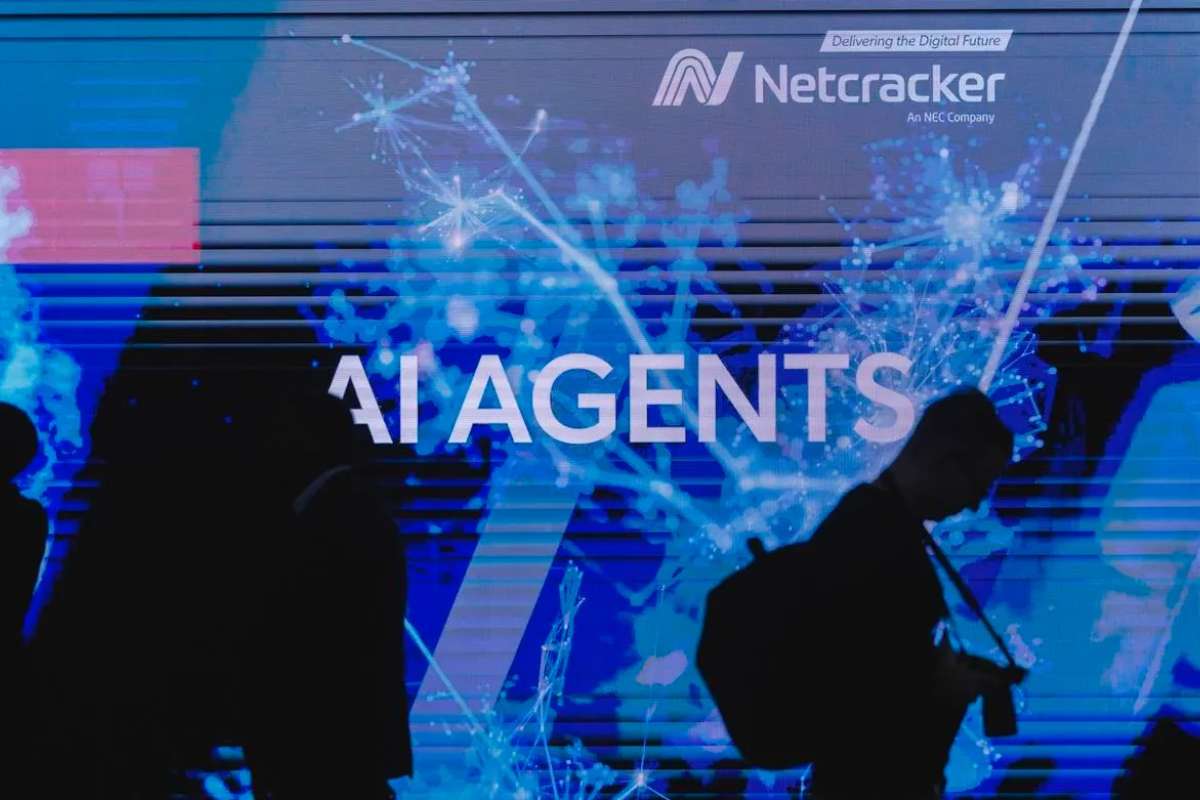
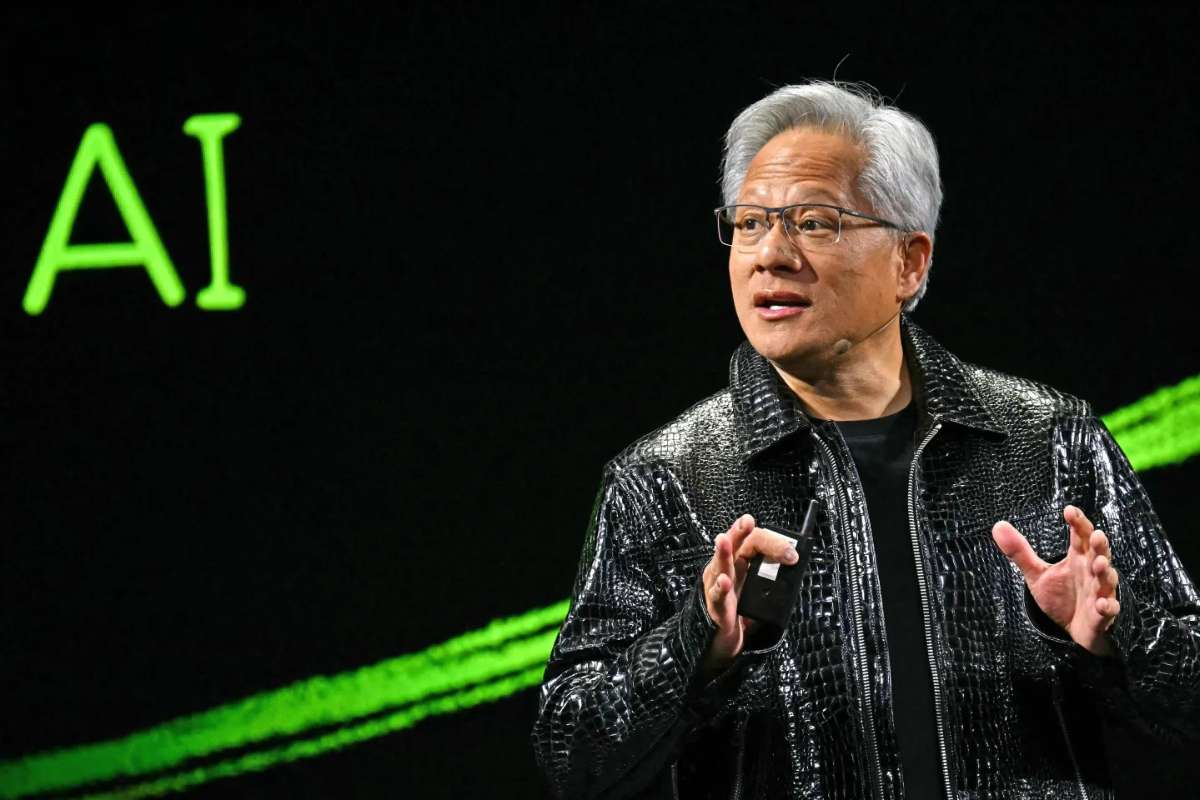
During discussions surrounding the earnings release, Nvidia CEO Jensen Huang addressed growing concerns that generative AI could threaten traditional software companies. In recent months, several Software-as-a-Service (SaaS) stocks have faced pressure amid fears that autonomous AI agents may replace subscription-based enterprise tools.
Jensen Huang pushed back firmly against that narrative. He argued that markets have misinterpreted AI’s impact on software providers, emphasizing that AI systems are more likely to enhance existing platforms rather than eliminate them. According to Huang, AI operates as an intelligent layer integrated into software ecosystems, increasing productivity and automation without rendering established solutions obsolete.
Companies such as ServiceNow and other enterprise software providers have seen investor anxiety rise amid speculation that AI agents could directly execute workflows without human interaction. Some commentators have labeled this feared disruption a “SaaSpocalypse.”
However, Jensen Huang framed the technology shift differently. He described AI as a powerful accelerator that depends on structured enterprise systems, databases, and application frameworks to function effectively. In his view, software platforms remain essential foundations upon which AI agents operate. Rather than replacing SaaS, AI may increase its value by making systems more intelligent, responsive, and autonomous.
His remarks offered reassurance to software investors who have grappled with uncertainty over how AI-driven automation will reshape business models across industries.
Expanding Strategic AI Partnerships
Beyond earnings and market commentary, Nvidia continues to deepen its engagement across the AI ecosystem. The company has strengthened strategic ties with leading AI developers, including OpenAI, Meta, and Anthropic, as it positions itself not only as a hardware supplier but also as a strategic enabler of next-generation AI systems.
These partnerships reflect Nvidia’s broader strategy: combining advanced semiconductor design with ecosystem investment to maintain technological leadership. Its GPUs remain the backbone of large language models, advanced reasoning systems, and AI-powered enterprise applications.
As corporations worldwide accelerate AI adoption, Nvidia stands at the center of this infrastructure expansion. By rejecting claims that AI will dismantle the software sector and instead positioning it as a collaborative force, Huang signaled confidence not only in Nvidia’s hardware demand but also in the long-term resilience of the broader technology stack.
With record revenues, strong forward guidance, and continued ecosystem expansion, Nvidia’s latest results suggest that the AI revolution is entering a more mature phase, one defined not by disruption alone, but by integration across the entire digital economy.