Key Takeaways:
- Natarajan Chandrasekaran will step down as the chairman of Tata Sons soon.
- The departure puts a massive 120 billion dollar investment plan in jeopardy.
- Noel Tata now faces crucial choices regarding future capital spending strategies.
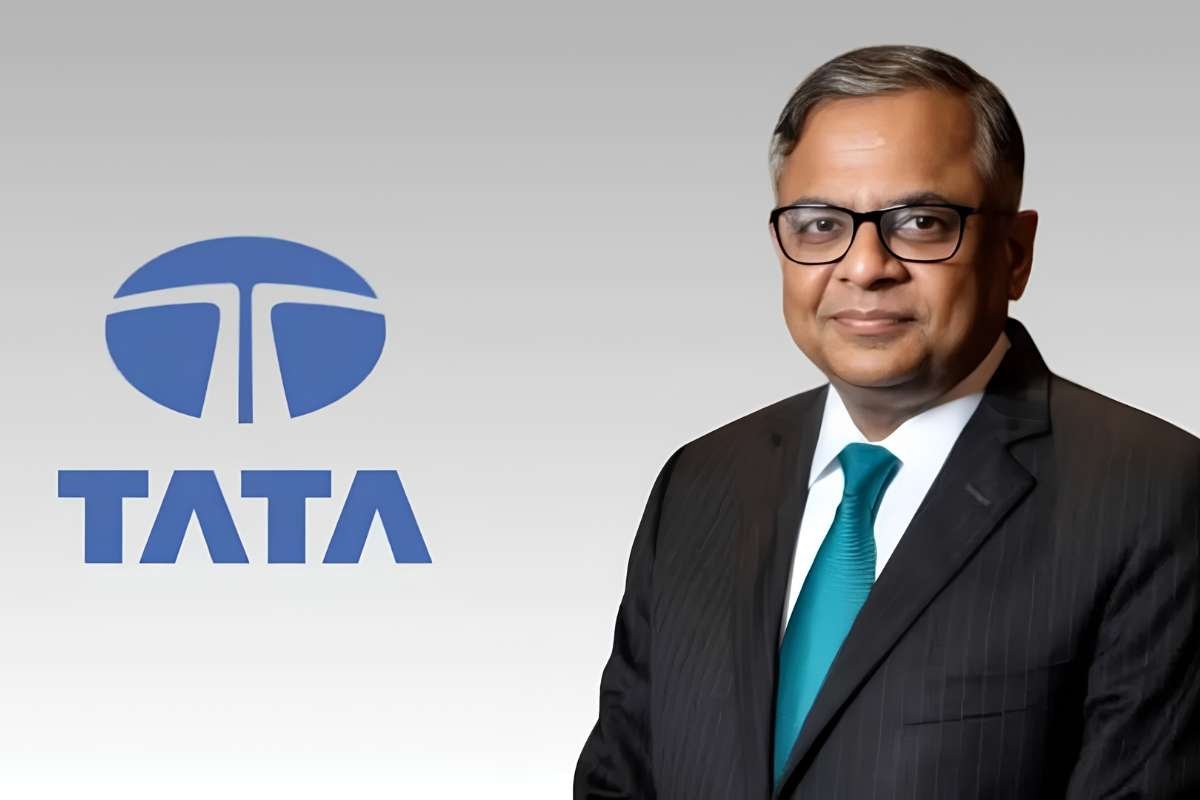
In February, Tata Sons Chairman Natarajan Chandrasekaran will step down, leaving India’s largest conglomerate facing an uncertain future as corporate leaders debate a massive 120 billion dollar investment strategy.
Tata chairman resignation threatens investment plan
Natarajan Chandrasekaran announced his shocking decision to leave the company early next year, ending nearly a decade of bold leadership that successfully transformed the entire enterprise.
His unexpected departure abruptly halts a historic era that pushed the massive industrial group toward advanced technologies and modern digital growth. Current and planned projects across various sectors could now slow down, scale back significantly, or stretch out much longer than initially expected by market analysts tracking the firm across the globe.
The sudden leadership change places a massive 120 billion dollar reinvestment program under intense scrutiny across the entire nation and global financial markets today. Observers note that the company faces a critical strategic turning point without its long-standing chief executive officer at the helm to guide future decisions.
Stakeholders desperately want clarity on how future funding allocations and major capital projects will proceed under upcoming administrative direction.
Leadership vacuum shakes indian economic giant
Noel Tata serves as the chairman of Tata Trusts and will help manage this sudden top-level transition process across the entire holding company structure, echoing Berkshire Hathaway’s own recent chairman transition.
He has previously pushed back against the massive spending spree favored by the outgoing leader over recent months. Instead, Noel Tata strongly prefers cautious capital spending with much faster payout horizons for all corporate business units.
This internal tension between key leaders has now come to a direct head within the corporate holding structure during a very delicate transition period. Subsidiary companies worry that delayed project approvals and funding freezes could hurt their competitive edge in fast-growing global markets. Management teams are currently holding emergency strategy meetings to assess ongoing capital requirements, operational timelines, and long-term financial commitments.
Analysts question future corporate growth strategy
The massive conglomerate acts as a major economic proxy for the wider Indian market today with far-reaching influence across multiple domestic industries. Its extensive consumer brands range from luxury cars and hotels to commercial airlines and everyday tea products. Beyond these traditional sectors, the group has placed huge strategic bets on semiconductors, electric car batteries, and artificial intelligence data centers and advanced electronics.
This ambitious digital expansion makes the corporate group a crucial partner for national manufacturing and technology goals supported by government leaders in New Delhi. Market watchers await further updates, per a BBC News report, as the holding company handles its critical leadership handover and future operational plans.