Key Points:
- Diversification – Xiaomi $8.7 billion AI investment drives expansion beyond smartphones into AI-powered devices and EVs.
- Innovation – New AI models like MiMo-V2-Pro and top talent drive development.
- Growth Vision – Boosts investor confidence and positions Xiaomi as a global AI competitor.
Xiaomi has announced an ambitious plan, committing a Xiaomi $8.7 billion AI investment over next three years, marking a defining shift in its long-term strategy. The move reflects the company’s intent to evolve beyond its core smartphone business and establish itself as a serious player in the global AI race.
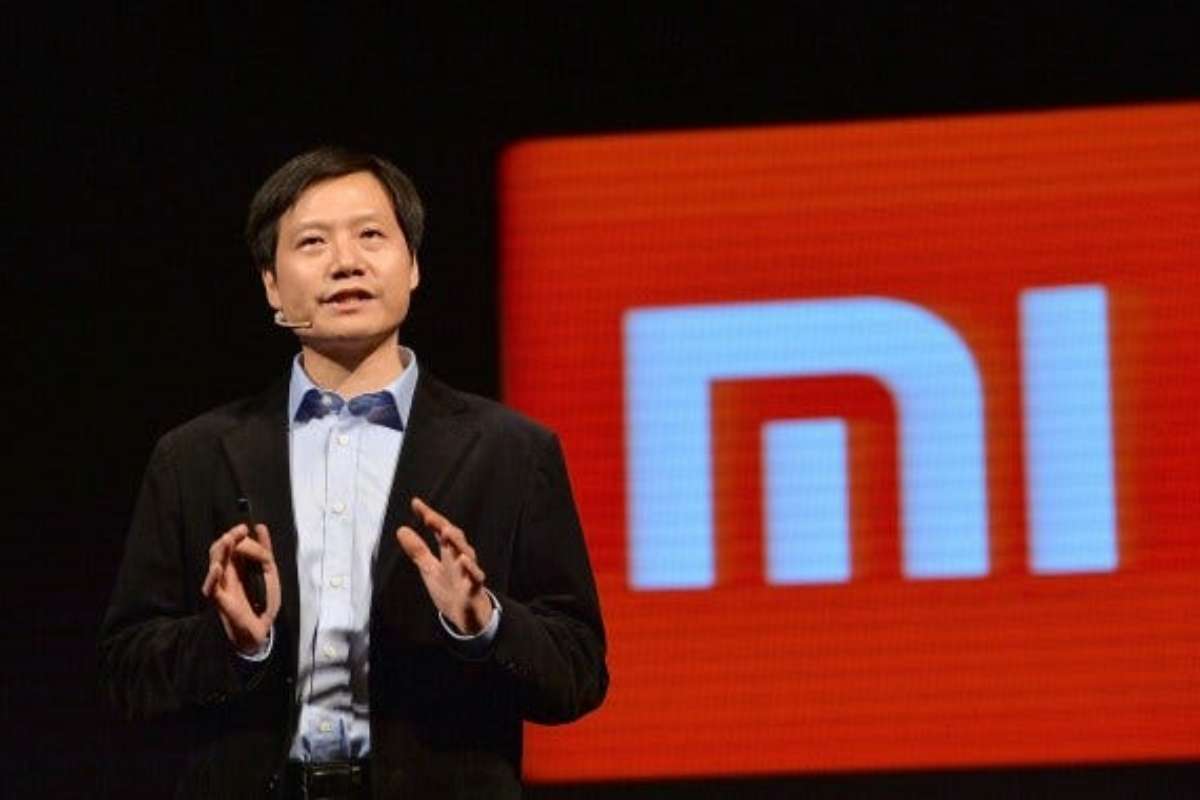
The announcement, made by CEO Lei Jun, comes at a time when technology giants worldwide are accelerating their investments in AI infrastructure and capabilities. For Xiaomi, the commitment signals not just participation, but a desire to compete at scale in building next-generation technologies.
The company’s leadership emphasized that AI will serve as a foundational pillar across its ecosystem, influencing everything from consumer electronics to future innovations. This strategic pivot aligns with broader industry trends, where AI is increasingly seen as the backbone of digital transformation and competitive advantage.
New AI Models and Young Talent Drive Innovation
Alongside its investment announcement, Xiaomi has been actively advancing its AI capabilities with the introduction of new large-scale models, including its MiMo-V2-Pro system. The model represents a significant step forward in the company’s efforts to develop advanced generative AI and intelligent computing systems.
A notable aspect of Xiaomi’s AI push is its focus on building a young, highly skilled talent base. The company has assembled a new generation of AI researchers and engineers, many of whom come from top academic institutions and bring strong expertise in machine learning and data science.
This team is expected to play a crucial role in accelerating Xiaomi’s AI roadmap, enabling faster development cycles and more innovative applications. By combining fresh perspectives with deep technical knowledge, Xiaomi aims to create AI systems that are both scalable and deeply integrated into its product ecosystem.
The company is also working toward embedding AI across its wide range of offerings, including smartphones, smart home devices, and its growing electric vehicle segment. This integrated approach could enable seamless user experiences, where devices communicate intelligently and adapt to user behavior in real time.
Market Confidence and Long-Term Vision
The announcement has strengthened investor confidence, with market reactions indicating optimism about Xiaomi’s long-term growth trajectory. Analysts view the Xiaomi $8.7 billion AI investment as a as a critical step in diversifying the company’s revenue streams and reducing reliance on traditional hardware sales.
However, the scale of the investment also highlights the challenges ahead. Xiaomi is simultaneously expanding into capital-intensive sectors such as electric vehicles, raising questions about how effectively it can balance multiple high-growth initiatives while maintaining profitability.
Despite these challenges, the company’s leadership remains focused on building a future driven by interconnected technologies. AI is expected to act as the glue that binds its ecosystem together, enhancing functionality, personalization, and efficiency across products.
Industry experts suggest that Xiaomi’s success will depend on its ability to execute this vision consistently over the coming years. If successful, the Xiaomi $8.7 billion AI investment could position the company as a key innovator in AI-powered consumer technology, strengthening its standing in an increasingly competitive global market.
As the race for AI dominance intensifies, Xiaomi’s multi-billion-dollar commitment underscores a broader reality: the future of technology will be shaped not just by hardware, but by the intelligence that powers it.