Key Points:
- Altman declares ChatGPT “code red”
- Google Gemini 3 heats rivalry
- OpenAI halts projects for speed gains
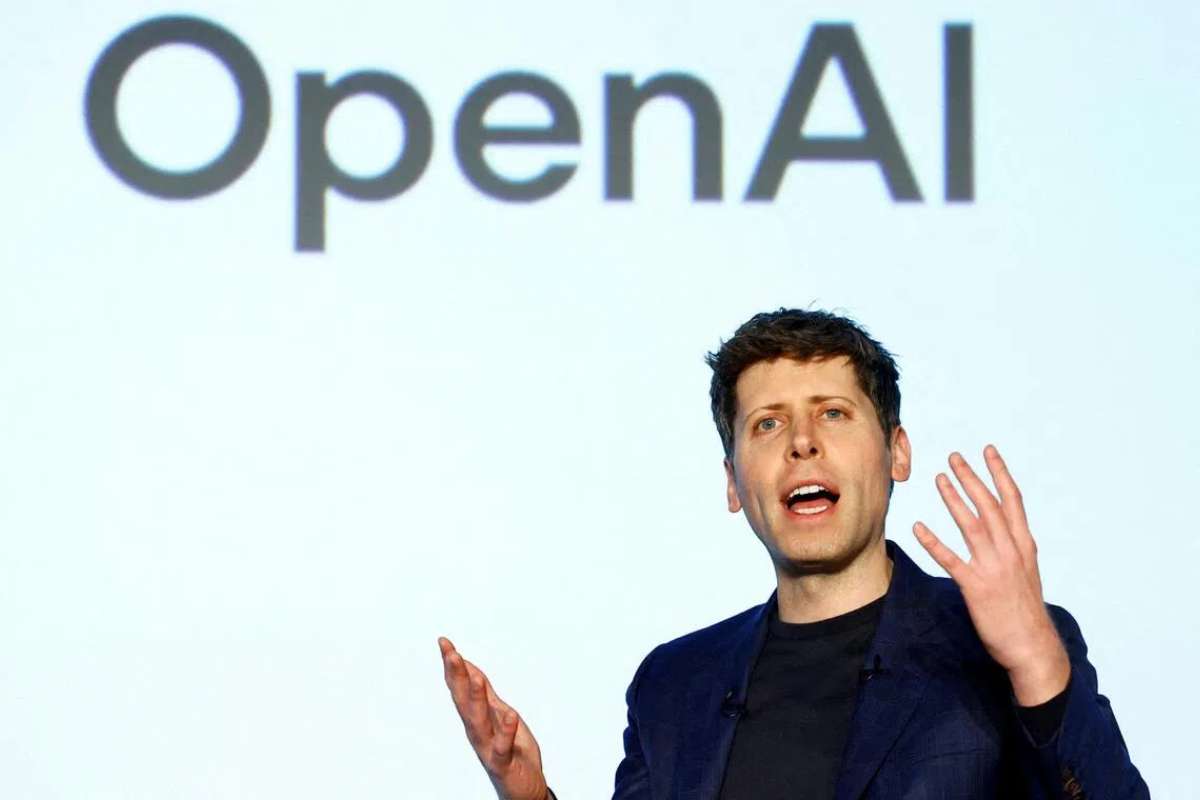
OpenAI CEO Sam Altman has issued an internal “code red,” directing teams to urgently focus on upgrading ChatGPT amid mounting competitive pressure in the AI landscape. The directive, delivered through an internal memo, instructs employees to temporarily halt several projects and redirect their efforts entirely toward improving ChatGPT’s speed, reliability, accuracy, and overall user experience.
As part of this reorientation, OpenAI has paused the rollout of advertising features within ChatGPT, development of AI assistants tailored for shopping and health, and a planned personal assistant called “Pulse.” These shifts reflect the company’s recognition that ChatGPT must evolve quickly to stay ahead in performance and capability as competitors accelerate their own advancements.
Although ChatGPT has remained one of the most widely adopted AI tools globally, company leadership believes significant upgrades are essential to keep pace. Sam Altman’s “code red” underscores OpenAI’s determination to avoid stagnation at a time when user expectations and industry benchmarks are rapidly evolving.
Google’s Advancing Gemini Model Intensifies Competition
A major factor behind this urgent recalibration is the rapid progress of Google’s latest AI model, Gemini 3. The system has recently made strides in performance metrics, raising concern within OpenAI about its potential to surpass ChatGPT in several key areas.
The situation echoes a similar moment from three years ago, when Google declared its own internal “code red” after the sudden breakout success of ChatGPT. Now, with roles reversed, OpenAI appears to be responding with equal urgency to emerging signs that the competition is closing in.
Gemini’s strengthened multimodal abilities, improved reasoning skills, and growing user traction have reshaped the competitive dynamics of the AI market. The model’s surge has also prompted broader discussions about the shifting balance of power in the AI sector, where leadership can change quickly with each breakthrough. For OpenAI, maintaining its advantage requires decisive action, and the renewed focus on ChatGPT suggests the company recognizes the stakes.
A Strategic Reset with High Stakes for the Future
Under Sam Altman’s “code red” directive, OpenAI is consolidating its resources to accelerate improvements to ChatGPT. Teams are now working under shortened timelines to enhance the chatbot’s contextual memory, reduce latency, increase accuracy across complex queries, and improve overall responsiveness across platforms.
Pausing nonessential initiatives is expected to fast-track these upgrades. However, it also highlights the broader challenges OpenAI faces—such as rising infrastructure costs, the need for greater personalization, and the pressure to continually innovate in a fast-moving market.
Industry analysts say the coming months will be critical. OpenAI’s ability to deliver rapid improvements could determine whether ChatGPT maintains its position as a market leader or loses ground to rivals like Google. With the AI ecosystem becoming increasingly competitive, Sam Altman’s “code red” moment signals a decisive turning point for the company.
The internal urgency reflects a broader reality: the global AI landscape is entering a new phase, where innovation speed, product quality, and strategic focus will determine which platforms shape the future of intelligent assistants.