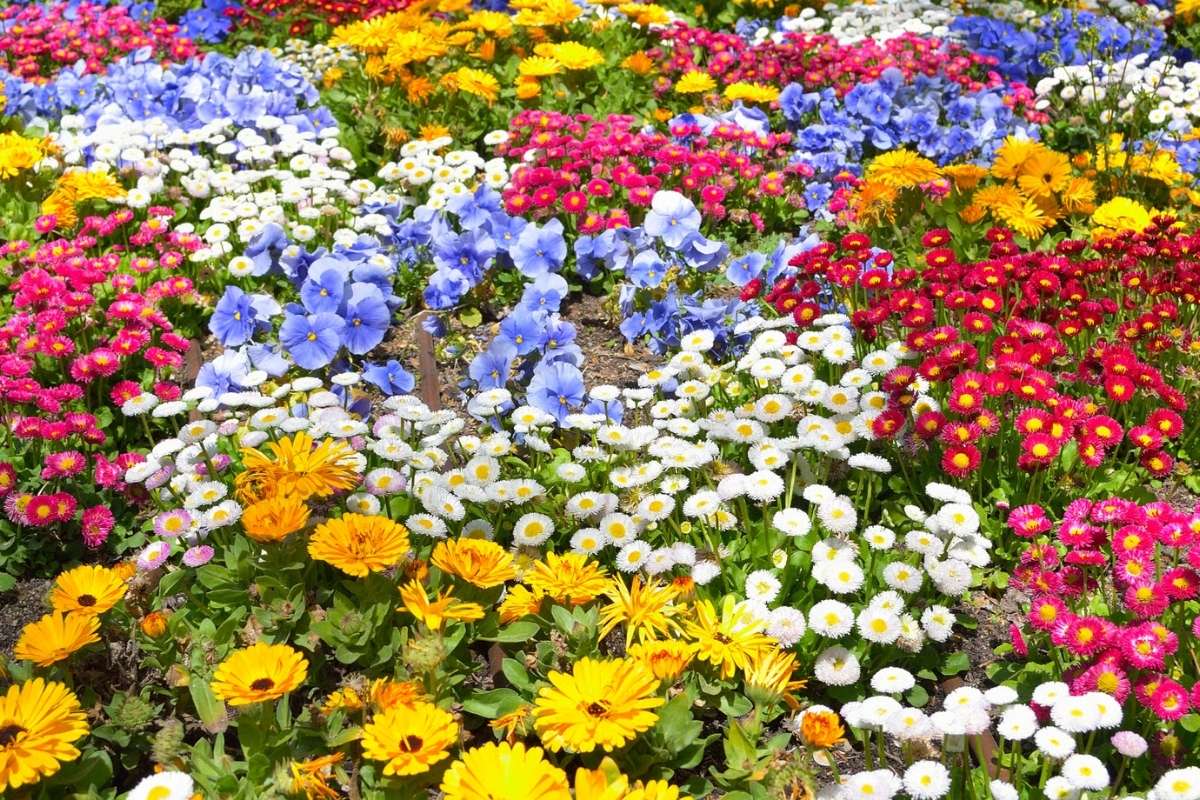
Consider a living calendar in which the rhythmic unfolding of petals, instead of clocks, is used to measure time. Nature continuously repaints its landscape in a changing, breathtaking cycle. Spanning from the stubborn pop of a crocus through winter snow to the sun-drenched glow of autumn marigolds.
Understanding natural seasonal flowers is more than just aesthetics; it’s the key to cooperating with the pulse of the planet. Accepting seasonality guarantees vibrancy and sustainability, whether you’re a gardener looking for a year-round haven or a planner searching for the freshest local flowers.
What are Natural Seasonal Flowers?
Natural seasonal flowers are blooms that emerge during specific windows of the year. They are dictated by a plant’s biological clock and environmental cues, like daylight hours, temperature, and moisture levels.
Scientifically, this is governed by phenology. The study of periodic life cycle events. Plants have evolved to bloom when conditions maximize their survival and reproductive success. Such as aligning with the peak activity of specific pollinators.
Unlike “forced” greenhouse flowers or imported blooms. They are chemically treated or climate-controlled to be available year-round. The natural flowers are harvested in harmony with local ecosystems. This makes them more fragrant, resilient, and environmentally sustainable, as they require fewer resources and less transportation to reach your vase.
Why Do Natural Seasonal Flowers Matter?
Environmental Benefits
Choosing natural seasonal flowers protects our planet. These blooms align with local water and temperature cycles. They require far less artificial irrigation or chemical intervention. By planting in season, you provide vital corridors for native pollinators like bees and butterflies, strengthening the local food web.
Economic and Practical Benefits
From a practical standpoint, seasonal flowers offer superior value. Because they grow in abundance locally. They are significantly cheaper and fresher than imported varieties. Their natural resilience makes them the ideal choice for sustainable landscaping and long-lasting event decor.
Cultural & Traditional Importance
Flowers are the language of our heritage. Many cultures celebrate this seasonal rhythm. Such as the vibrant marigolds used in Indian winter festivities or the cherry blossoms marking spring. These blooms ground our celebrations in a specific time and place.
Here’s a List of 50 Natural Seasonal Flowers:
To simplify understanding, we’ve carefully divided 50 natural seasonal flowers into four distinct seasons, making it easier to explore blooms based on when they naturally thrive.
| Rank | Flower | Season |
| 1 | Tulip | Spring |
| 2 | Daffodil | |
| 3 | Sweet Pea | |
| 4 | Ranunculus | |
| 5 | Narcissus | |
| 6 | Lilac | |
| 7 | Anemone | |
| 8 | Peony | |
| 9 | Snapdragons | |
| 10 | Zinnias | |
| 11 | Lilies of the Valley | |
| 12 | Roses | |
| 13 | Marigold | Summer |
| 14 | Sunflower | |
| 15 | Cosmos | |
| 16 | Gladiolus | |
| 17 | Hydrangea | |
| 18 | Dahlia | |
| 19 | Portulaca | |
| 20 | Gomphrena | |
| 21 | Zinnia | |
| 22 | Balsam | |
| 23 | Hibiscus | |
| 24 | Celosia | |
| 25 | Petunia | |
| 26 | Chrysanthemum | Autumn |
| 27 | Aster | |
| 28 | Helenium | |
| 29 | Dahlias (late season) | |
| 30 | Marigold | |
| 31 | Calendula | |
| 32 | Sedum | |
| 33 | Sunflower (late season) | |
| 34 | Snapdragons (late) | |
| 35 | Rudbeckia | |
| 36 | Goldenrod | |
| 37 | Cosmos (late) | |
| 38 | Poinsettia | Winter |
| 39 | Hellebores | |
| 40 | Winter Jasmine | |
| 41 | Amaryllis | |
| 42 | Waxflower | |
| 43 | Camellia | |
| 44 | Cyclamen | |
| 45 | Paperwhites | |
| 46 | Winter Heather | |
| 47 | Holly | |
| 48 | Stock | |
| 49 | Anemone | |
| 50 | Iris |
Spring Flowers: The Season of Rebirth
Spring blooms are defined by delicate textures and soft pastels.
1. Tulip
- Scientific Name: Tulipa
- Fun Fact: Tulip petals are actually edible and can be used as a colorful substitute for onions in many recipes.
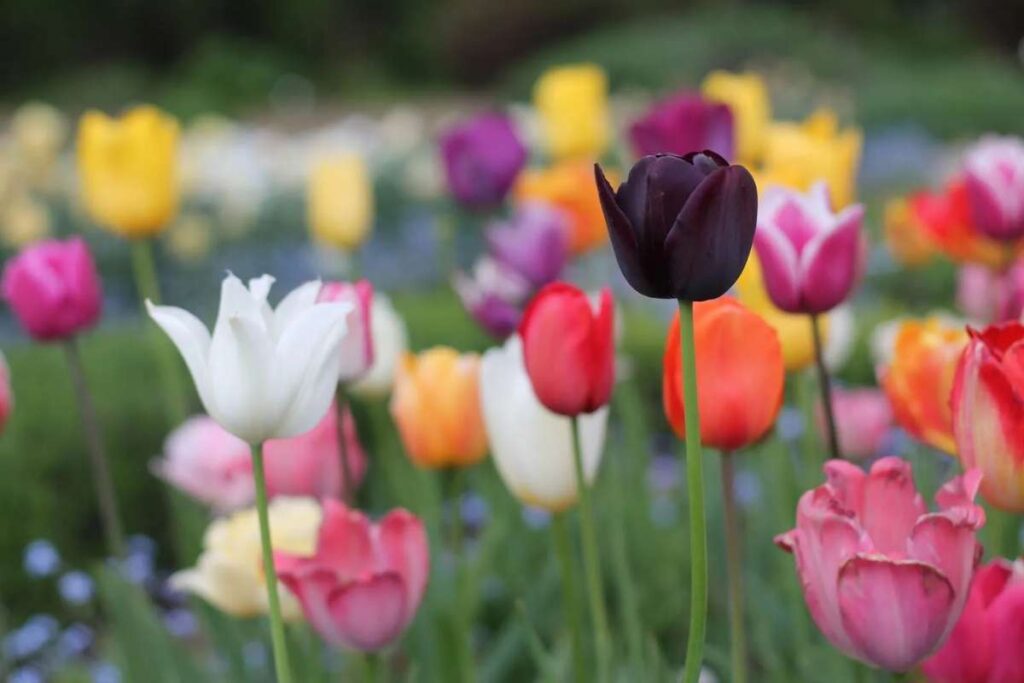
Tulips are one of the most iconic spring blooms, known for their elegant cup-shaped petals and bright, cheerful colors. They are a top choice among natural seasonal flowers for gardens and bouquets because they bloom abundantly in spring. Tulips thrive in well-drained soil and full sunlight, making them easy to grow. Gardeners love tulips for their versatility. They can be planted in rows, borders, or pots. These seasonal flowers are also popular in floral arrangements for festivals and celebrations. Tulips symbolize renewal and happiness, aligning perfectly with the theme of spring.
2. Daffodil
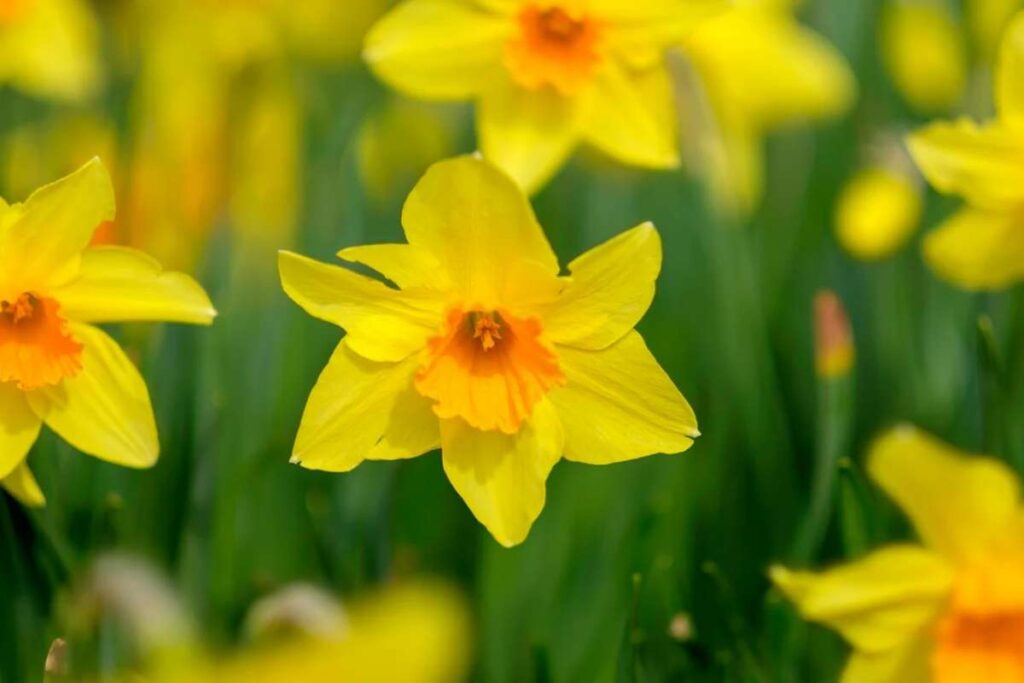
- Scientific Name: Narcissus
- Fun F/act: In Wales, it is said that the person to find the first daffodil of the season will be blessed with more gold than silver.
Daffodils are classic natural season flowers that herald the arrival of spring. With their bright yellow trumpets and delicate petals, they instantly brighten any garden. These flowers are hardy, easy to cultivate, and naturalize well over the years. Daffodils are also great for attracting bees and other pollinators, supporting local ecosystems. Known for symbolizing new beginnings and hope, daffodils are widely used in bouquets and seasonal decorations. As natural season flowers, they require minimal care and flourish in both urban and rural gardens.
3. Sweet Pea
- Scientific Name: Lathyrus odoratus
- Fun Fact: Known for their intense fragrance, they were the favorite flower of the Edwardian era.
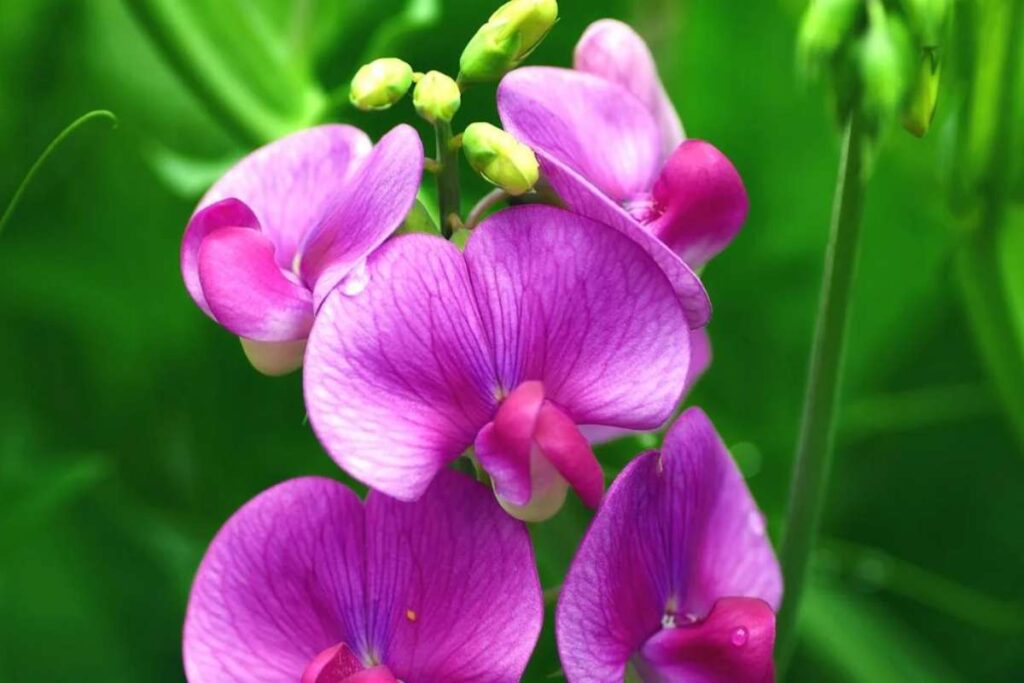
Sweet peas are fragrant climbing flowers, often found in spring gardens as part of seasonal flower collections. Their pastel shades and pleasant aroma make them favorites for trellises, fences, and hanging baskets. Sweet peas thrive in cool spring temperatures and need sunlight for optimal blooming. They are also excellent cut flowers for bouquets and floral arrangements. These flowers are easy to grow from seeds and attract beneficial insects to the garden. Sweet peas symbolize delicate beauty, making them ideal for gifting or seasonal decoration.
4. Ranunculus
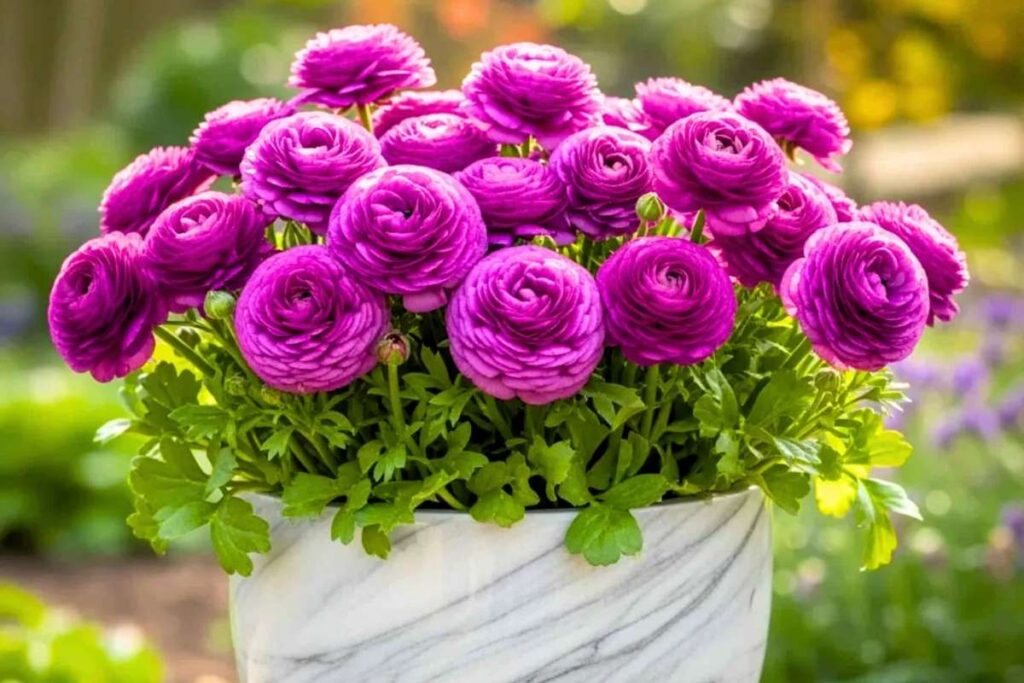
- Scientific Name: Ranunculus asiaticus
- Fun Fact: Often called “the rose of the spring,” their name translates to “little frog” in Latin because they often grow near water.
Ranunculus is a vibrant, multi-petaled flower, popular among natural season flowers for its rich colors and delicate texture. These blooms flourish in spring, preferring sunny spots and well-drained soil. Ranunculus flowers are commonly used in wedding bouquets and professional floral arrangements because of their stunning appearance. They are also excellent for home gardens, where they create a colorful focal point. As part of natural seasonal flowers, ranunculus represents charm and radiance. Their long-lasting blooms make them a favorite for indoor and outdoor decoration.
5. Narcissus
- Scientific Name: Narcissus papyraceus
- Fun Fact: Unlike most daffodils, paperwhites don’t require a cold dormancy period to bloom.
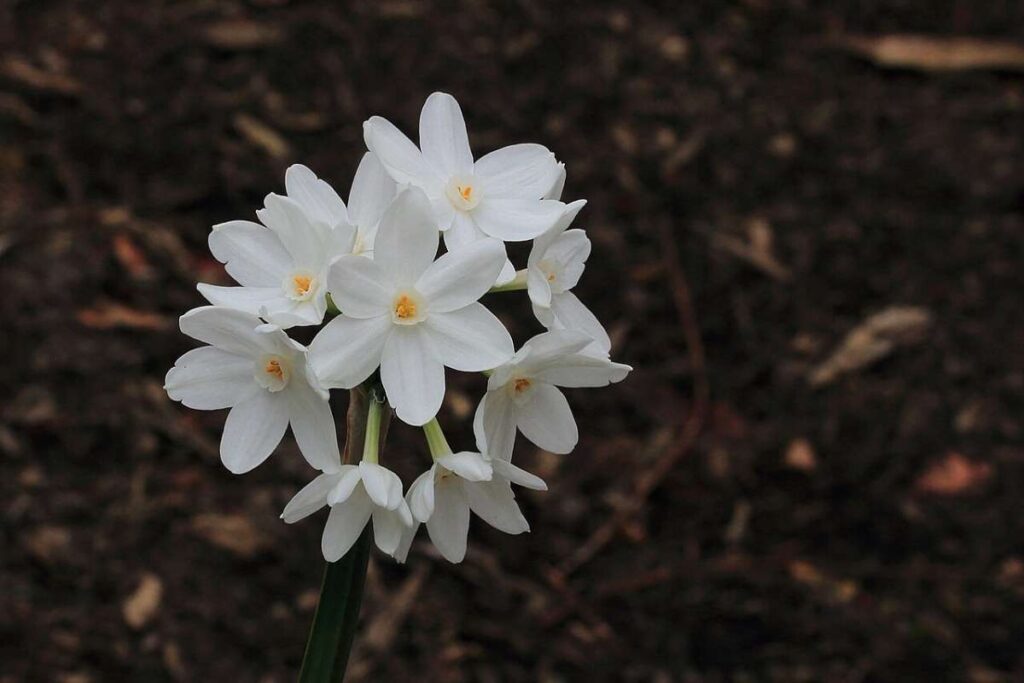
Narcissuses are classic natural season flowers that bloom in early spring. They have slender stems and clusters of small, fragrant white flowers. Paperwhites thrive in pots and gardens, needing bright but indirect sunlight. These flowers are low-maintenance, making them ideal for beginner gardeners. They are also widely used in indoor floral displays, bringing a touch of freshness to homes. As natural season flowers, narcissus symbolize rebirth and new beginnings, making them a springtime favorite.
6. Lilac
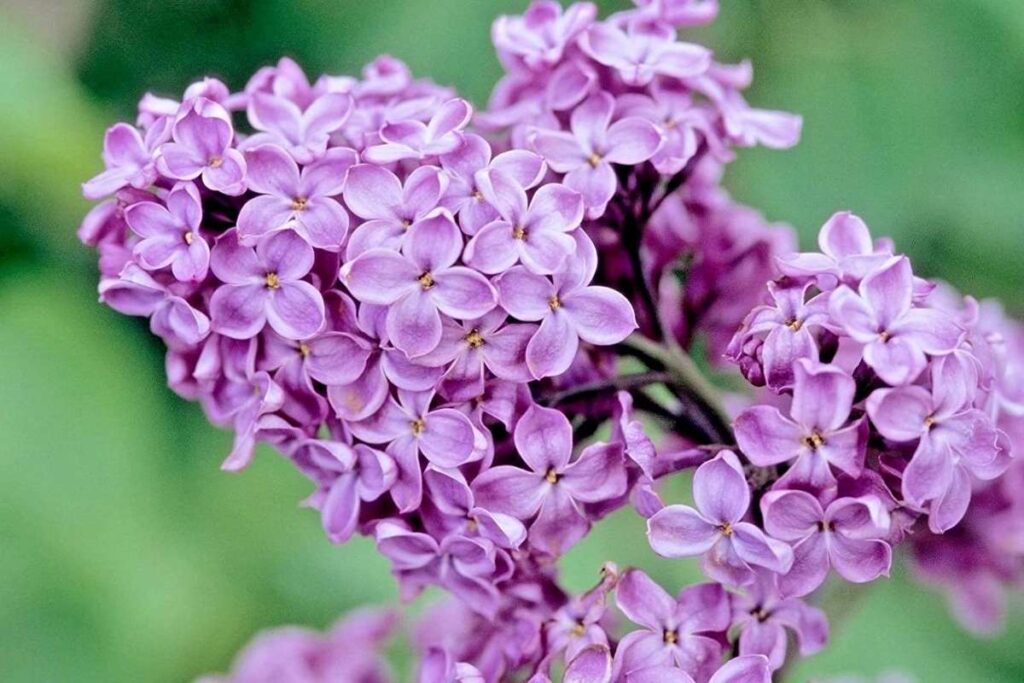
- Scientific Name: Syringa
- Fun Fact: Lilacs belong to the olive family (Oleaceae) and symbolize the first emotions of love.
Lilacs are woody shrubs known for their clusters of fragrant flowers, making them highly prized natural seasonal flowers. They bloom in late spring, offering shades of purple, pink, and white. Lilacs prefer full sunlight and well-drained soil and are commonly used in gardens, parks, and as decorative hedges. Their scent is captivating, attracting butterflies and bees. Lilacs are also symbolic in cultural traditions, representing renewal and the beauty of seasonal change. These flowers are easy to care for and bring a fresh look to any spring garden.
7. Anemone
- Scientific Name: Anemone coronaria
- Fun Fact: Also known as “windflowers,” they close up at night to protect their pollen from moisture.
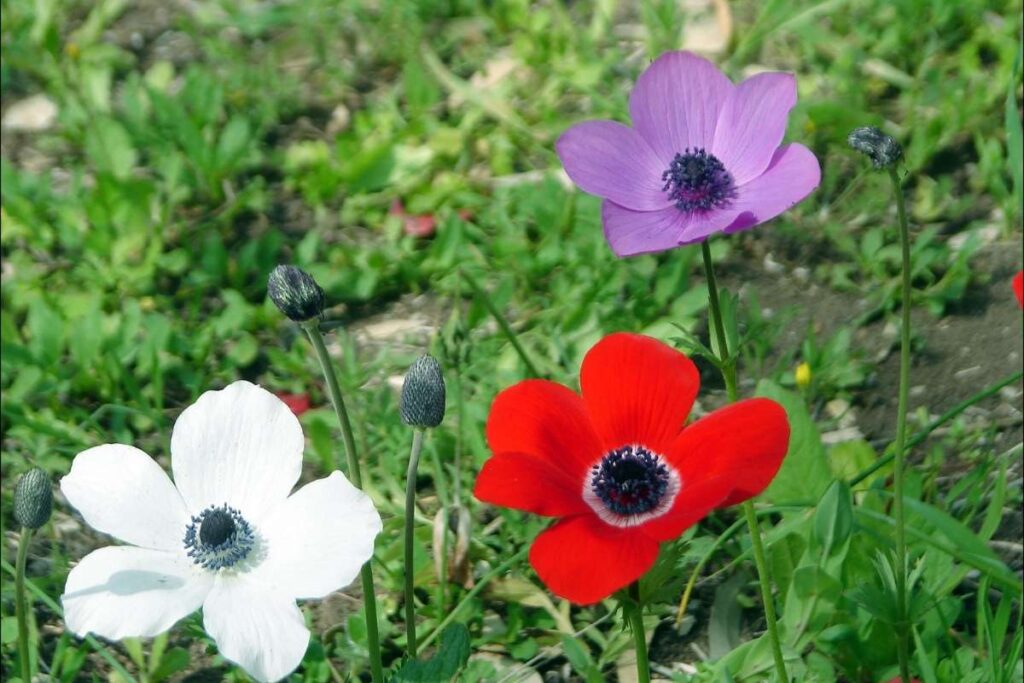
Anemones are delicate, colorful, seasonal flowers that flourish in spring. They feature soft, poppy-like petals in red, purple, pink, and white. These flowers are ideal for garden beds, borders, or containers, and they provide excellent cut flowers for floral arrangements. Anemones grow best in cool spring temperatures and need well-drained soil to thrive. They symbolize protection and anticipation, adding charm and elegance to any landscape. Their vibrant colors brighten gardens naturally during the spring season.
8. Peony
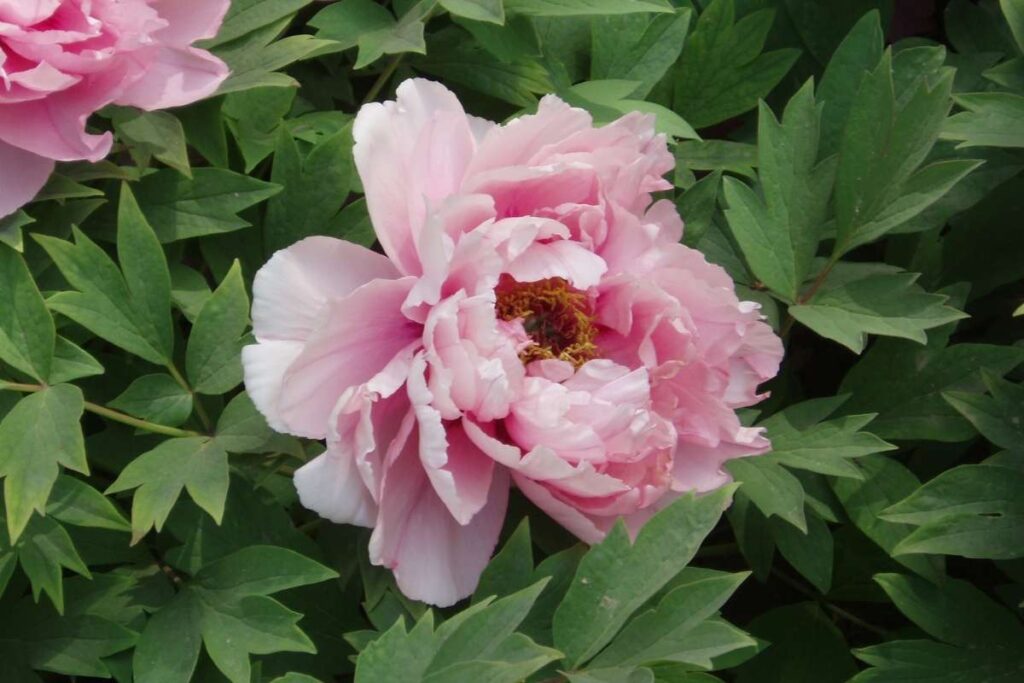
- Scientific Name: Paeonia
- Fun Fact: Peony plants can live to be over 100 years old and still produce blooms.
Peonies are lush, full-bodied, natural seasonal flowers with large, fragrant blooms. They bloom in late spring and are adored for their delicate petals and vibrant colors. Peonies require sunlight and well-drained soil to flourish and are perfect for gardens, flower beds, and seasonal arrangements. Their long lifespan and repeated bloom cycles make them ideal natural season flowers for gardeners seeking beauty and longevity. Peonies are also symbolic of prosperity and romance, often featured in weddings and celebrations.
9. Snapdragons
- Scientific Name: Antirrhinum
- Fun Fact: If you squeeze the sides of the flower, the “mouth” snaps shut, hence the name.
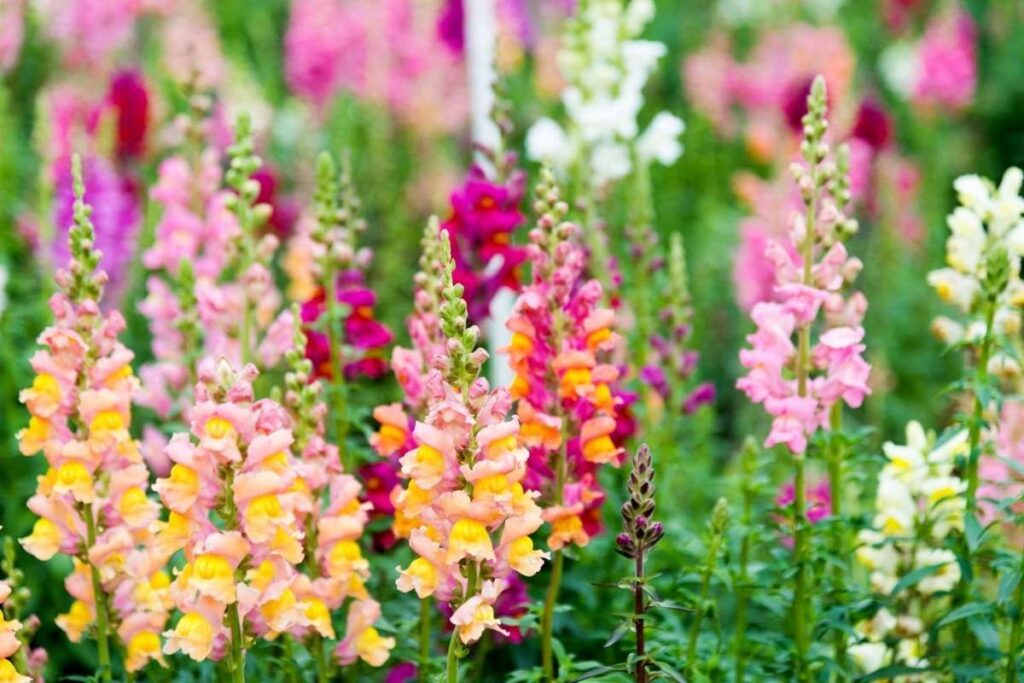
Snapdragons are tall, colorful seasonal flowers with uniquely shaped blooms that resemble a dragon’s mouth. They are easy to grow in spring and thrive in well-drained soil and full sun. Snapdragons are excellent for garden borders, beds, and container planting. They are also popular for cutting, making them a versatile choice among natural seasonal flowers. Their vibrant colors and vertical growth pattern bring depth and variety to any garden or floral display. Snapdragons symbolize strength and grace in seasonal arrangements.
10. Zinnias
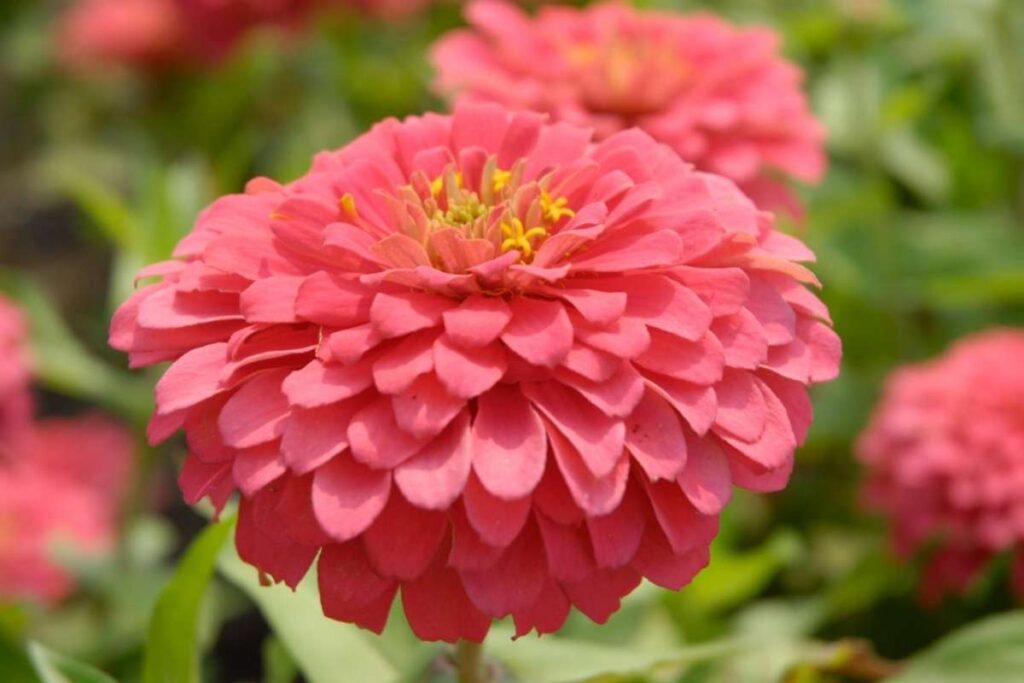
- Scientific Name: Zinnia elegans
- Fun Fact: Zinnias were the first flowers grown in space on the International Space Station.
Zinnias are bright, cheerful, seasonal flowers perfect for spring gardens. They bloom in a range of colors, including red, pink, orange, yellow, and white. Zinnias attract butterflies and pollinators, supporting healthy garden ecosystems. These flowers are easy to grow from seeds and thrive in full sunlight, making them popular among home gardeners. As natural flowers, zinnias are ideal for cut arrangements, borders, and beds, providing long-lasting color and charm. They symbolize lasting affection and friendship.
11. Lily of the Valley
- Scientific Name: Convallaria majalis
- Fun Fact: This was the flower of choice for Queen Elizabeth II’s coronation bouquet.
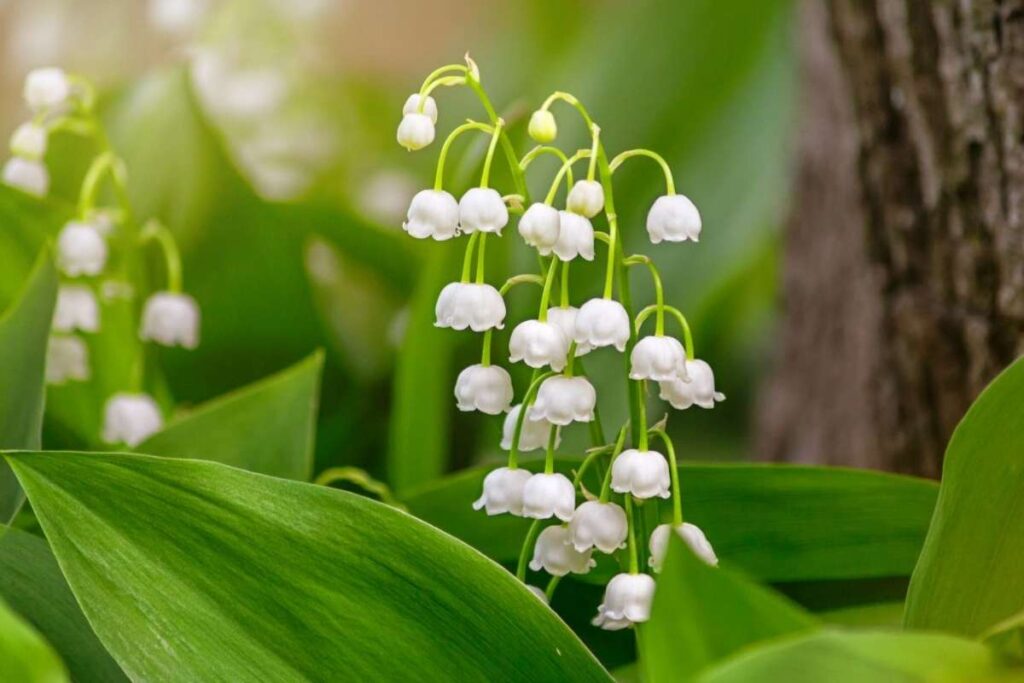
Lilies of the Valley are fragrant, delicate, natural, seasonal flowers that bloom in spring. They feature tiny bell-shaped flowers along slender stalks, adding elegance to gardens and bouquets. These flowers prefer partial shade and moist, well-drained soil. Lilies of the Valley are often used in wedding arrangements and seasonal decorations because of their sweet scent and delicate appearance. These flowers symbolize purity, happiness, and new beginnings.
12. Roses
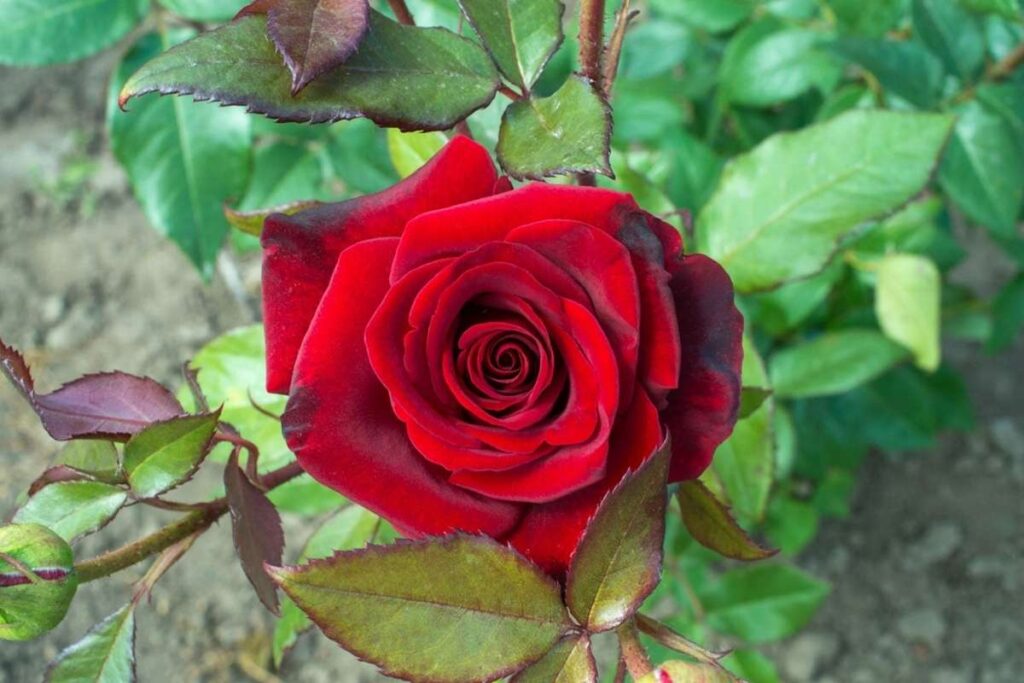
- Scientific Name: Rosa
- Fun Fact: Rose hips (the fruit) contain more Vitamin C than almost any other fruit or vegetable.
Roses are timeless flowers celebrated for their beauty, fragrance, and symbolism. Spring roses bloom in diverse colors and varieties, from classic reds to soft pastels. They thrive in well-drained soil and full sunlight and are perfect for gardens, landscapes, and cut flower arrangements. Roses attract pollinators and enhance the visual appeal of any outdoor space. These flowers symbolize love, passion, and elegance, making them essential in floral culture and seasonal gardening.
Summer Flowers: Heat and Brilliance
These resilient blooms thrive under intense sunlight and longer days.
13. Marigold
- Scientific Name: Tagetes
- Fun Fact: Their pungent scent helps naturally deter garden pests like aphids and mosquitoes.
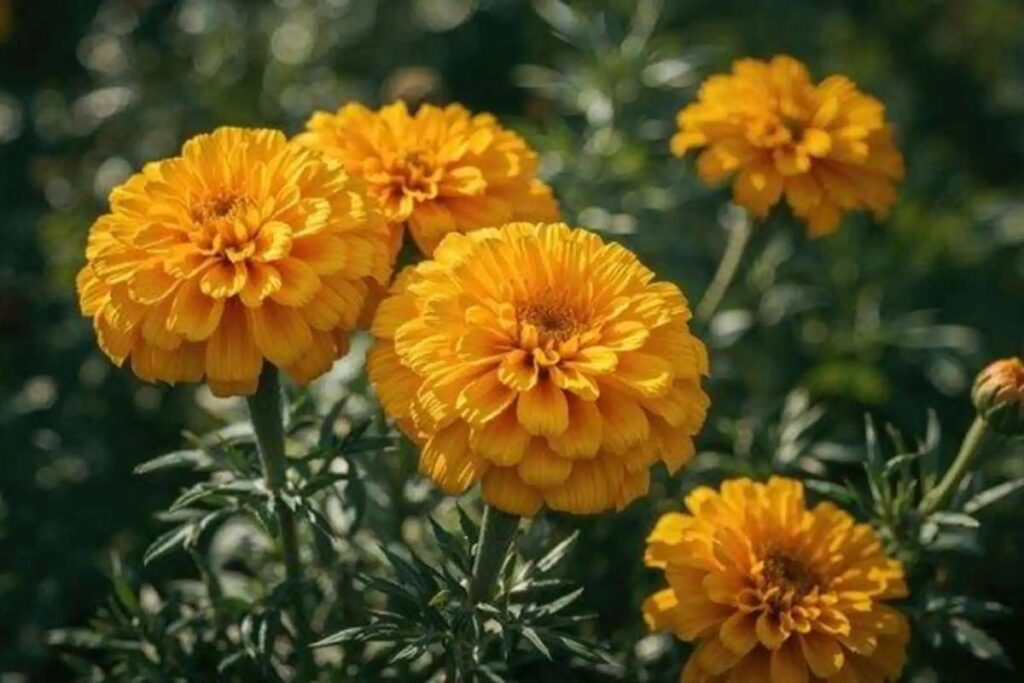
Marigolds are vibrant, natural seasonal flowers that flourish in summer heat. Their bright orange and yellow blooms instantly brighten gardens and outdoor spaces. They are low-maintenance, thrive in full sun, and are excellent for borders, pots, and flower beds. Marigolds are also known for their natural pest-repelling properties, making them practical, natural, seasonal flowers for eco-friendly gardening. Widely used in festivals and celebrations, they symbolize warmth, creativity, and positivity. Their long-lasting blooms make them a summer favorite.
14. Sunflower
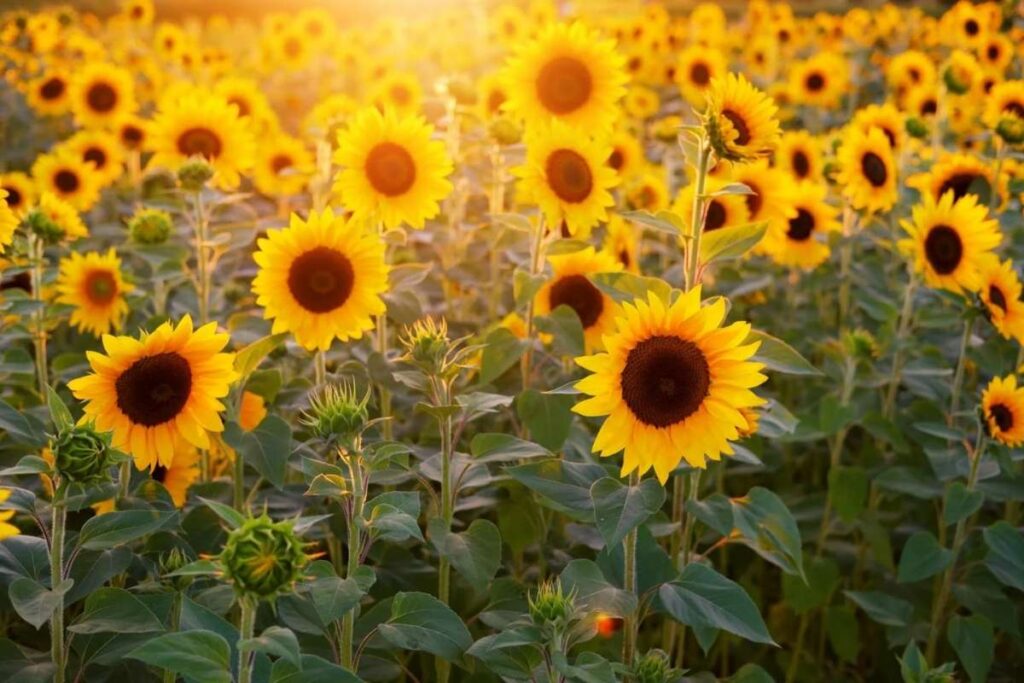
- Scientific Name: Helianthus annuus
- Fun Fact: Young sunflowers exhibit “heliotropism,” meaning they literally track the sun from east to west throughout the day.
Sunflowers are iconic natural seasonal flowers that symbolize energy and positivity. With their tall stems and large golden heads, they create stunning focal points in gardens and fields. Sunflowers thrive in full sunlight and well-drained soil and attract pollinators like bees and butterflies. These blooms are versatile for landscaping, cut flowers, and natural décor. As natural season flowers, they are easy to grow and resilient, thriving even in hot summer months. Sunflowers are a perfect representation of summer’s vibrant energy.
15. Cosmos
- Scientific Name: Cosmos bipinnatus
- Fun Fact: Their name comes from the Greek word for “order” or “harmony” because of their perfectly spaced petals.
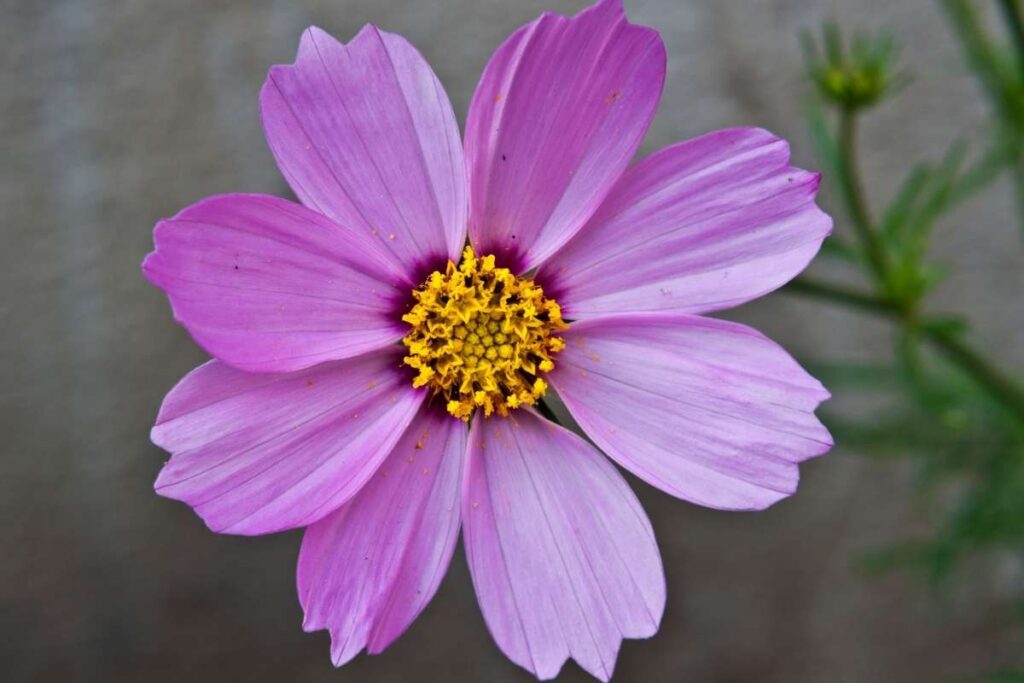
Cosmos are delicate, daisy-like flowers that thrive in the summer sun. Available in pink, white, and purple shades, they are excellent for garden beds, borders, and wildflower mixes. Cosmos attract butterflies and beneficial insects, supporting local ecosystems. These flowers are easy to grow from seeds and bloom prolifically in warm weather, making them popular natural flowers. Their graceful appearance and low-maintenance growth make them ideal for summer gardens. Cosmos symbolize harmony and order in nature.
16. Gladiolus
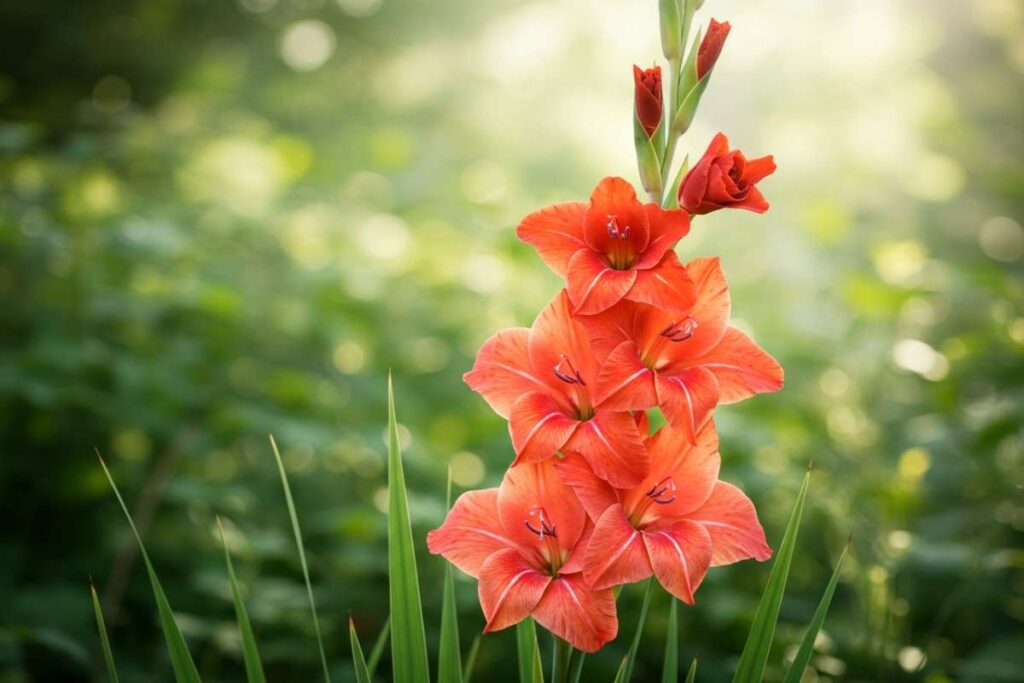
- Scientific Name: Gladiolus
- Fun Fact: Also known as the “Sword Lily,” they were given to Roman Gladiators to signify strength and integrity.
Gladiolus are striking seasonal flowers known for their tall spikes and brightly colored blooms. They are perfect for adding height and drama to garden beds, borders, and floral arrangements. Gladiolus thrive in full sun and well-drained soil, making them ideal natural season flowers for summer planting. Their large, elegant blooms are often used in events and bouquets, symbolizing strength, honor, and integrity. With proper care, gladiolus can bloom repeatedly throughout the season.
17. Hydrangea
- Scientific Name: Hydrangea macrophylla
- Fun Fact: The flower color can change based on the pH level of the soil, blue for acidic and pink for alkaline.
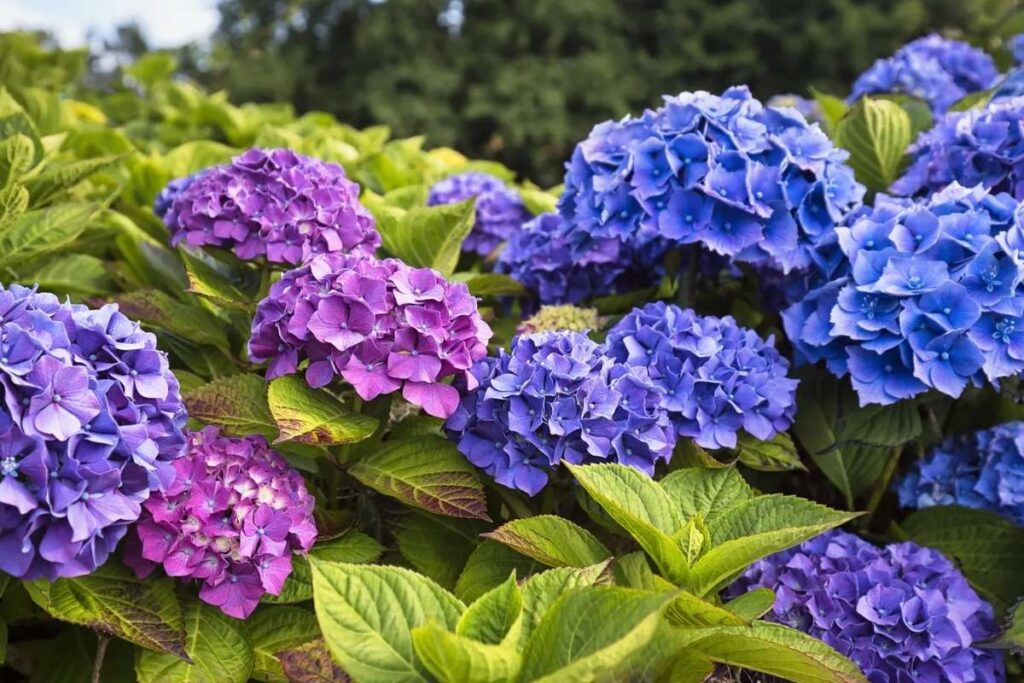
Hydrangeas are lush flowers with large, globe-shaped clusters of blooms in blue, pink, white, and purple. They thrive in summer when provided with adequate water and partial sunlight. Hydrangeas are versatile, suitable for gardens, hedges, and container planting. Their impressive blooms make them popular seasonal flowers for bouquets and decorative displays. Hydrangeas symbolize grace and abundance, adding elegance and color to any summer landscape.
18. Dahlia
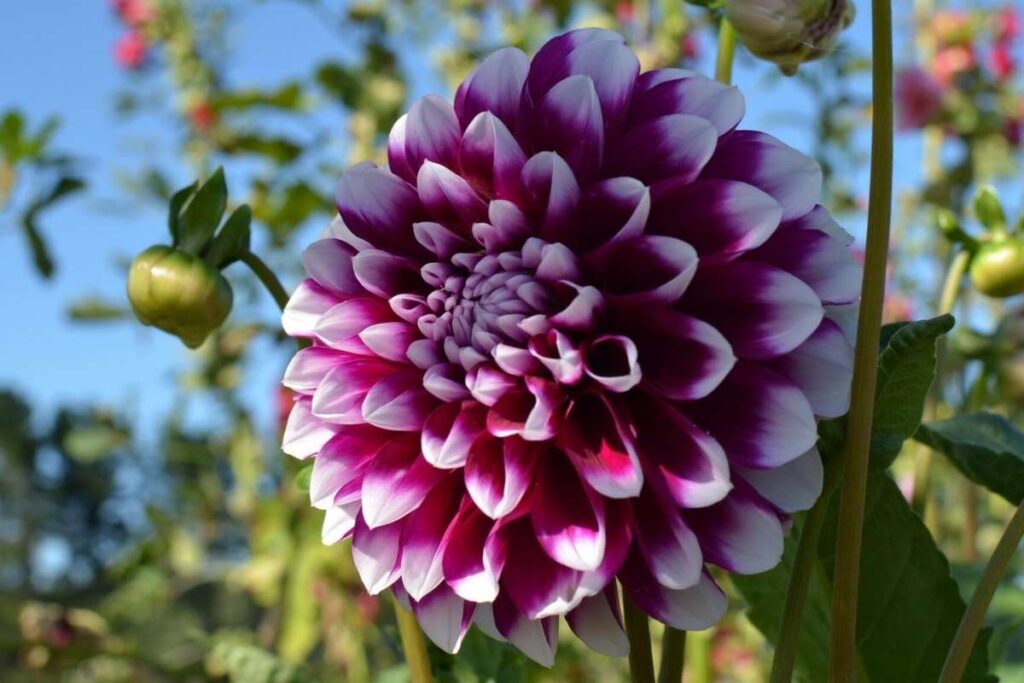
- Scientific Name: Dahlia hortensis
- Fun Fact: In the 1800s, dahlias were actually grown as a food crop for their edible tubers.
Dahlias are stunning flowers prized for their layered petals and variety of vibrant colors. They thrive in summer and full sun, producing long-lasting blooms that improve gardens and flower beds. Dahlias are also excellent for cut arrangements, making them versatile, natural seasonal flowers for décor and gifting. With proper care, they can bloom continuously throughout the season. These flowers symbolize dignity and creativity, making them a favorite among gardeners and florists alike.
19. Portulaca
- Scientific Name: Portulaca grandiflora
- Fun Fact: These “moss roses” only open their blooms in bright sunlight and close during cloudy weather.
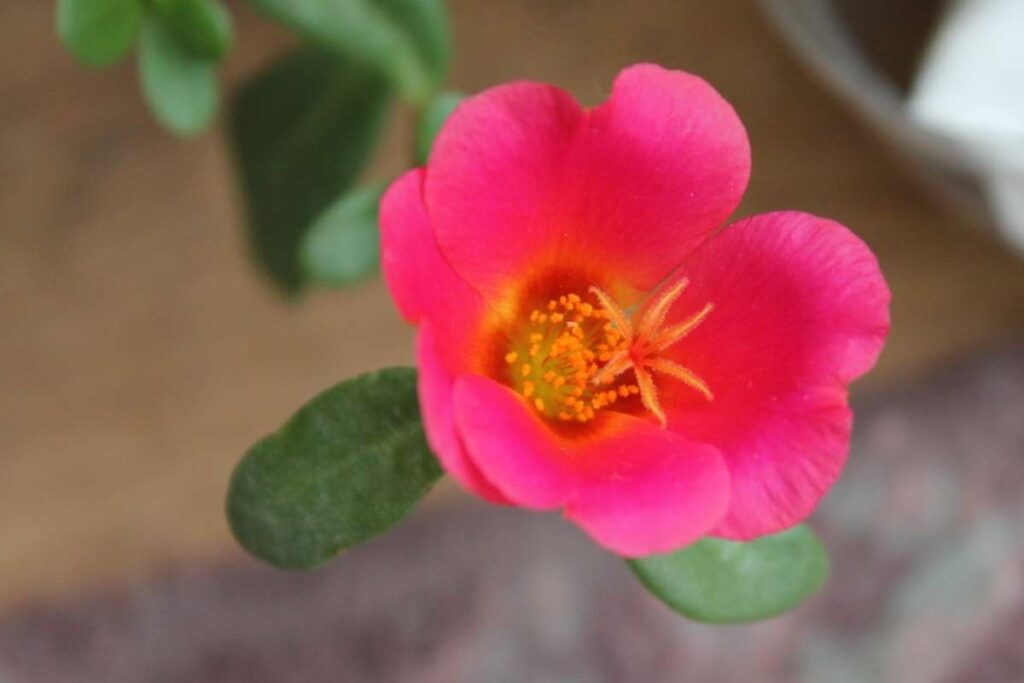
Portulaca, also known as moss rose, is a hardy, low-maintenance flower that thrives in hot, dry summer conditions. Its small, bright blooms spread across the ground, creating colorful carpets in gardens and pots. Portulaca attracts pollinators and requires minimal watering, making it one of the most practical natural season flowers for summer gardens. These cheerful blooms symbolize resilience and adaptability. Their vibrant colors add instant charm to any sunny outdoor space.
20. Gomphrena
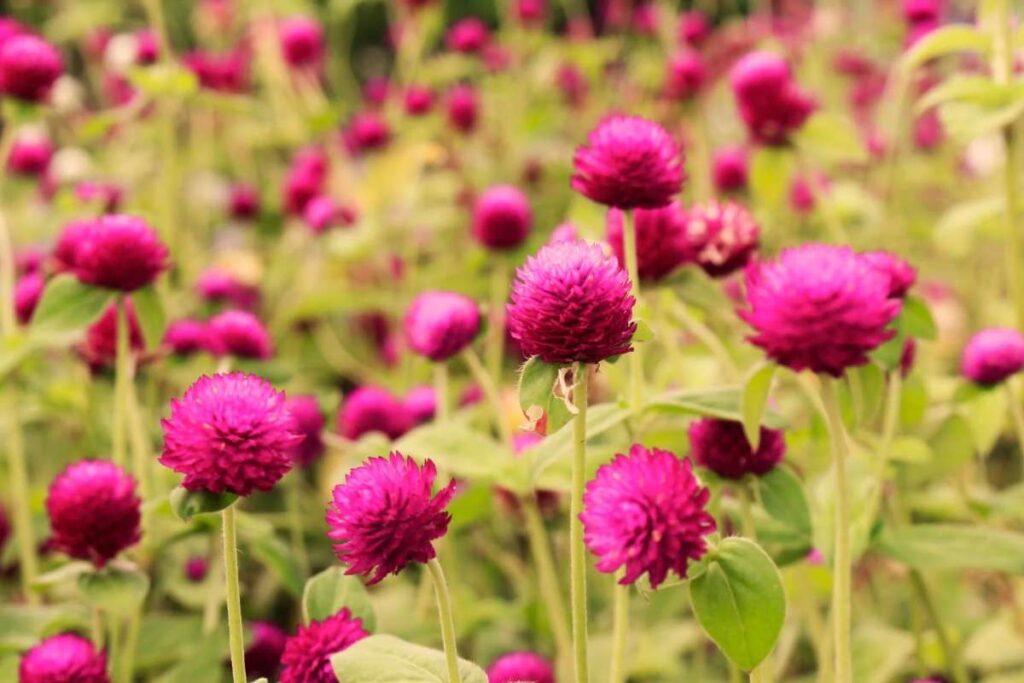
- Scientific Name: Gomphrena globosa
- Fun Fact: Also called “Globe Amaranth,” these flowers maintain their color long after being dried.
Gomphrena, or globe amaranth, is a long-lasting flower known for its globe-shaped blooms in purple, pink, and white. It thrives in hot summer climates and well-drained soil, making it perfect for garden beds, borders, and container planting. Gomphrena is also ideal for dried flower arrangements because the blooms retain color when dried. These natural seasonal flowers symbolize immortality and longevity, adding both beauty and practicality to summer gardens.
21. Zinnia
- Scientific Name: Zinnia peruviana
- Fun Fact: They are highly attractive to butterflies and are often used as “anchor” plants in pollinator gardens.
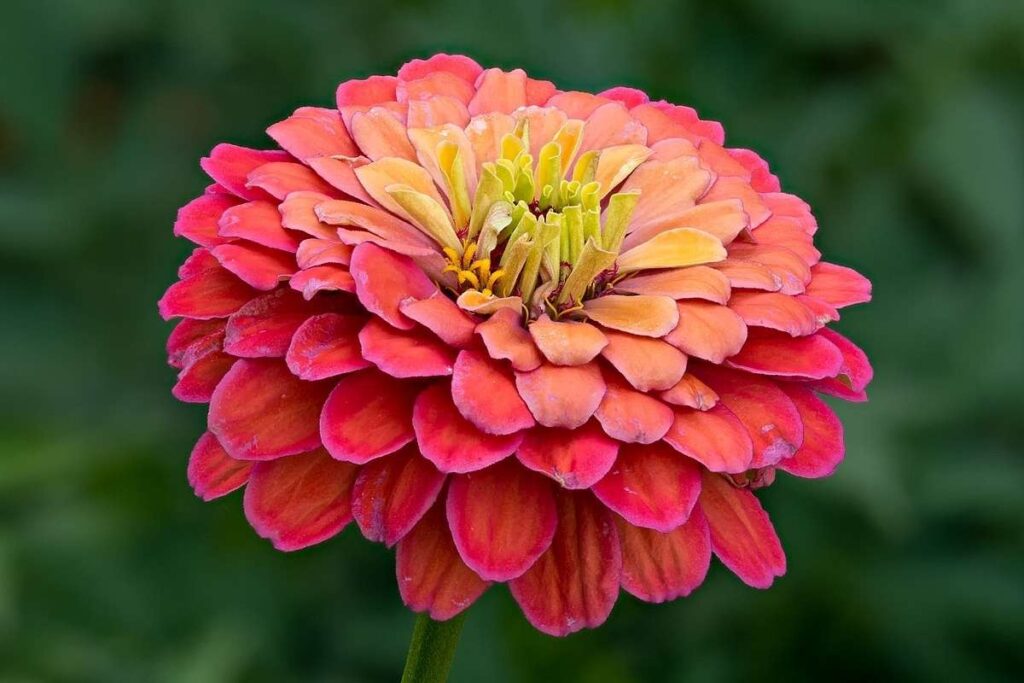
Zinnias are colorful, natural flowers that bloom profusely in the summer sun. They come in red, pink, orange, yellow, and white shades, making them perfect for garden beds, borders, and bouquets. Zinnias attract butterflies and pollinators, supporting a healthy garden ecosystem. They are easy to grow from seeds and require minimal care, making them reliable, natural, seasonal flowers. Zinnias symbolize lasting friendship and cheerful vibrancy in every summer garden.
22. Balsam
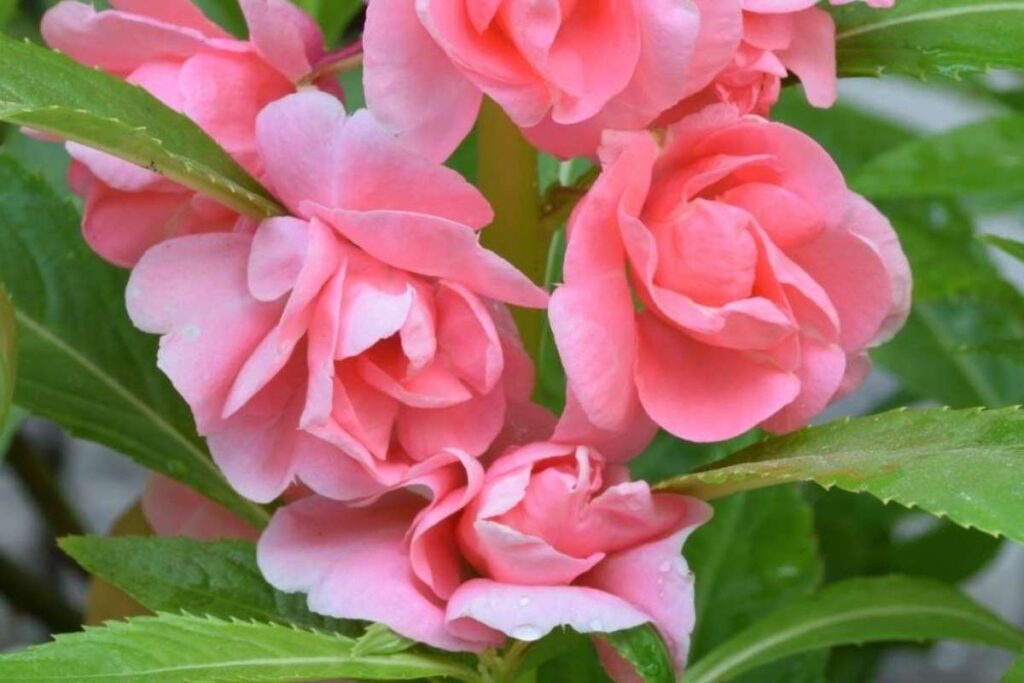
- Scientific Name: Impatiens balsamina
- Fun Fact: Their seed pods explode when touched, earning them the nickname “Touch-Me-Not.”
Balsam is a fragrant flower that thrives in warm, humid summer climates. Its colorful, soft petals make it ideal for garden beds, borders, and indoor arrangements. Balsam grows easily from seeds and attracts pollinators like bees and butterflies, supporting local biodiversity. These natural flowers are highly valued for both ornamental and cultural purposes, adding beauty and fragrance to summer spaces. They symbolize energy and vitality.
23. Hibiscus
- Scientific Name: Hibiscus rosa-sinensis
- Fun Fact: In many cultures, wearing a hibiscus behind the left ear indicates a woman is married.
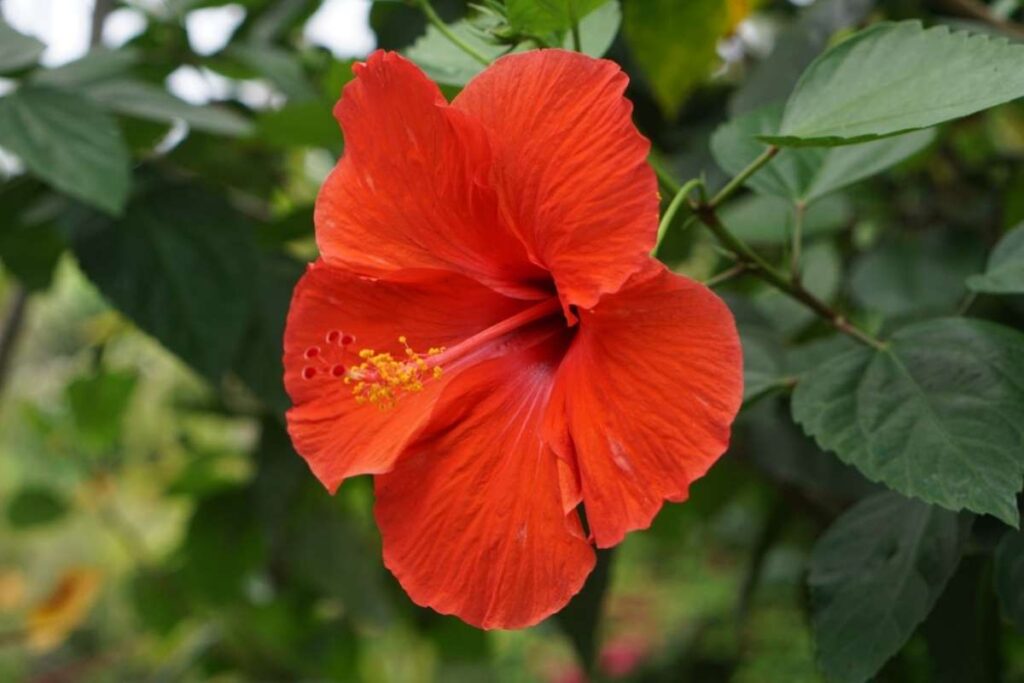
Hibiscus is a tropical seasonal flower that blooms beautifully during the summer months. Its large, vibrant petals come in red, pink, yellow, and white, making it a striking addition to gardens, patios, and floral arrangements. Hibiscus thrives in full sun and well-drained soil, producing long-lasting blooms. These flowers are also used in teas and natural remedies, adding both beauty and practicality. Hibiscus symbolizes delicate beauty and summer vitality.
24. Celosia
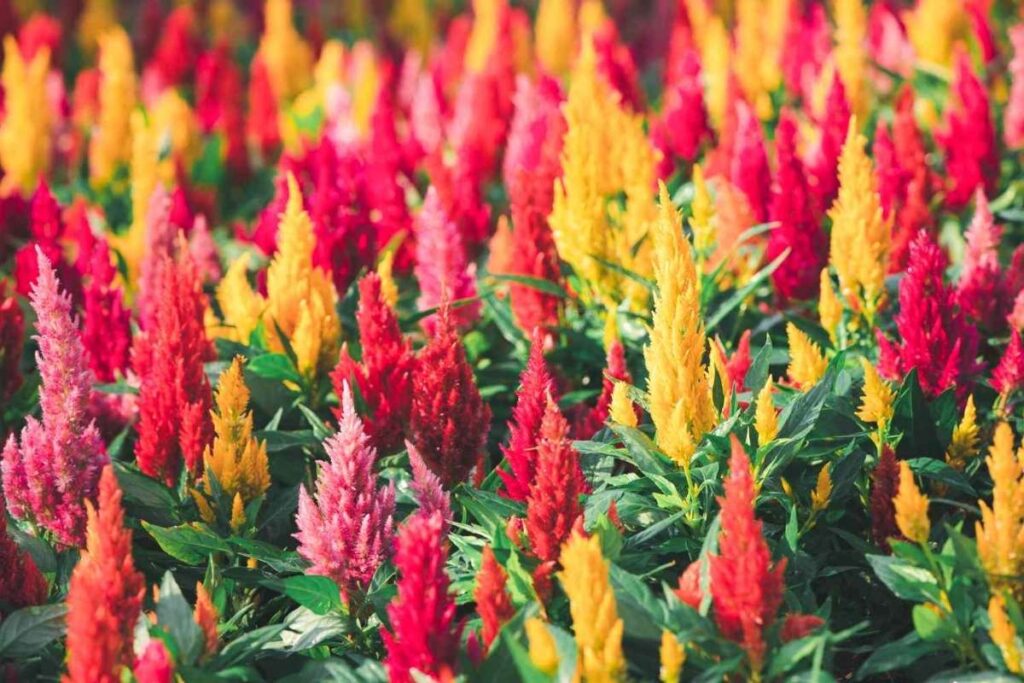
- Scientific Name: Celosia argentea
- Fun Fact: The name comes from the Greek word for “burned,” referring to the flame-like appearance of the flower heads.
Celosia is a unique natural seasonal flower with flame-like blooms in red, orange, and yellow. It thrives in hot summer conditions and well-drained soil, making it easy to grow in gardens and pots. Celosia is ideal for cutting and arrangements, offering texture and vibrancy. These flowers symbolize boldness and creativity. Their long-lasting blooms and striking appearance make them a summer favorite for gardeners and floral designers alike.
25. Petunia
- Scientific Name: Petunia × atkinsiana
- Fun Fact: Despite their delicate look, petunias are related to tobacco, tomatoes, and chili peppers.
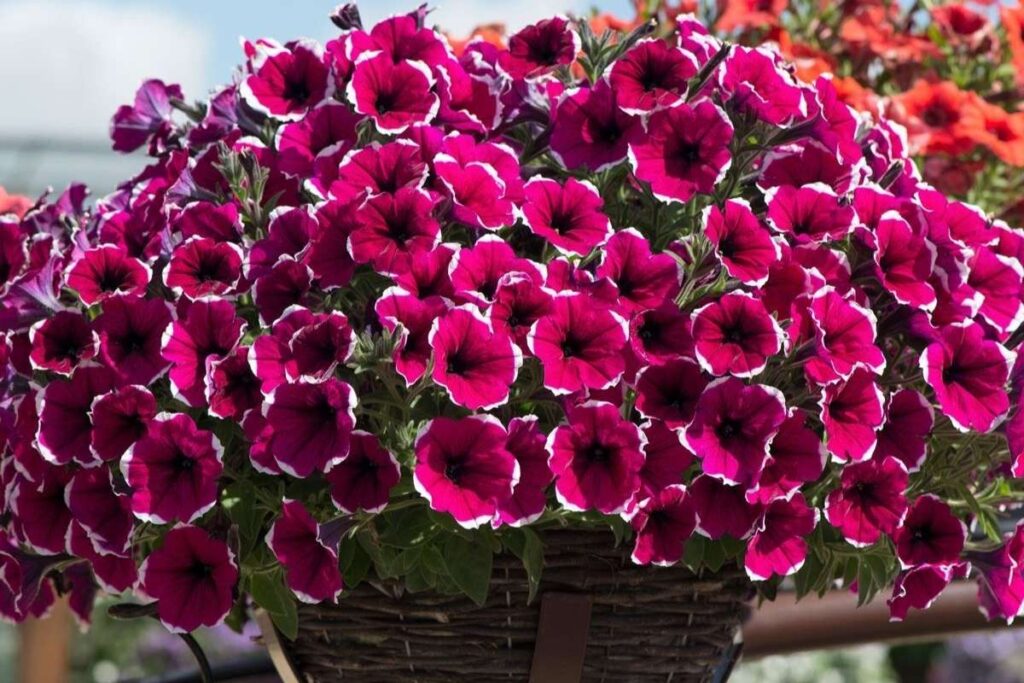
Petunias are versatile flowers that bloom abundantly in summer. Available in a variety of colors and patterns, they are perfect for garden beds, hanging baskets, and window boxes. Petunias thrive in full sun and well-drained soil, requiring minimal care. These flowers attract pollinators and bring lively color to any outdoor space. As natural season flowers, petunias symbolize soothing beauty and happiness, making them a reliable choice for summer gardening.
Autumn Flowers: The Earthy Palette
As the air cools, these flowers bring rich, deep tones to the landscape.
26. Chrysanthemum
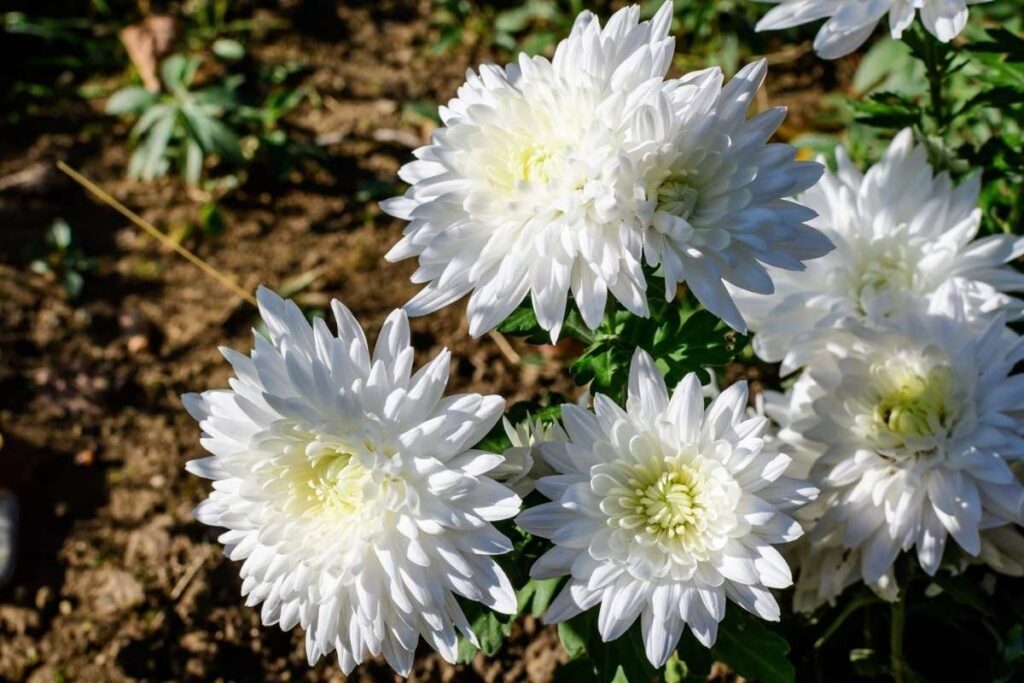
- Scientific Name: Chrysanthemum
- Fun Fact: In Japan, there is a “Festival of Happiness” dedicated entirely to this flower.
Chrysanthemums are classic natural seasonal flowers for autumn, known for their vibrant, full blooms in red, yellow, white, and purple. They thrive in cooler temperatures and well-drained soil, making them ideal for gardens and seasonal decorations. Chrysanthemums attract bees and butterflies, supporting the local ecosystem. They are widely used in floral arrangements, bouquets, and cultural festivals, symbolizing joy and longevity. These seasonal flowers are easy to care for, offering long-lasting color and charm to any autumn garden.
27. Aster
- Scientific Name: Asteraceae
- Fun Fact: They are an essential late-season nectar source for Monarch butterflies migrating south.
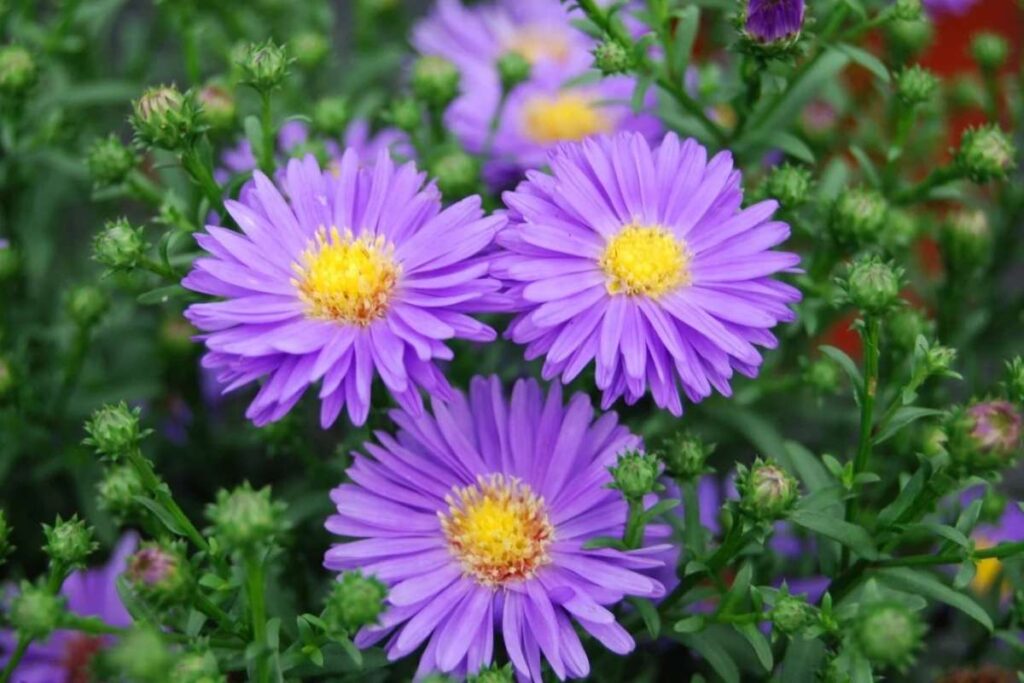
Asters are delicate, star-shaped natural flowers that bloom abundantly in autumn. They are perfect for garden beds, borders, and container planting, adding shades of purple, pink, and white to the seasonal landscape. Asters thrive in sunny locations with well-drained soil and attract pollinators like butterflies and bees. These seasonal flowers symbolize patience and elegance, brightening late-season gardens when many other flowers have faded. Their long-lasting blooms make them a reliable choice for autumn floral arrangements.
28. Helenium
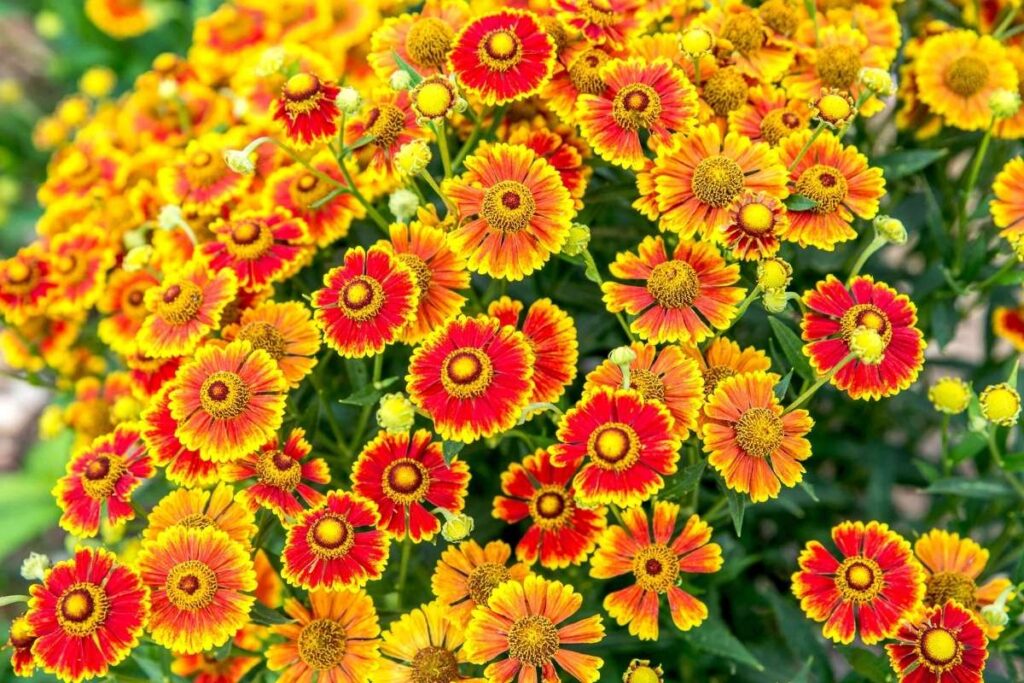
- Scientific Name: Helenium
- Fun Fact: Commonly called “Sneezeweed” because the dried leaves were once used to make snuff.
Helenium, also known as sneezeweed. It is a fiery seasonal flower with bright orange, red, and yellow blooms that shine in autumn gardens. They thrive in sunny areas with well-drained soil and are excellent for garden borders, beds, and bouquets. Helenium attracts pollinators, supporting biodiversity during fall. These natural flowers symbolize cheerfulness and resilience, adding warmth and depth to the cooler autumn months. They are easy to grow and offer vibrant color when other blooms are dwindling.
29. Dahlias
- Scientific Name: Dahlia
- Fun Fact: Late-season dahlias produce the most intense, saturated colors as the nights grow cooler.
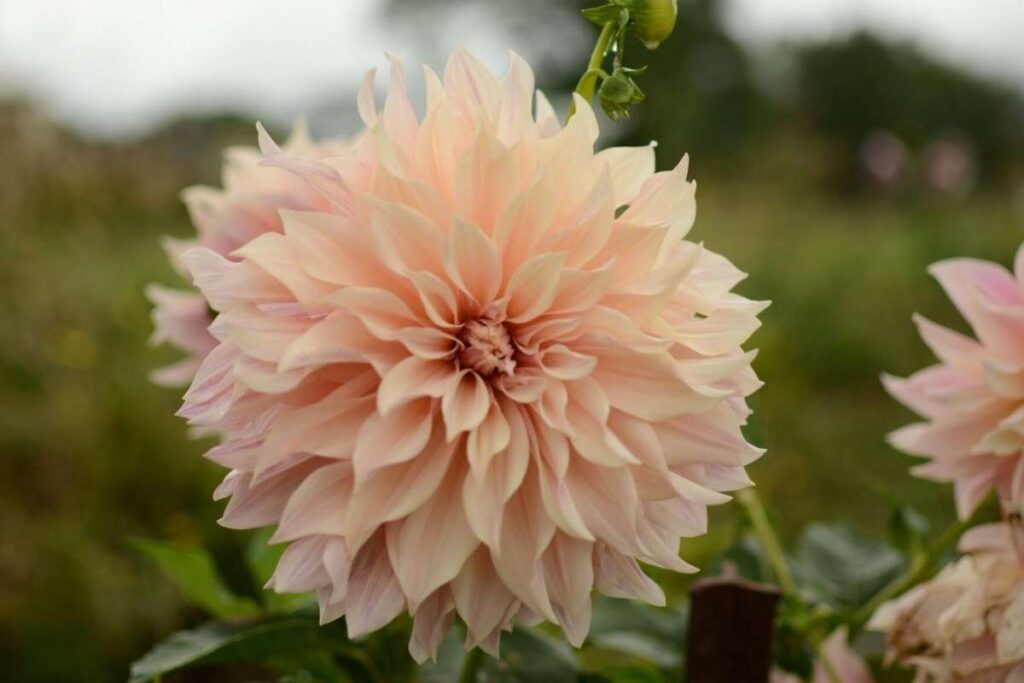
Late-blooming dahlias are striking natural flowers that extend summer’s beauty into autumn. Their large, layered petals come in a variety of bright colors and thrive in sunny, well-drained gardens. Dahlias are perfect for cut flowers, bouquets, and garden displays. These seasonal flowers symbolize dignity, creativity, and elegance. Late-season dahlias bring vibrancy and texture to autumn landscapes, making them a favorite for gardeners who want long-lasting, showy blooms.
30. Marigold
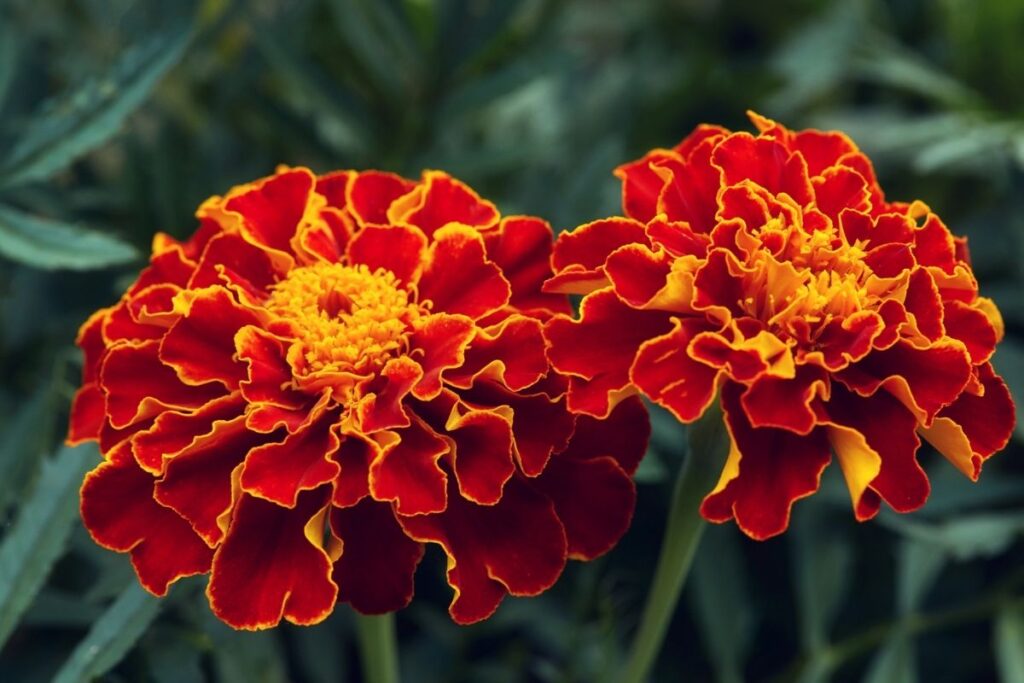
- Scientific Name: Tagetes erecta
- Fun Fact: These are the primary flowers used in Dia de los Muertos altars to guide spirits back home.
Autumn marigolds are hardy flowers that bring cheerful oranges and yellows to fall gardens. They thrive in full sun and well-drained soil, making them easy to cultivate. Marigolds are excellent for borders, beds, and container planting and are often used in cultural and festival decorations. These flowers also repel pests naturally, supporting healthy gardens. Their long-lasting blooms and vibrant colors make them an autumn favorite for gardeners and decorators alike.
31. Calendula
- Scientific Name: Calendula officinalis
- Fun Fact: Often called “Pot Marigold,” its petals have been used for centuries to heal skin wounds and burns.
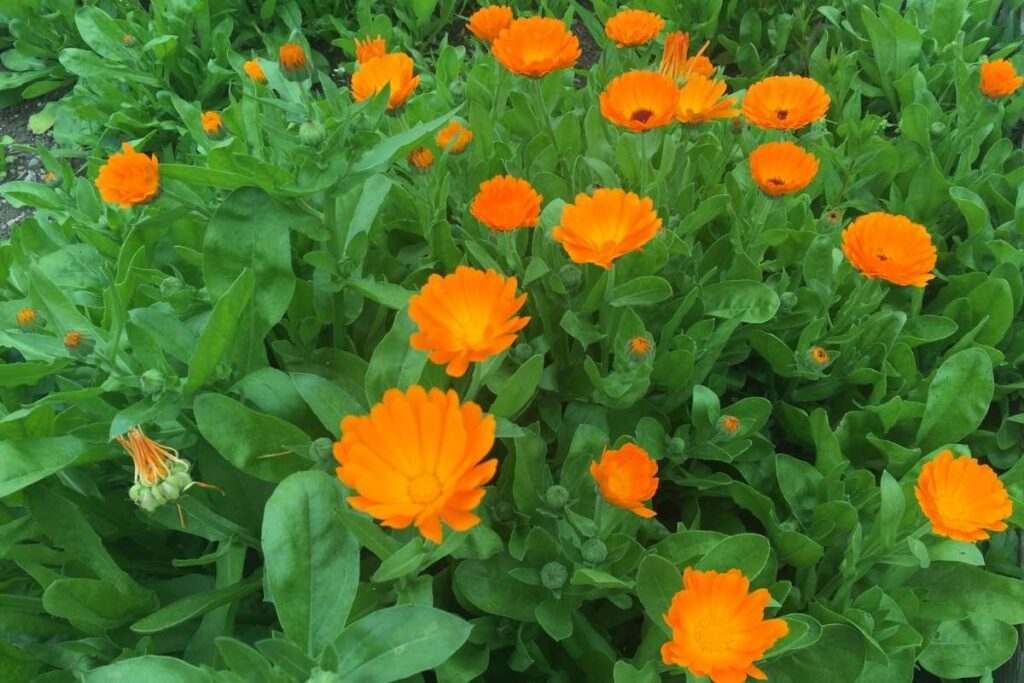
Calendula, or pot marigold, is a medicinal and ornamental seasonal flower that blooms brightly in autumn. Its cheerful yellow and orange petals are perfect for garden beds, borders, and bouquets. Calendula thrives in sunny locations and well-drained soil and attracts pollinators like bees and butterflies. These flowers are also used in herbal remedies, adding both beauty and practicality. Calendula symbolizes warmth and happiness, brightening gardens as the season transitions.
32. Sedum
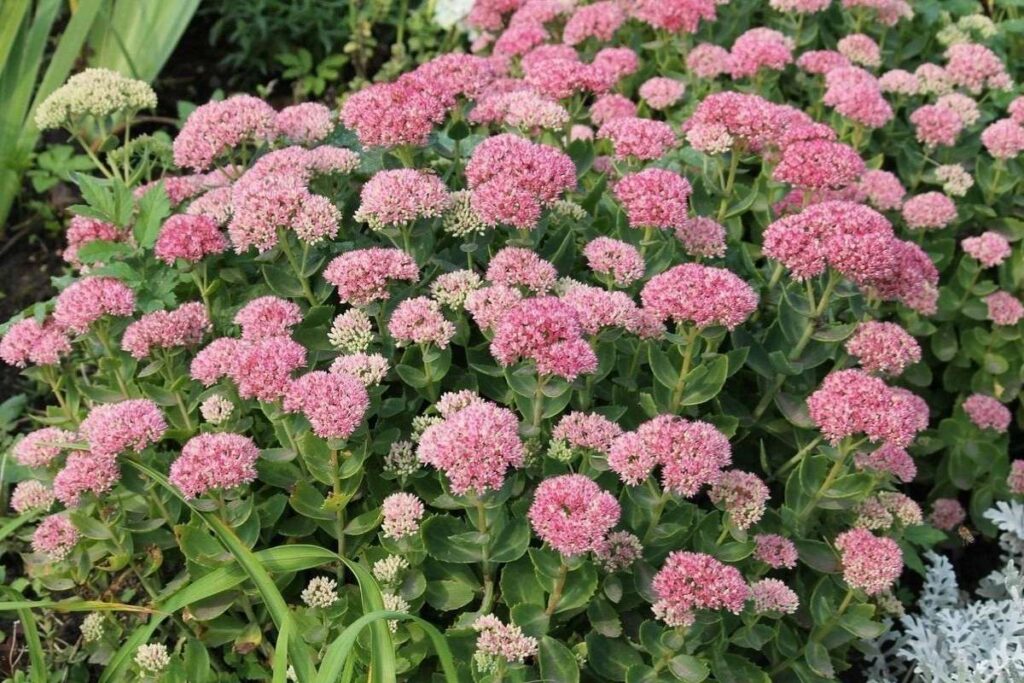
- Scientific Name: Sedum spectabile
- Fun Fact: These succulents are often called “Stonecrop” because they can grow on bare rocks or ledges.
Sedum, commonly called stonecrop, is a hardy succulent flower that blooms in autumn with pink, red, or white star-shaped flowers. They thrive in sunny, well-drained gardens and require minimal care. Sedum is excellent for borders, rock gardens, and container planting. As natural seasonal flowers, they symbolize resilience and adaptability. Their blooms attract pollinators and provide late-season color when many other flowers are fading.
33. Sunflower (late season)
- Scientific Name: Helianthus
- Fun Fact: Late-blooming varieties provide seeds that are critical for birds preparing for winter.
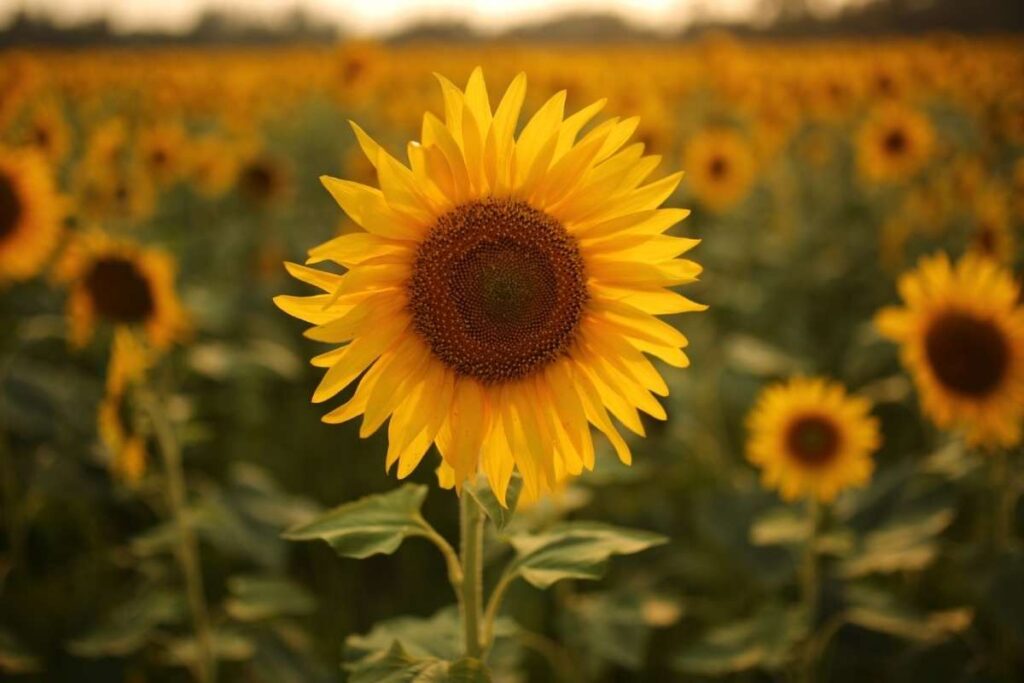
Late-season sunflowers are bold flowers that continue to shine into autumn. Their large yellow heads follow the sunlight, creating a striking visual impact in gardens, fields, and floral arrangements. These flowers thrive in full sun and well-drained soil. Late-season sunflowers attract pollinators and add vibrancy when other blooms decline. They symbolize loyalty and positivity, offering warmth and brightness during the cooler fall months.
34. Snapdragons (late)
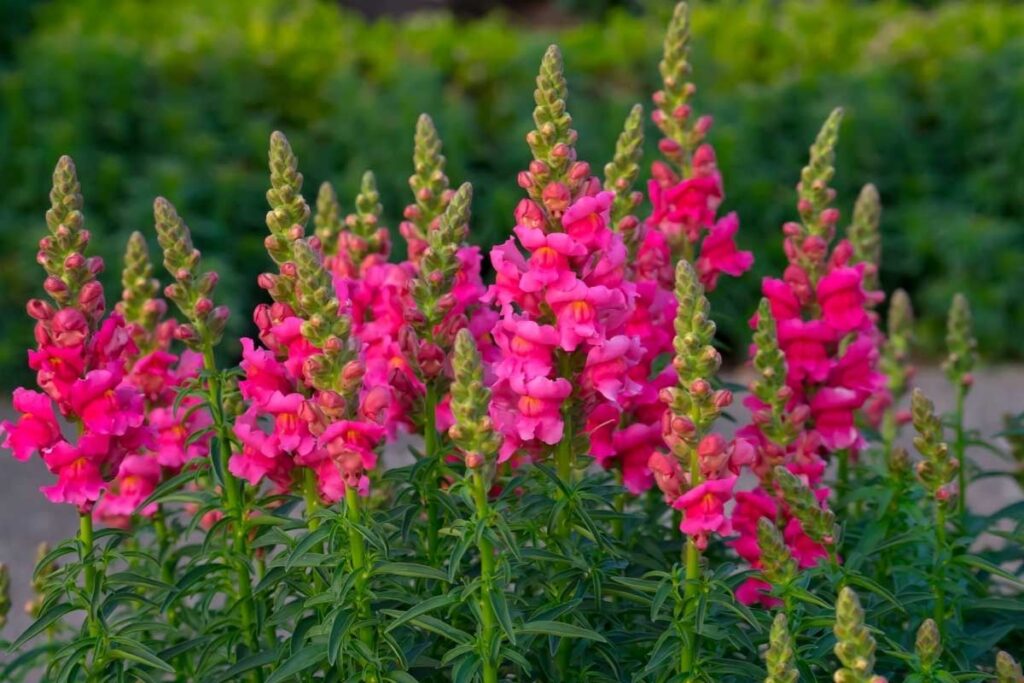
- Scientific Name: Antirrhinum majus
- Fun Fact: Snapdragons often experience a second flush of blooms in autumn as temperatures drop.
Late-blooming snapdragons are charming flowers that extend the beauty of summer into autumn gardens. Their uniquely shaped flowers in red, pink, yellow, and white thrive in cool fall temperatures. Snapdragons are perfect for garden borders, beds, and container planting, and they make excellent cut flowers. These flowers symbolize grace and strength, providing color and interest when other blooms are fading.
35. Rudbeckia
- Scientific Name: Rudbeckia hirta
- Fun Fact: Commonly known as “Black-Eyed Susans,” they are members of the sunflower family.
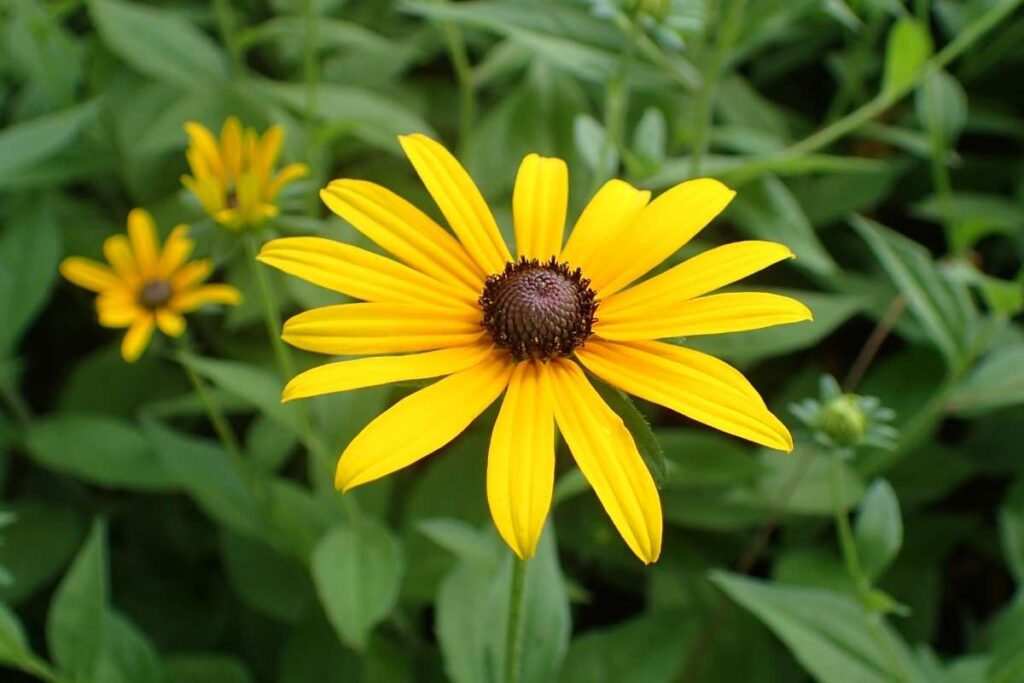
Rudbeckia, also known as Black-eyed Susan. It is a vibrant, natural, seasonal flower with sunny yellow petals and a dark center. These flowers thrive in full sun and well-drained soil, blooming in autumn when many others are fading. Rudbeckia attracts pollinators and is ideal for garden beds, borders, and natural landscaping. These flowers symbolize encouragement and positivity, adding warmth and brightness to fall gardens.
36. Goldenrod
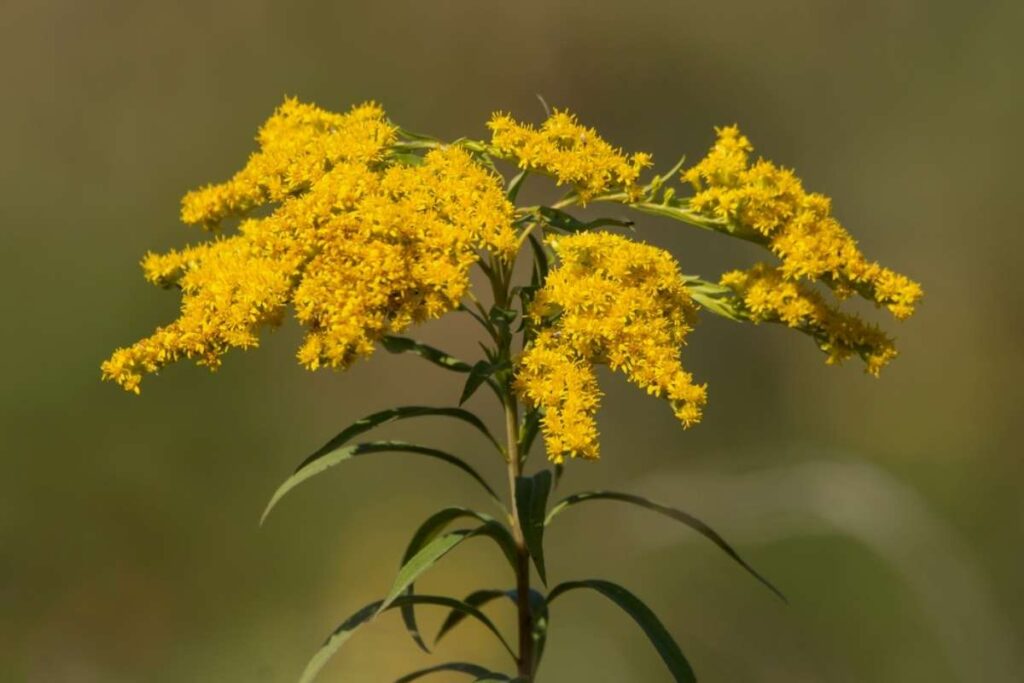
- Scientific Name: Solidago
- Fun Fact: Contrary to popular belief, Goldenrod does not cause hay fever; its pollen is too heavy to be wind-blown.
Goldenrod is a hardy, natural, seasonal flower with tall spikes of bright yellow blooms. It thrives in sunny, well-drained gardens and is perfect for beds, borders, and wildflower meadows. Goldenrod attracts bees and butterflies, supporting pollinator populations. These natural flowers symbolize growth, prosperity, and energy, providing a golden touch to autumn landscapes. Their abundance and vibrant color make them a reliable choice for fall gardening.
37. Cosmos
- Scientific Name: Cosmos sulphureus
- Fun Fact: The orange “Sulfur Cosmos” is much more heat and drought-tolerant than the pink spring varieties.
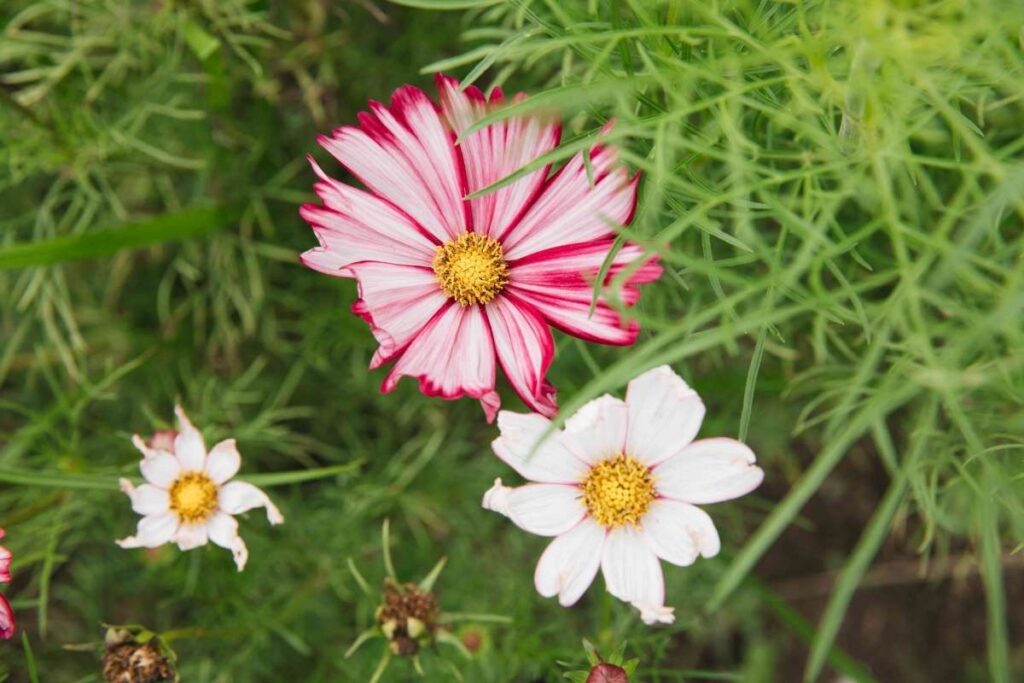
Late-blooming cosmos are elegant, natural flowers that continue to improve gardens in autumn. Their pink, white, and purple blooms thrive in sunny, well-drained soil. These flowers attract butterflies and pollinators, supporting local ecosystems. Cosmos are versatile for garden beds, borders, and cut flower arrangements. They symbolize harmony and natural beauty, bringing a touch of summer vibrancy to autumn landscapes.
Winter Flowers: Color in the Cold
Winter flowers offer a surprising burst of life during the darkest months.
38. Poinsettia
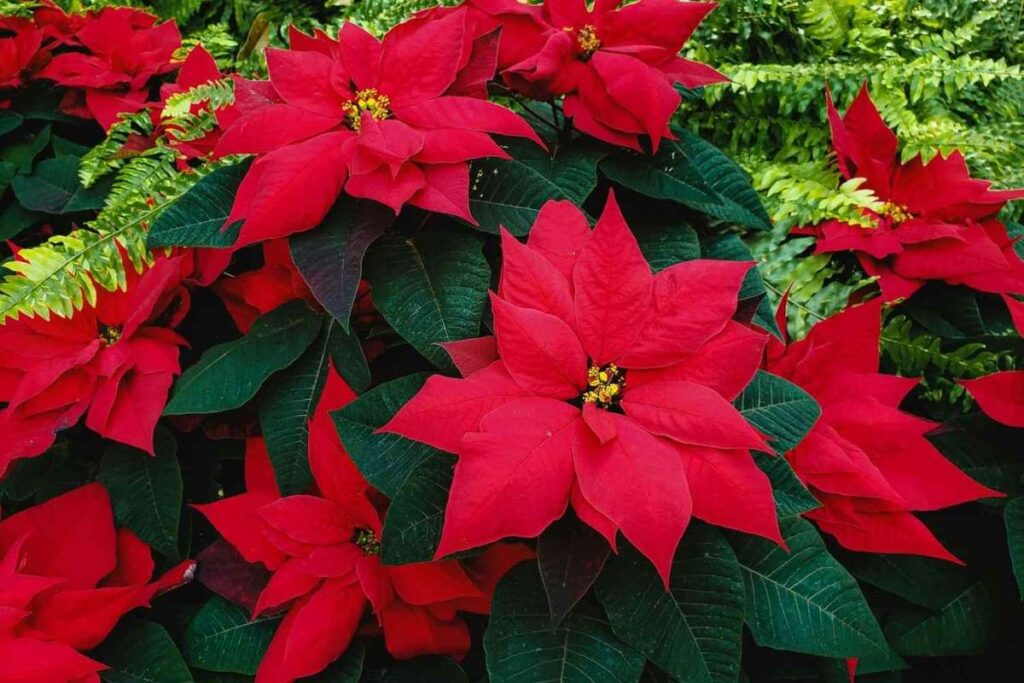
- Scientific Name: Euphorbia pulcherrima
- Fun Fact: The “flowers” are actually modified leaves called bracts; the true flowers are the tiny yellow centers.
Poinsettias are iconic flowers that brighten winter gardens with their striking red and green foliage. They thrive in cool climates and indirect sunlight, making them perfect for indoor and outdoor displays. Poinsettias are widely used for festive decorations and floral arrangements during the winter season. These flowers symbolize cheer and celebration, adding color to cold months. They are low-maintenance and long-lasting, making them a favorite for seasonal décor and gifting.
39. Hellebores
- Scientific Name: Helleborus
- Fun Fact: Often called “Lenten Roses,” they can actually bloom right through a layer of snow.
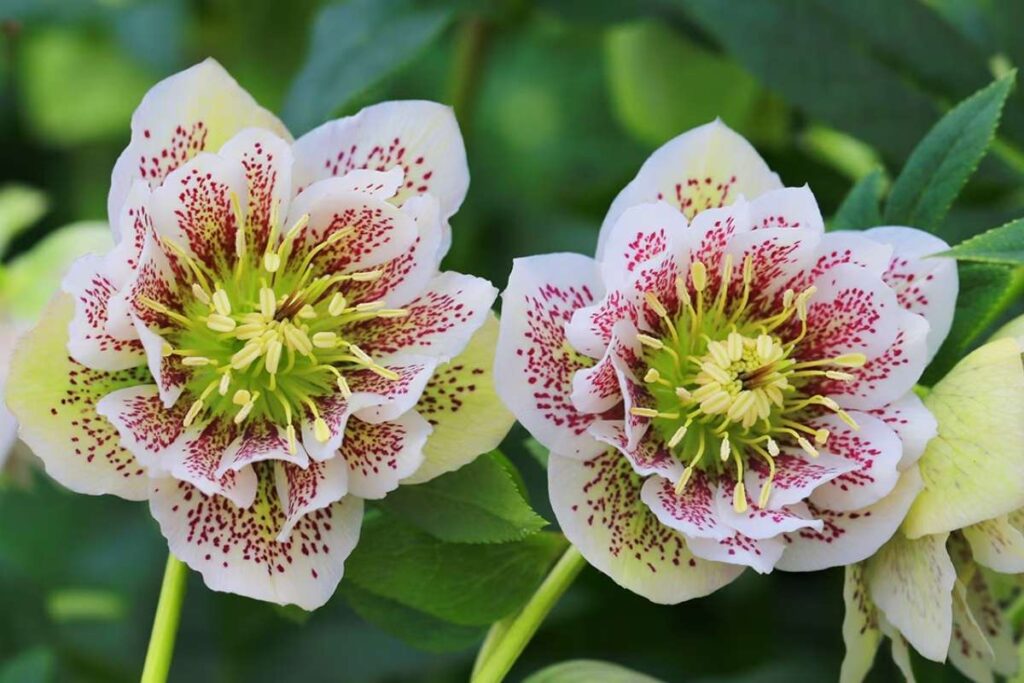
Hellebores, also called Christmas roses, are hardy, natural-season flowers that bloom during winter, often peeking through snow. Their delicate petals come in shades of white, pink, and purple. Hellebores thrive in partial shade and well-drained soil, making them ideal for winter gardens. These flowers are perfect for adding color when few other blooms are available. They symbolize serenity and resilience, offering gardeners a touch of elegance in cold months.
40. Winter Jasmine
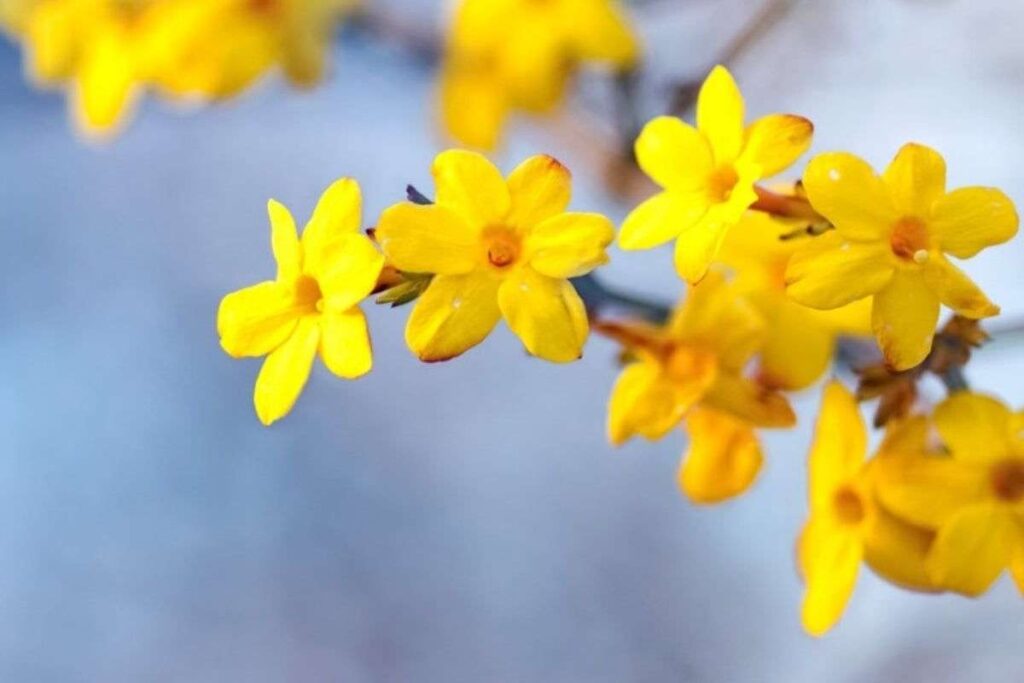
- Scientific Name: Jasminum nudiflorum
- Fun Fact: Unlike other jasmines, this variety has no scent but provides a striking yellow color in January.
Winter jasmine is a cheerful, natural season flower with bright yellow blooms that appear on bare branches during the cold months. It thrives in sunny locations and well-drained soil, spreading as a shrub or vine. Winter jasmine attracts early pollinators and brings vibrant color to winter landscapes. These flowers symbolize hope and renewal, making them a perfect addition to gardens or containers during winter. Their resilience makes them a must-have for seasonal beauty.
41. Amaryllis
- Scientific Name: Hippeastrum
- Fun Fact: One bulb can produce up to two stems with four massive blooms each.
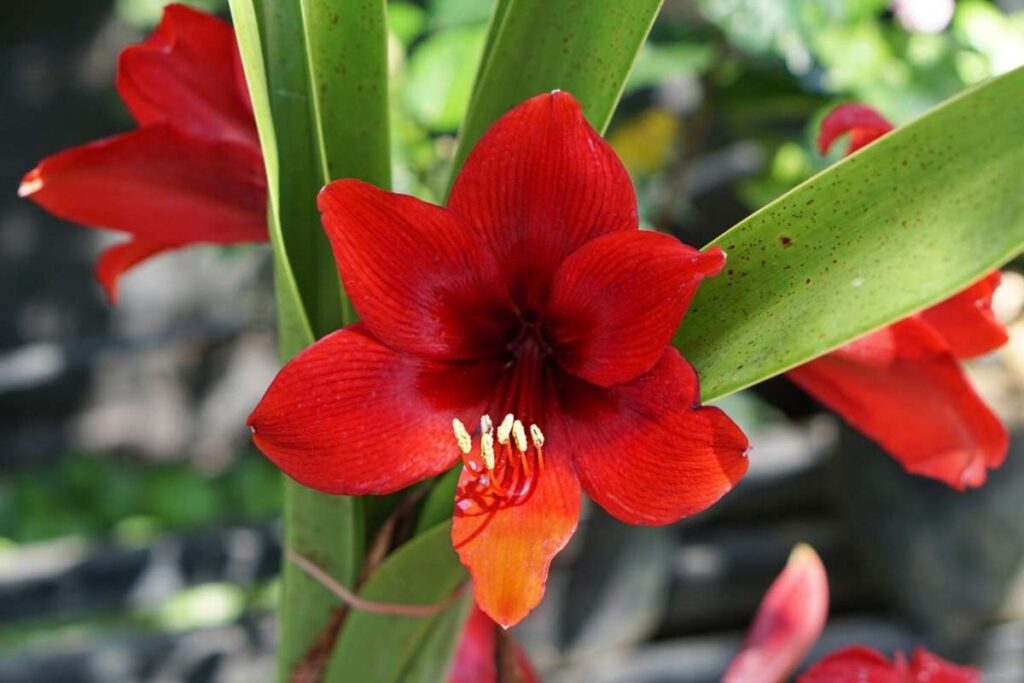
Amaryllis is a striking seasonal flower with large trumpet-shaped blooms in red, pink, and white. They are often grown indoors during winter for holiday décor and to brighten spaces with their bold appearance. Amaryllis thrives in pots and requires moderate sunlight and well-drained soil. These natural seasonal flowers symbolize pride and beauty. They are excellent for gifting or seasonal floral arrangements, adding elegance to winter interiors and gardens.
42. Waxflower
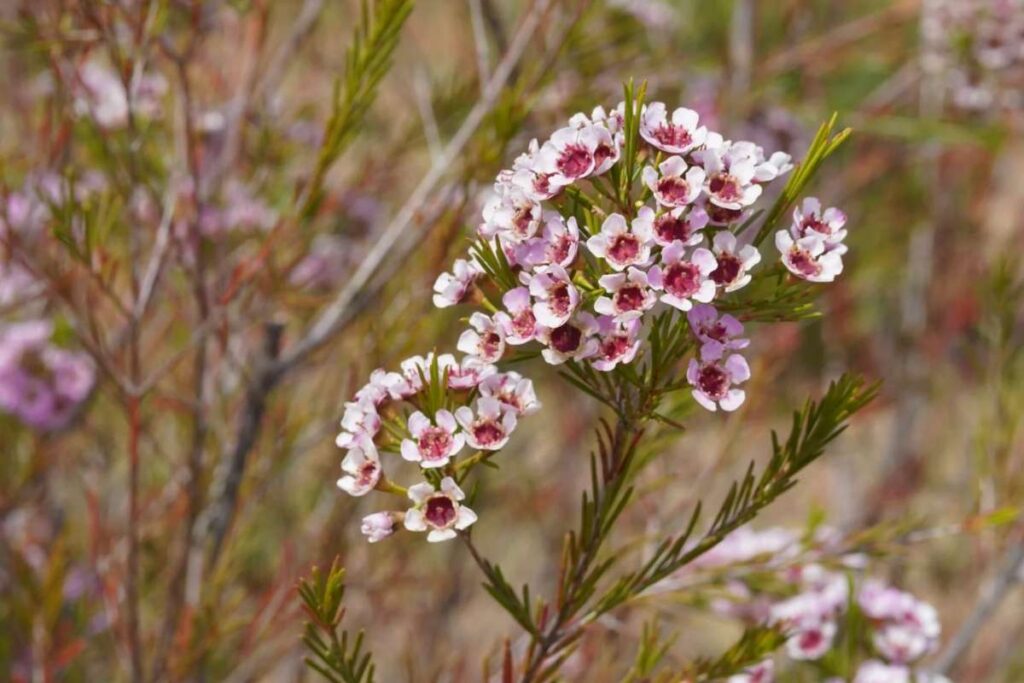
- Scientific Name: Chamelaucium
- Fun Fact: The leaves produce a lemon-like scent when crushed.
Waxflowers are fragrant, delicate flowers that bloom in winter. They feature small, waxy petals in pink, white, or purple and are commonly used in bouquets and arrangements. Waxflowers thrive in sunny, well-drained soil and require minimal maintenance. These seasonal flowers symbolize lasting beauty and endurance, adding charm to winter gardens. They also attract pollinators and provide visual interest during colder months.
43. Camellia
- Scientific Name: Camellia japonica
- Fun Fact: The leaves of a related species (Camellia sinensis) are used to make all traditional teas.
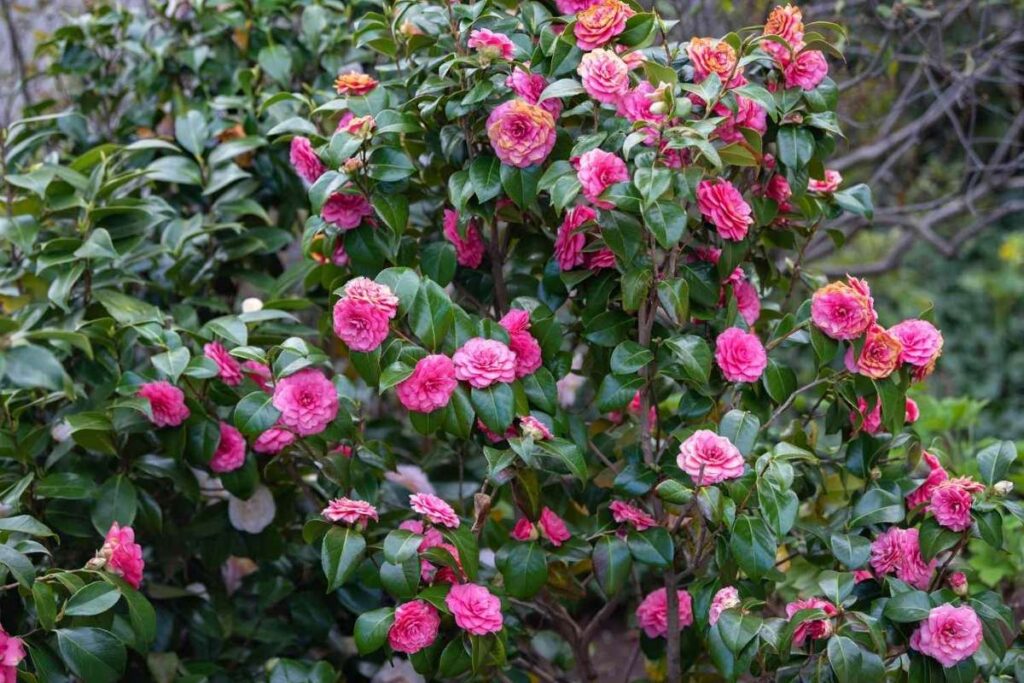
Camellias are elegant seasonal flowers with glossy leaves and large blooms in red, pink, and white. They thrive in partial shade and well-drained soil, making them perfect for winter gardens. Camellias are excellent for hedges, garden beds, and cut arrangements. These flowers symbolize admiration and perfection. Their long-lasting flowers and lush foliage provide winter color and sophistication, brightening landscapes when many other plants are dormant.
44. Cyclamen
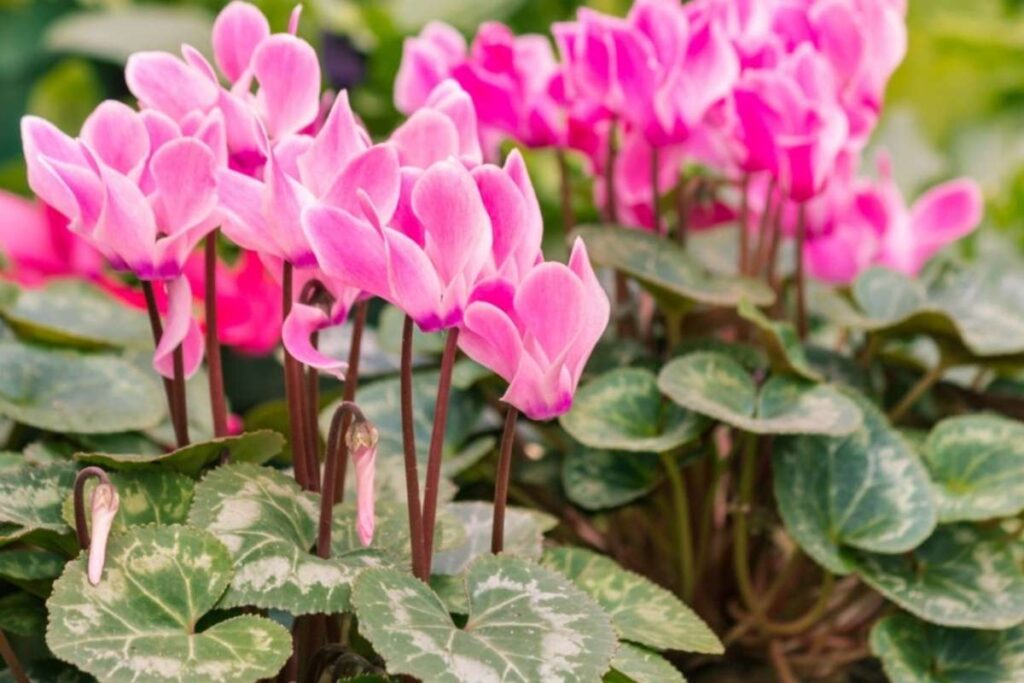
- Scientific Name: Cyclamen persicum
- Fun Fact: Their petals grow upwards while the heads point downwards, giving them an “inside out” look.
Cyclamen are charming, natural, seasonal flowers that bloom during winter with delicate, upswept petals in pink, red, and white. They thrive in cool temperatures and well-drained soil, making them perfect for indoor pots or shaded garden spots. Cyclamen are popular natural seasonal flowers for decorative displays and gifting. They symbolize lasting love and sincere affection, offering elegance and color in the colder months.
45. Paperwhites
- Scientific Name: Narcissus papyraceus
- Fun Fact: They are one of the fastest flowers to grow indoors, often blooming within 3 weeks of planting.
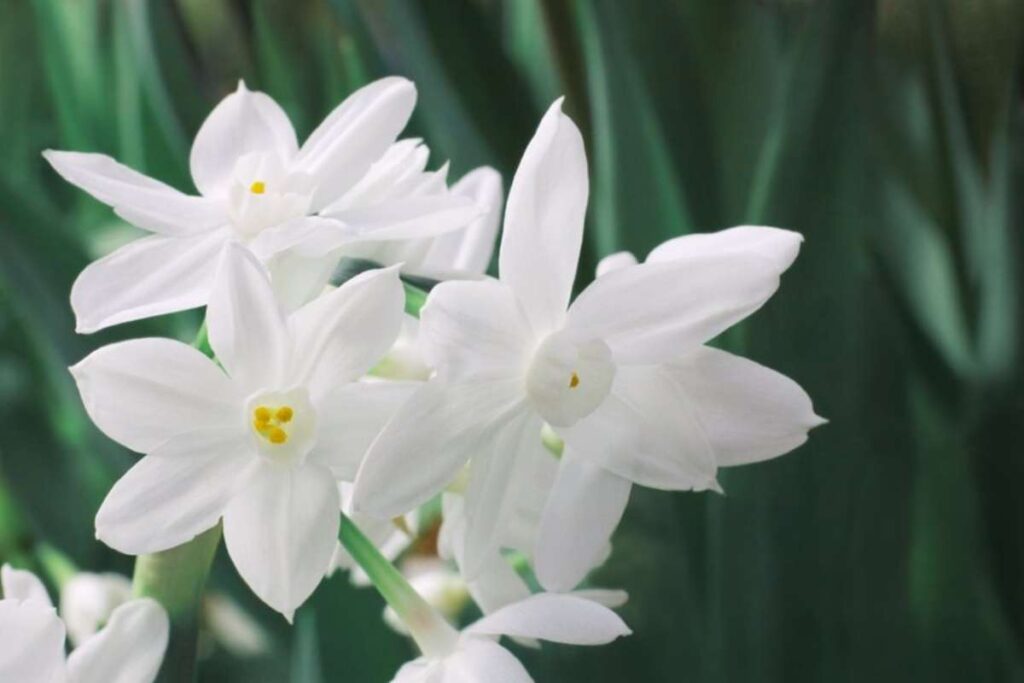
Paperwhites are fragrant seasonal flowers that bloom indoors or outdoors during winter. They feature clusters of small, white, trumpet-shaped blooms and thrive in well-lit spaces with minimal care. These natural flowers are often grown in pots, making them ideal for holiday décor. Paperwhites symbolize purity and new beginnings, adding brightness and cheer during short winter days.
46. Winter Heather
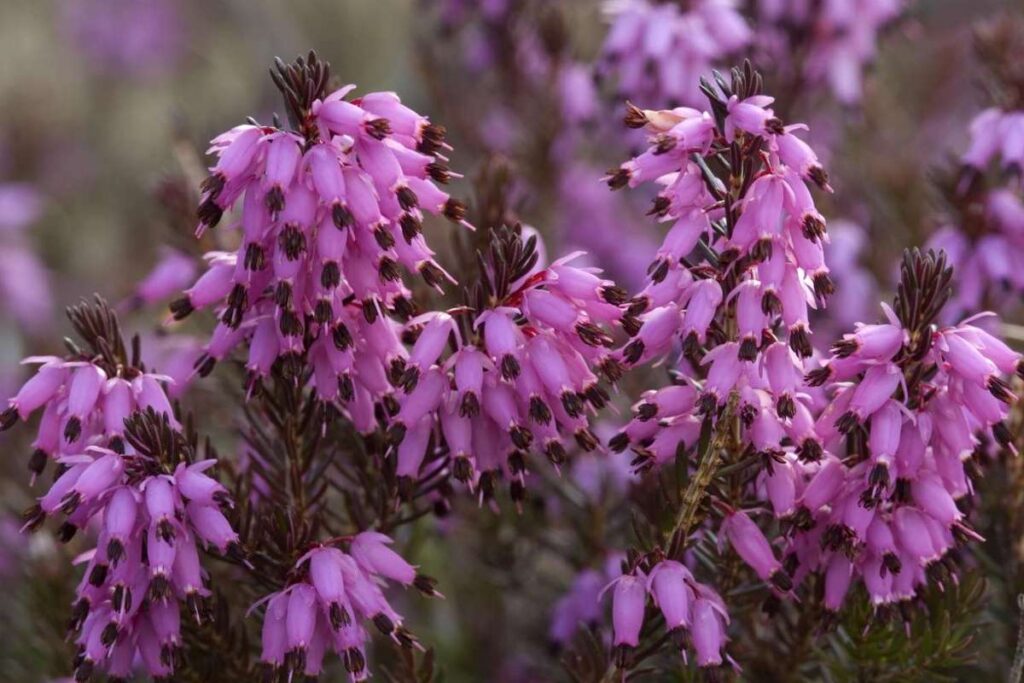
- Scientific Name: Erica carnea
- Fun Fact: Heather is highly resistant to salt, making it a perfect winter plant for coastal gardens.
Winter heather is a hardy flower with small pink, purple, or white blooms that persist even in frost. It thrives in sunny, well-drained soil and is perfect for ground cover, borders, or container planting. These natural season flowers attract early pollinators and provide color when most other plants are dormant. Winter heather symbolizes resilience and simplicity, adding a subtle yet vibrant touch to winter gardens.
47. Holly
- Scientific Name: Ilex
- Fun Fact: Only female holly plants produce the signature bright red berries.
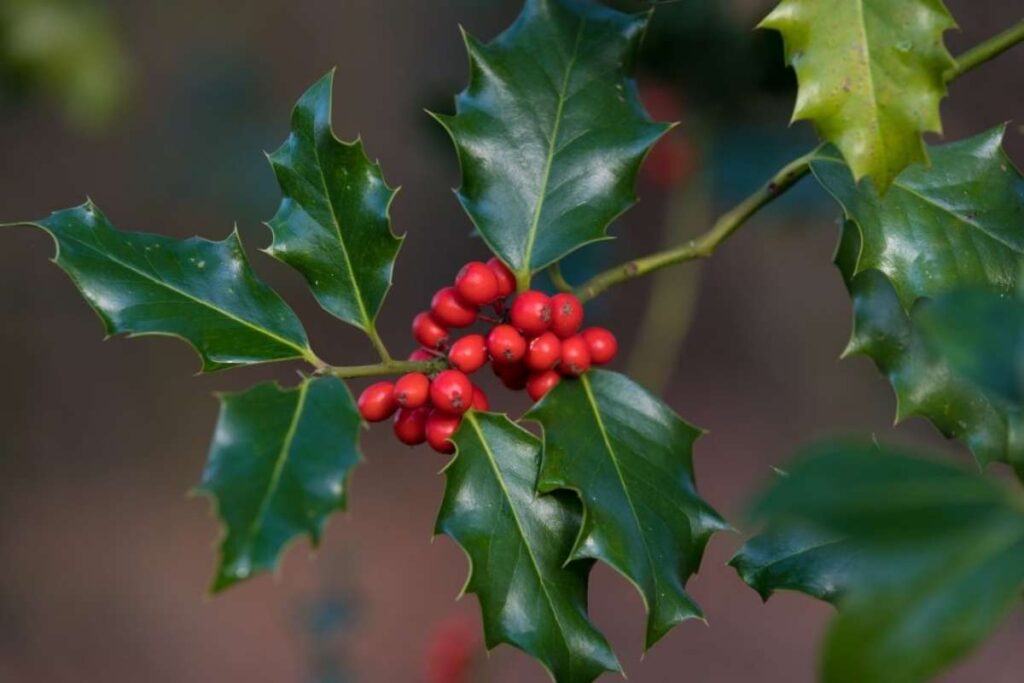
Holly is a classic natural seasonal flower with bright red berries and glossy green leaves that shine in winter landscapes. It thrives in full sun to partial shade and well-drained soil. Holly is commonly used in festive décor, wreaths, and bouquets. These flowers symbolize protection and celebration, bringing a traditional and colorful element to winter gardens and indoor arrangements.
48. Stock
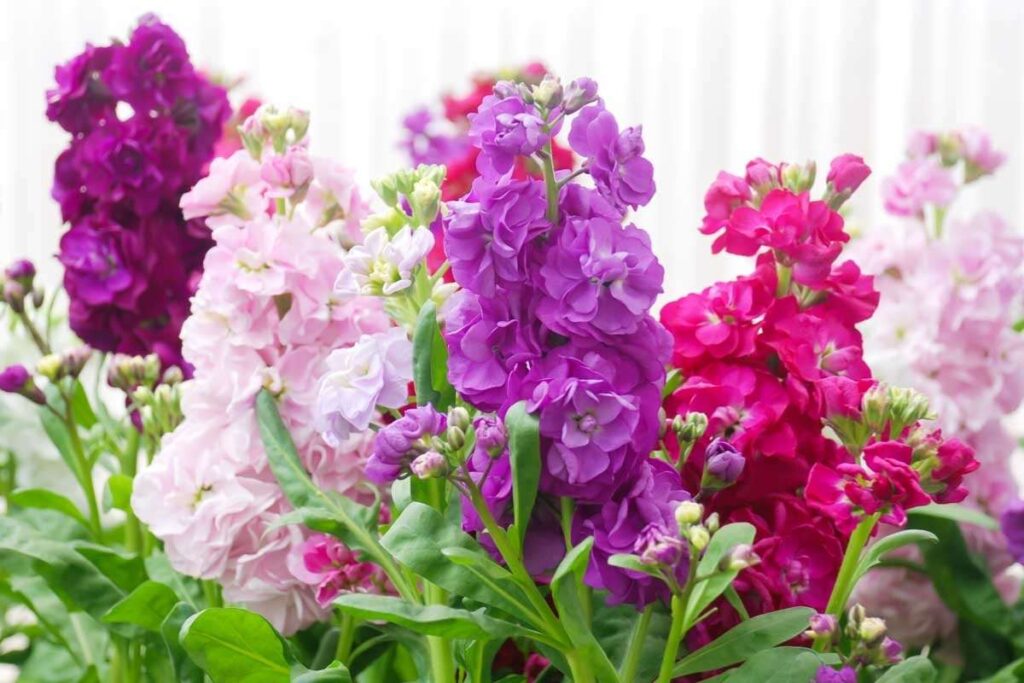
- Scientific Name: Matthiola incana
- Fun Fact: Known for their spicy, clove-like scent, they thrive in the cool temperatures of early winter.
Stock is a fragrant and colorful flowers that bloom in winter, offering shades of pink, purple, white, and red. They thrive in cool temperatures and well-drained soil. Stock is excellent for garden beds, borders, and cut flowers for bouquets and arrangements. These seasonal flowers symbolize lasting beauty and a cheerful spirit. Their pleasant fragrance adds an extra layer of charm to winter gardens.
49. Anemone
- Scientific Name: Anemone
- Fun Fact: In Greek mythology, anemones were said to have sprung from the tears of Aphrodite.
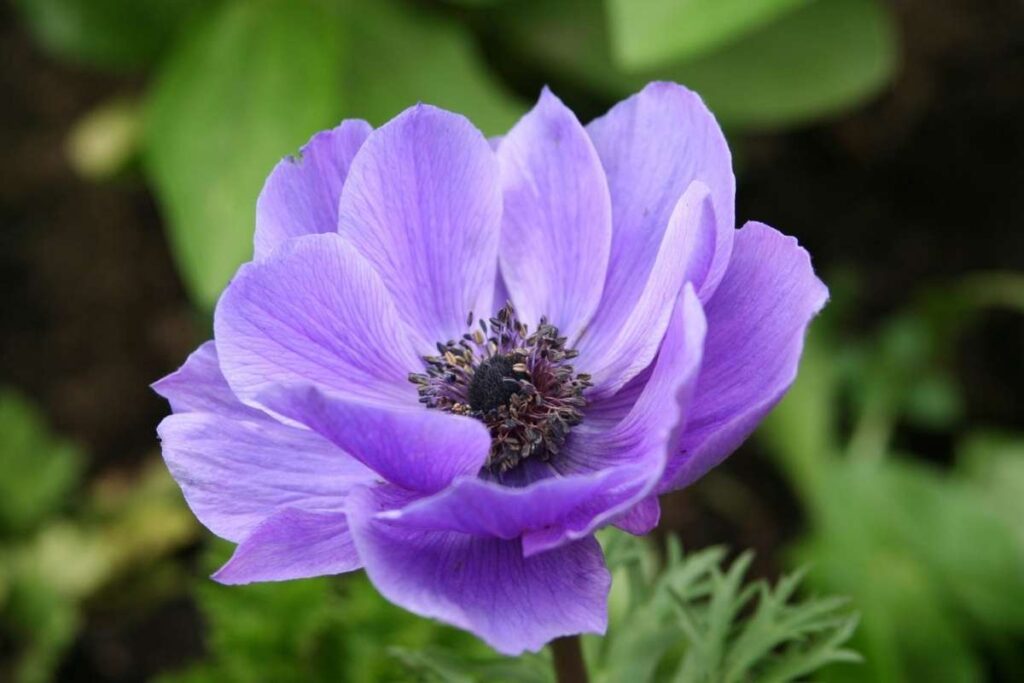
Winter-blooming anemones are delicate, natural, seasonal flowers with soft petals in white, pink, red, or purple. They thrive in cool, well-drained soil and partial sunlight, making them perfect for winter garden beds and containers. These natural seasonal flowers attract pollinators and brighten landscapes when other blooms are sparse. Anemones symbolize anticipation and protection, adding elegance and seasonal interest to winter gardens.
50. Iris
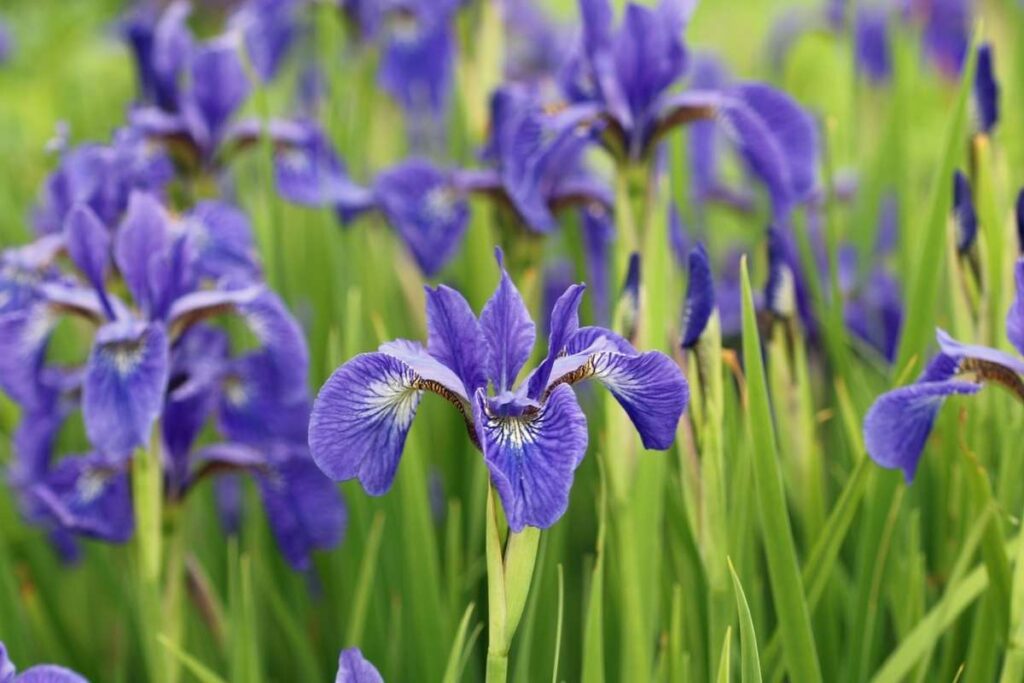
- Scientific Name: Iris unguicularis
- Fun Fact: The winter-blooming Algerian Iris produces incredibly fragrant flowers even in freezing temperatures.
Winter iris is a seasonal flower with slender petals in shades of blue, purple, or white. It blooms during winter in mild climates and thrives in well-drained soil with moderate sunlight. Iris is ideal for garden beds, borders, and decorative arrangements. These natural flowers symbolize hope and wisdom, providing winter color and architectural interest to landscapes.
Also Read: Top 50 Magical Natural Phenomena in the World You Have to See to Believe
Natural Seasonal Flowers Care Tips:
Timing is essential if you want to get the most out of your natural seasonal flowers. For spring blooms, start seeds indoors 6-8 weeks prior to the last frost; once the soil warms, move summer varieties.
Sun & Water: Most seasonal blooms need at least 6 hours of sunlight. Water deeply at the base, never the leaves, during the cool morning hours to prevent evaporation.
Soil: Use well-draining, organic compost for spring and summer, while adding mulch in autumn to insulate winter roots.
Conclusion:
By appreciating how each bloom represents the changing year, an understanding of these seasonal flowers enables us to establish a strong connection with nature’s rhythms. These flowers, which range from the vivid warmth of autumn marigolds to the pastel freshness of spring tulips, inspire gardens that thrive organically and sustainably. We cultivate landscapes that support pollinators, customs, and environmentally friendly practices by planting and enjoying naturally occurring seasonal flowers. We would love to see your colorful creations, so please upload pictures of your gardens or share your favorite seasonal flowers in the comments section below! Let each season bloom with vitality and color by embracing the beauty of natural seasonal flowers.
FAQ:
1. Why should I choose natural seasonal flowers over imported or greenhouse flowers?
Natural seasonal flowers are better for the environment because they require fewer resources, like water and fertilizers. They support local pollinators, are more cost-effective, last longer, and maintain their natural fragrance and beauty compared to artificially grown blooms.
2. Can natural seasonal flowers be grown indoors?
Yes! Many natural seasonal flowers, such as paperwhites, amaryllis, or cyclamen, thrive in indoor pots with sufficient sunlight and well-draining soil. Indoor cultivation allows you to enjoy seasonal blooms year-round, even in colder months.
3. Can natural seasonal flowers help local wildlife?
Yes! By planting seasonal flowers, you create habitats and food sources for bees, butterflies, birds, and other pollinators. This contributes to biodiversity and strengthens local ecosystems while keeping your garden naturally vibrant.