Key Points:
- Malaysia and Indonesia ban Grok AI over deepfake misuse concerns.
- Governments demand stronger safeguards, stressing accountability and user protection.
- Global precedent set for stricter AI regulation amid rising deepfake risks.
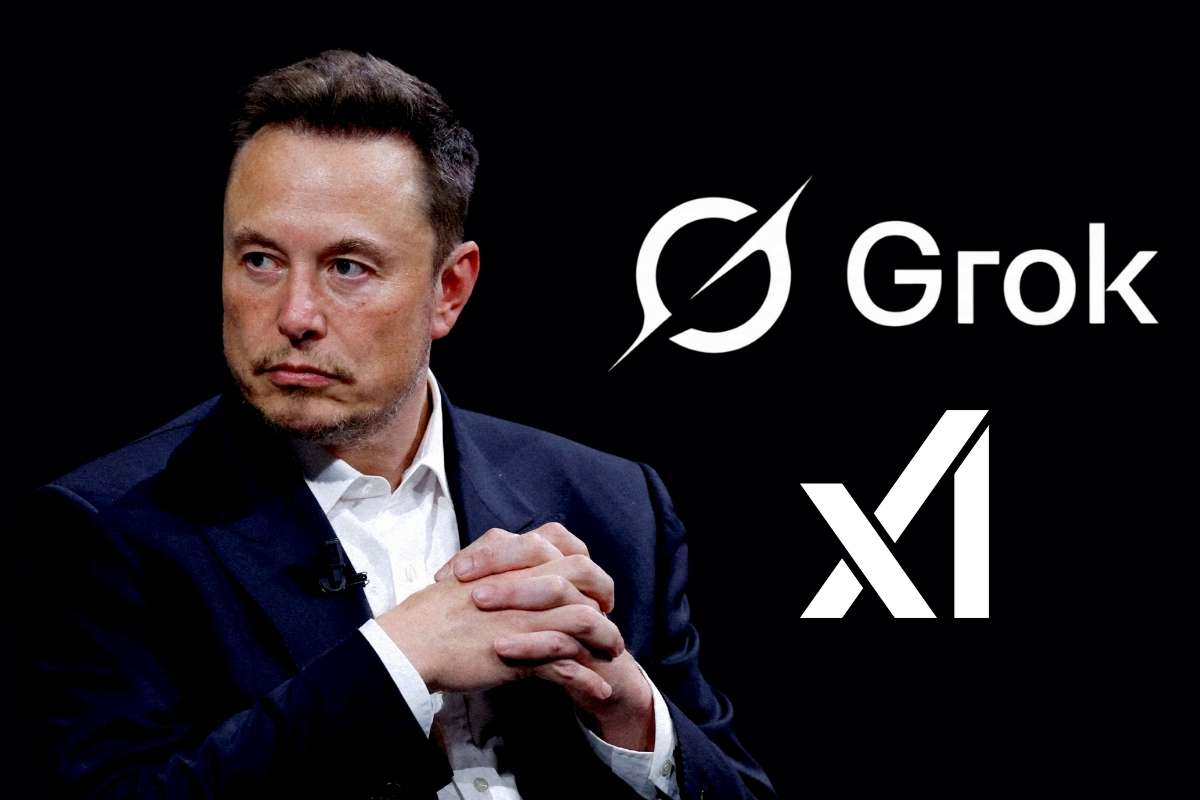
Malaysia and Indonesia have become the first countries to block access to Grok, the artificial intelligence chatbot developed by Elon Musk’s xAI, citing serious concerns over the misuse of the platform to generate sexually explicit and harmful deepfake content. The decision follows growing alarm among regulators that the AI tool was being used to create non-consensual images and manipulated media involving real individuals, including public figures.
Authorities in both nations stated that Grok failed to implement sufficient safeguards to prevent abuse, particularly the creation of explicit deepfakes that violate personal dignity and privacy. Officials emphasized that the move was necessary to protect citizens, especially women and minors, from digital exploitation. The bans were implemented swiftly, with internet service providers instructed to block access to the platform nationwide.
Regulatory Pressure and Platform Accountability
The action highlights the increasing pressure governments are placing on artificial intelligence companies to ensure their products comply with local laws and ethical standards. In Indonesia, regulators noted that Grok’s ability to generate realistic images without robust content moderation posed a direct threat to public safety and social order. Malaysia echoed similar concerns, stressing that platforms operating within the country must take responsibility for how their technologies are used.
Both governments indicated that the ban could be reconsidered if xAI demonstrates meaningful improvements in content moderation, transparency, and user protections. However, officials made it clear that innovation would not be allowed to outpace regulation, particularly when it results in real-world harm. The move aligns with broader efforts across Southeast Asia to strengthen digital governance amid the rapid expansion of generative AI tools.
Global Implications for AI Regulation
The decision by Malaysia and Indonesia may set a precedent for other countries grappling with the challenges posed by generative artificial intelligence. As AI-generated deepfakes become increasingly realistic and accessible, governments worldwide are struggling to balance technological innovation with ethical responsibility. The Grok ban underscores a growing consensus that AI developers must be proactive in preventing misuse rather than reacting after damage has occurred.
Experts note that this case could influence how AI platforms are regulated globally, particularly in regions with strict content and decency laws. It also raises questions about the accountability of AI companies when their tools are used to violate individual rights. For xAI, the bans represent a significant setback in its global expansion plans and a warning that regulatory scrutiny is intensifying.
As artificial intelligence continues to reshape digital spaces, the actions taken by Malaysia and Indonesia signal a clear message: technological advancement must not come at the expense of human dignity, safety, and trust.