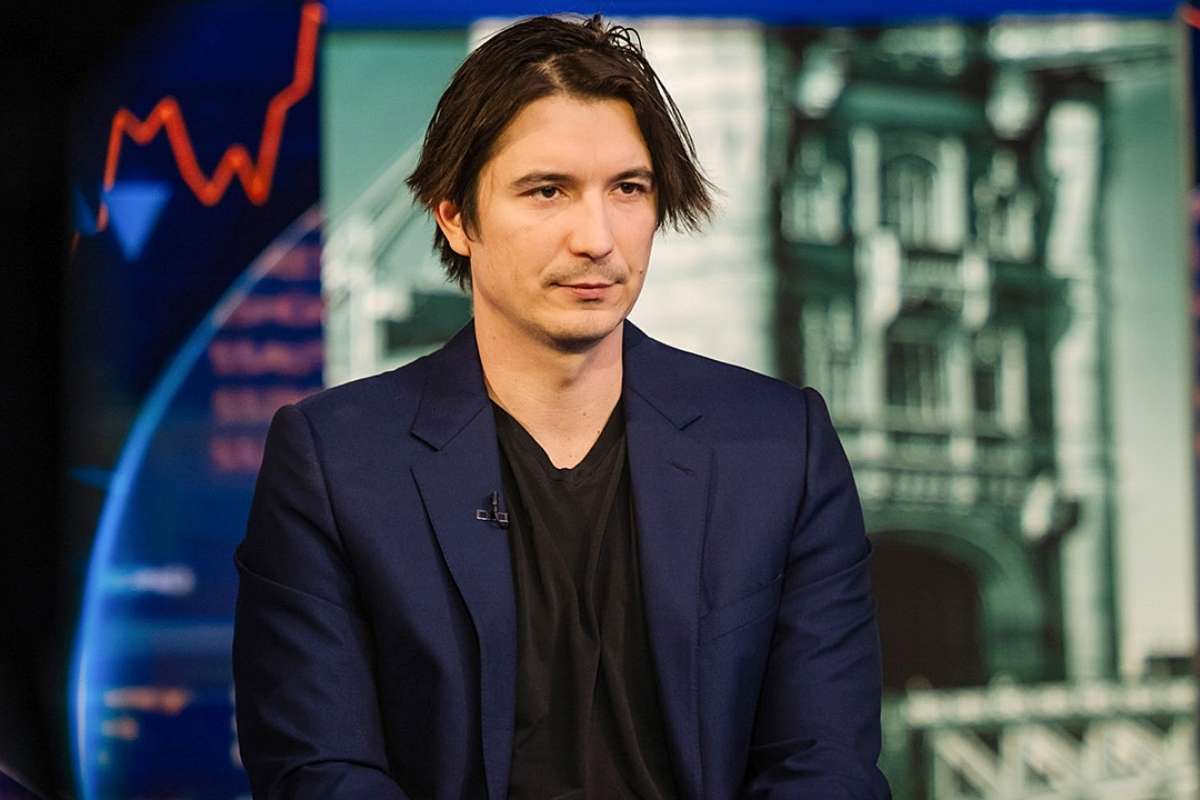
Robinhood Markets CEO Vlad Tenev has pushed back against growing concerns that artificial intelligence will eliminate jobs, arguing instead that AI will fundamentally reshape what society considers “real work.” According to Tenev, technological progress has always altered employment patterns, and AI represents the next phase of that long-running evolution rather than an endpoint for human labor.
He emphasized that fears surrounding job loss are not new. Similar anxieties surfaced during earlier industrial and technological shifts, when mechanization and computers changed the nature of work. In each case, jobs did not disappear entirely but transformed, giving rise to new roles and industries that were previously unimaginable. Vlad Tenev believes AI will follow the same trajectory, enabling new forms of productivity and creativity rather than replacing workers wholesale.
While acknowledging that AI is advancing at an unprecedented speed, he maintained that rapid innovation does not equate to permanent job destruction. Instead, he suggested that AI will automate repetitive or low-value tasks, allowing humans to focus on higher-order decision-making, creativity, and strategic thinking.
Changing Definitions of “Real Work”
Tenev also highlighted how perceptions of legitimate work change over time. He noted that roles considered mainstream today, particularly digital and knowledge-based professions, may once have been dismissed as unproductive or unconventional. In the same way, emerging AI-enabled careers may initially face skepticism before becoming widely accepted as standard employment.
He argued that society often struggles to recognize new forms of work in their early stages, particularly when they differ sharply from traditional labor models. As AI tools become more integrated into finance, technology, healthcare, and creative industries, new job families are expected to emerge, many of which do not yet have defined titles or career paths.
This shift, according to Vlad Tenev will require workers to adapt by developing new skills and embracing continuous learning. Rather than viewing AI as a competitor, he framed it as a powerful tool that can expand human capabilities and unlock opportunities that were previously inaccessible.
Balancing Optimism With Real Disruption Risks
Despite the optimistic outlook, the broader conversation around AI and employment remains complex. Many experts agree that while AI will create new opportunities, it will also disrupt existing roles, particularly in sectors heavily reliant on routine tasks. The challenge lies in managing the transition and ensuring workers are prepared for the changing demands of the labor market.
Some analysts warn that AI’s ability to perform both cognitive and physical tasks could accelerate job displacement if adaptation efforts lag behind technological progress. This has intensified calls for reskilling initiatives, education reform, and policy frameworks that support workers through the transition.
Within this evolving landscape, Vlad Tenev message stands out as a call for perspective. He contends that AI should not be viewed as an existential threat to employment but as a transformative force that will redefine productivity and purpose. As technology continues to advance, the future of work, he suggests, will depend less on resisting change and more on how effectively individuals and institutions adapt to it.