Key Points:
- Altman told staff that the government—not OpenAI—controls how its AI is used in defense systems.
- He addressed internal concerns over the Pentagon deal and admitted communication around it was mishandled.
- The situation highlights broader industry tensions over AI’s role in national security and ethical boundaries.
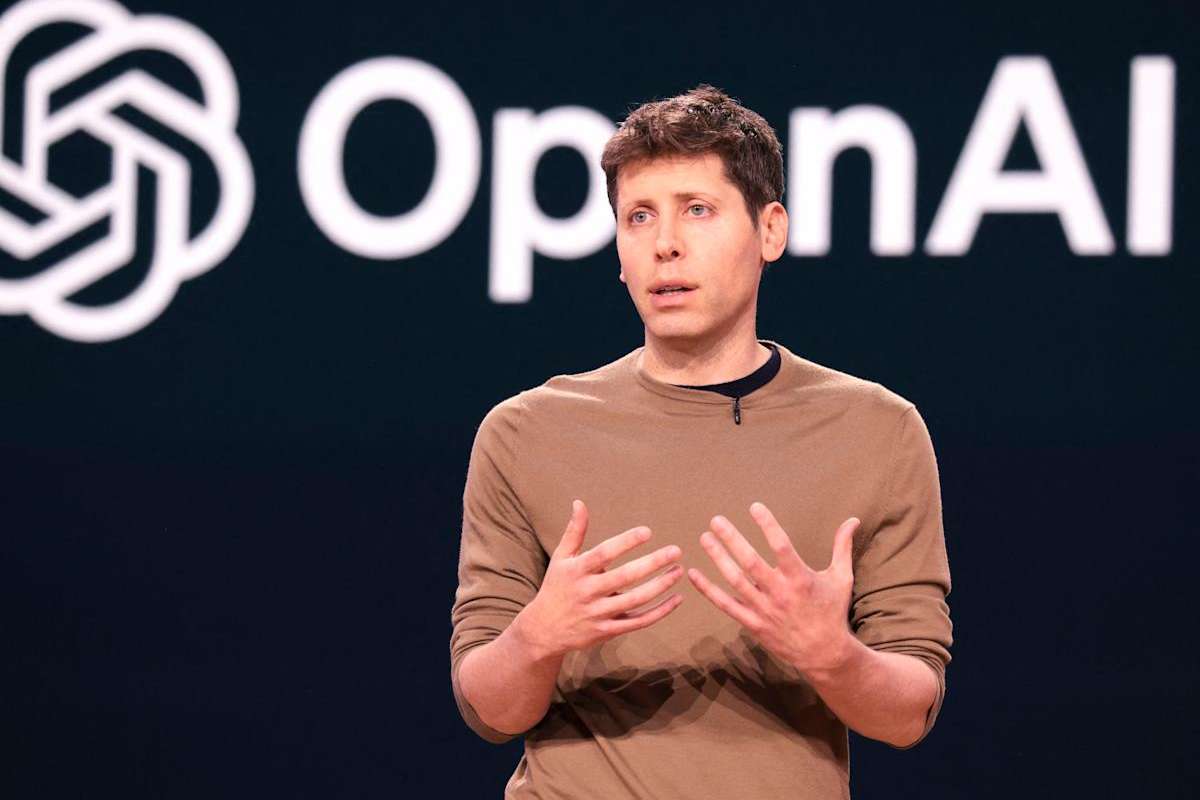
Sam Altman told employees this week that once the company’s artificial intelligence tools are deployed within U.S. defense systems, operational decisions fall under government authority, not the company’s control. Speaking during an internal meeting, the OpenAI chief clarified that while the firm provides advanced AI models and technical guidance, it does not dictate how those systems are ultimately used in military settings.
Sam Altman emphasized the distinction between developing powerful technology and directing battlefield or intelligence operations. According to people familiar with the discussion, he acknowledged that questions surrounding military use are complex and emotionally charged, particularly within a workforce that has historically championed AI safety and ethical guardrails.
The remarks come at a time when technology firms are increasingly navigating partnerships with defense agencies amid global competition in artificial intelligence. SamAltman reportedly sought to reassure employees that OpenAI’s role remains focused on building secure systems and advising on safe implementation, while final operational authority rests with federal decision-makers.
Internal Unease After Pentagon Agreement
The clarification follows scrutiny over OpenAI’s recent agreement with the U.S. Department of Defense to integrate its AI systems into certain government networks. The partnership, aimed at strengthening national security capabilities, has sparked debate both inside and outside the company.
Some employees have expressed discomfort over potential military applications, raising concerns about surveillance, weapons systems, and the broader ethical implications of AI in warfare. Critics argue that rapid expansion into defense contracts risks undermining public trust in AI companies that have pledged to prioritize safety and transparency.
Sam Altman reportedly conceded that the rollout of the Pentagon agreement could have been handled more carefully, acknowledging that communication surrounding the deal may have appeared abrupt. In response to concerns, OpenAI is said to be refining contractual language to ensure clear limitations on how its models may be deployed, particularly in relation to domestic surveillance activities or autonomous combat functions.
The company has long maintained usage policies prohibiting harm-focused applications, but applying those principles within national security contexts presents practical and legal complexities. Employees remain divided, with some viewing government collaboration as necessary to shape responsible AI adoption, while others fear mission drift.
Broader AI Industry Tensions Surface
The controversy unfolds amid heightened rivalry within the AI sector. Competitor Anthropic recently distanced itself from certain defense engagements after disagreements over ethical parameters, intensifying industry-wide debate over how far AI companies should go in partnering with military institutions.
National security officials argue that private-sector AI expertise is critical as geopolitical competition accelerates. Supporters of OpenAI’s defense involvement contend that responsible companies participating in government projects can help establish safety standards and prevent misuse by less transparent actors abroad.
At the same time, civil liberties advocates caution that rapid integration of AI into intelligence and defense systems demands rigorous oversight. Questions remain about transparency, accountability, and long-term governance as frontier AI systems grow more capable.
Sam Altman’s message to staff underscored a central tension shaping the future of artificial intelligence: companies can design safeguards and policies, but once technologies enter state systems, democratic governments ultimately determine their application. As AI becomes increasingly embedded in national infrastructure, the debate over corporate versus governmental responsibility is likely to intensify.
For OpenAI, the path forward appears to involve balancing its foundational commitment to safe AI development with the realities of operating at the center of global technological and security competition.