Key Takeaway:
- Spend money earlier to maximize life experiences and create lasting “memory dividends.”
- Treat time as a limited asset; unused wealth has little value after life ends.
- Balance earning, giving, and enjoying money instead of saving endlessly for retirement.
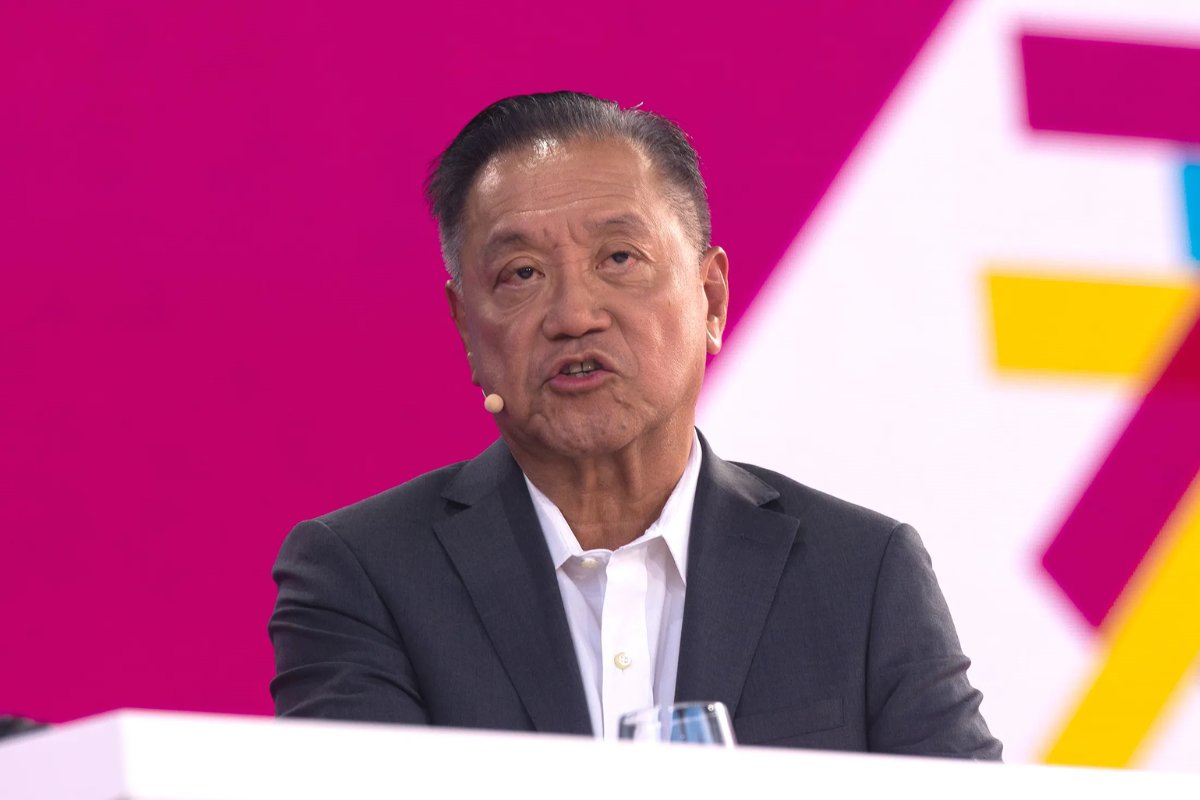
Energy trader and investor Bill Perkins says people should spend, give, and share their money earlier in life to maximize happiness, arguing that experiences generate lasting “memory dividends” worth more than unused wealth.
Perkins Promotes ‘Die With Zero’ Philosophy
Bill Perkins, founder of Skylar Capital Management, is best known for trading volatile energy markets. Yet the hedge fund manager increasingly focuses on a different investment strategy: spending money while people are healthy enough to enjoy it.
Perkins outlined the philosophy in his book “Die with Zero,” which argues against delaying life experiences until retirement. He believes wealth should fund meaningful moments rather than accumulate indefinitely.
“When’s the party? It’s right now,” Perkins said during an interview conducted before a major global energy-market shock.
He encourages people to spend, donate, or transfer wealth to children earlier, allowing families to benefit when time and health are strongest. The idea centers on what he calls “memory dividends,” the emotional returns people receive from reliving experiences long after they occur.
“These experiences keep paying you back,” Perkins said, describing memories as assets that appreciate over time.
Trader Applies Market Math to Life Decisions
Bill Perkins built his career navigating boom-and-bust energy markets, where traders must quickly calculate risks and price swings. He applies the same analytical thinking to personal finance decisions.
Traders, especially those from the era of open-outcry trading pits, often relied on rapid mental calculations. Perkins said that mindset shaped how he evaluates life choices, treating time as a limited resource.
“A lot of people are deathly afraid of losing all their money,” Perkins said at his Austin, Texas, home. “I’m like, eh, so be it.”
His outlook contrasts with traditional financial advice that emphasizes saving and delayed gratification. Perkins argues that excessive caution leads many people to die with unused wealth and missed opportunities.
He continues to actively trade. Speaking by phone from Oahu last week, Perkins said he placed a long-shot wager that ongoing geopolitical instability will push European natural-gas prices higher.
“This is chaos, and traders thrive in chaos,” he said.
Market analysts note that energy markets remain volatile amid supply disruptions and shifting global demand, conditions that often attract speculative investors.
Lifestyle Reflects Spend-and-Live Approach
Bill Perkins’ personal life mirrors his financial philosophy. His Texas property features elements designed for entertainment rather than preservation of wealth.
The compound houses a roughly $20 million art collection alongside laser-tag equipment, dancing robots used at parties, and a wakesurfing boat docked nearby. Four giant tortoises — George, Shelly, Fortuitous, and Pequeña — roam the grounds.
Friends frequently gather at the home, where social events begin spontaneously. By the end of one interview session, guests had already arrived in the backyard, preparing for another gathering.
Perkins said the goal is not reckless spending but intentional use of money aligned with life stages. Younger years, he argues, offer unique opportunities for travel, adventure, and shared experiences that cannot be replicated later.
Financial planners remain divided on the approach. Some advisers warn that overspending can create long-term risks, while others acknowledge a growing movement encouraging balanced consumption alongside saving.
Perkins maintains that wealth should serve life, not the other way around.
“The point,” he said, “is to actually live.”
Visit Visionary CIOs Magazine for the latest information.