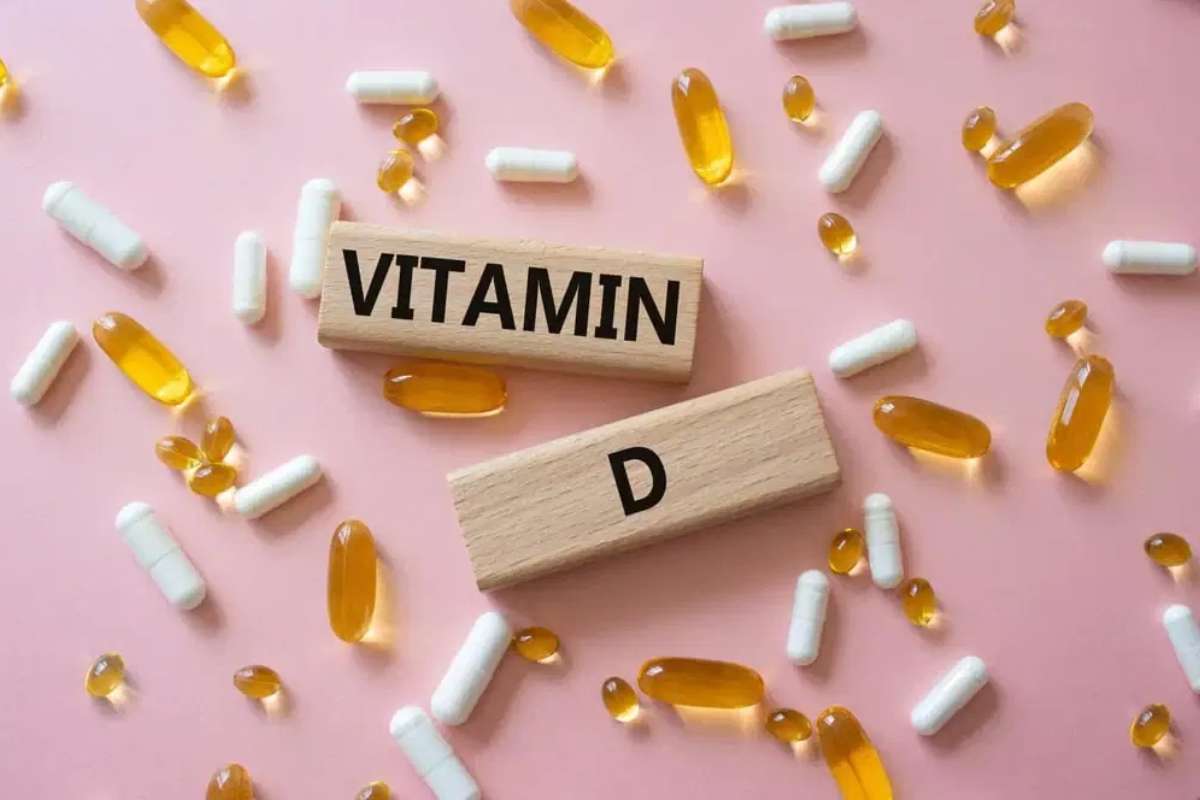
Vitamin D plays an important role in keeping our bodies healthy. The body produces it when sunlight touches the skin. It is also found in certain foods and supplements. Many people think of vitamin D as being important for strong bones. But it also supports the immune system, mood, and muscle strength.
Vitamin D deficiency is common, especially in regions with limited sunlight or during the winter months. Low levels can affect people of all ages. So understanding how vitamin D works can help children, adults, and older adults make better health choices.
What Does Vitamin D Do in the Body?
Vitamin D helps the body absorb calcium and phosphorus. These minerals are essential for building and keeping bones strong. Without enough vitamin D, bones can become thin or weak.
It also supports the immune system, helps control inflammation, and contributes to muscle strength and balance. This is especially important for preventing falls in older adults.
The body makes some vitamin D on its own, but usually not enough. Sunlight triggers production, but factors like skin tone, age, and sunscreen use can reduce how much is made. Some foods provide vitamin D, but diet alone is often not enough.
➠ Benefits of Vitamin D for Children
Children grow quickly, and their bones need a steady supply of nutrients. Vitamin D prevents rickets, a condition in young children where bones become soft or misshapen. Growth happens so fast in the early years. This is why parents need to make sure their children get enough vitamin D.
The National Institutes of Health (NIH) notes that vitamin D is essential for normal growth and bone development in children. When children have enough vitamin D, they can absorb calcium better, which supports healthy teeth and skeletal formation.
Immune health in children is among the important benefits of vitamin D. Some studies suggest that adequate levels may reduce the risk of certain respiratory infections.
Parents should encourage safe sun exposure and include vitamin D‑rich foods like fortified milk, eggs, and fatty fish in their children’s diet. In some cases, a healthcare provider may recommend supplements.
➠ Benefits of Vitamin D for Adults

Vitamin D helps keep bones strong and healthy in adults. It lowers the risk of bone problems such as osteomalacia, a condition that causes bones to become soft due to poor mineralization.
Vitamin D also supports muscle strength. Strong muscles help people remain active and independent. This is especially important for adults with physically demanding jobs or those who exercise regularly.
Recent research has looked at vitamin D and mood. It revealed that people with low vitamin D levels may be more likely to experience mood changes or symptoms of depression. Maintaining healthy levels may support overall mental well‑being.
The NIH also highlights that vitamin D supports general immune function in adults and may help reduce inflammation in the body.
Adults can get vitamin D from sunlight, foods such as fortified cereals, dairy products, and fish like salmon and sardines, and from supplements if needed.
➠ Benefits of Vitamin D for Older Adults
The ability to make vitamin D from sunlight decreases as we age. Older adults also absorb less from food, which puts them at higher risk of deficiency.
Bone health continues to be one of the most important benefits of vitamin D for older adults. Adequate levels can help slow bone loss linked to aging and reduce the risk of fractures. This is especially important for women after menopause, who are at higher risk for osteoporosis.
Muscle strength and balance also decline with age. Vitamin D supports muscle function, which may help prevent falls. Fewer falls mean fewer injuries and a better quality of life.
Immune support remains crucial. Older adults are more vulnerable to infections, and adequate vitamin D supports the immune system.
Because sunlight exposure may be limited due to mobility issues or time spent indoors, older adults often benefit from fortified foods and supplements to maintain healthy levels.
How Much Vitamin D Do We Need?
The amount of vitamin D a person needs can vary by age, health status, and sun exposure. According to the NIH, general daily recommendations are given below in the table.
Note: The amount is given in IU, which stands for ‘International Units’. It is a standard measurement used to show the amount of vitamin D based on its biological effect, not its weight. (1 IU of vitamin D = 0.025 mcg.)
| Age Group | Recommended Daily Intake |
| Infants (0-12 months) | 400 IU (10 mcg) |
| Children (1-18 years) | 600 IU (15 mcg) |
| Adults (up to 70 years) | 600 IU (15 mcg) |
| Adults (over 70 years) | 800 IU (20 mcg) |
Some people may need more based on health conditions or limited sun exposure. A healthcare provider can measure blood levels to tailor recommendations.
It is possible to get too much vitamin D through supplements. Very high doses can lead to elevated calcium levels, which may cause nausea, weakness, and kidney problems. This is why medical guidance is important before taking large doses.
What are the Signs of Low Vitamin D?

When vitamin D levels are low, the body may show it through certain symptoms. Common ones include:
- Bone pain
- Muscle weakness
- Frequent illness or infections
- Tiredness or low energy levels
Some people may not notice symptoms for a long time. Older adults and people with darker skin tones are at a higher risk of low levels. Regular check‑ups and nutrition guidance can help detect and correct deficiencies early.
How to Get Enough Vitamin D?
Sunlight is a major source of vitamin D. About 10 to 30 minutes of midday sun on bare skin several times a week helps most people make enough, depending on skin type and location.
Diet can also help. Foods that contain vitamin D include:
- Fortified milk and plant milks
- Fortified cereals
- Fatty fish like salmon and mackerel
- Egg yolks
- Mushrooms exposed to sunlight
Supplements are often recommended if sunlight and diet are not enough. A healthcare provider can advise on the right type and amount.
Regular physical activity and a balanced diet support the benefits of vitamin D by strengthening bones and muscles.
Real‑World Impact of Vitamin D

Health studies show that many people have lower vitamin D levels than recommended. Research from the Centers for Disease Control and Prevention (CDC) found that a large portion of the U.S. population had blood levels below optimal levels, especially in winter months and in northern regions.
Low vitamin D can link to weaker bones and more frequent fractures. For children, severe deficiency can lead to rickets, which causes soft bones and delayed growth.
For adults, chronic low levels may contribute to bone weakness, muscle pain, and certain long‑term risks. In older adults, low vitamin D increases the risk of falls and fractures, affecting independence and quality of life.
Getting enough vitamin D is important for your health, and it’s something you can take care of every day.
Also Read: The Best Vitamins for Kidney Health: What Your Kidneys Really Need
Conclusion
The benefits of vitamin D span every stage of life. For children, it supports healthy bone growth and immune function. For adults, it keeps bones strong, supports muscle health, and plays a role in overall well‑being. For older adults, vitamin D helps prevent fractures, supports balance, and aids immune defense.
Getting enough vitamin D through sunlight, diet, and proper medical guidance makes a real difference in health and quality of life. With the right balance, people can reduce risks and stay active and strong as they age.