Key Points:
- Jensen Huang projects AI infrastructure topping $1T.
- Meta secures long-term compute via Nebius.
- Markets rally as computing power drives AI.
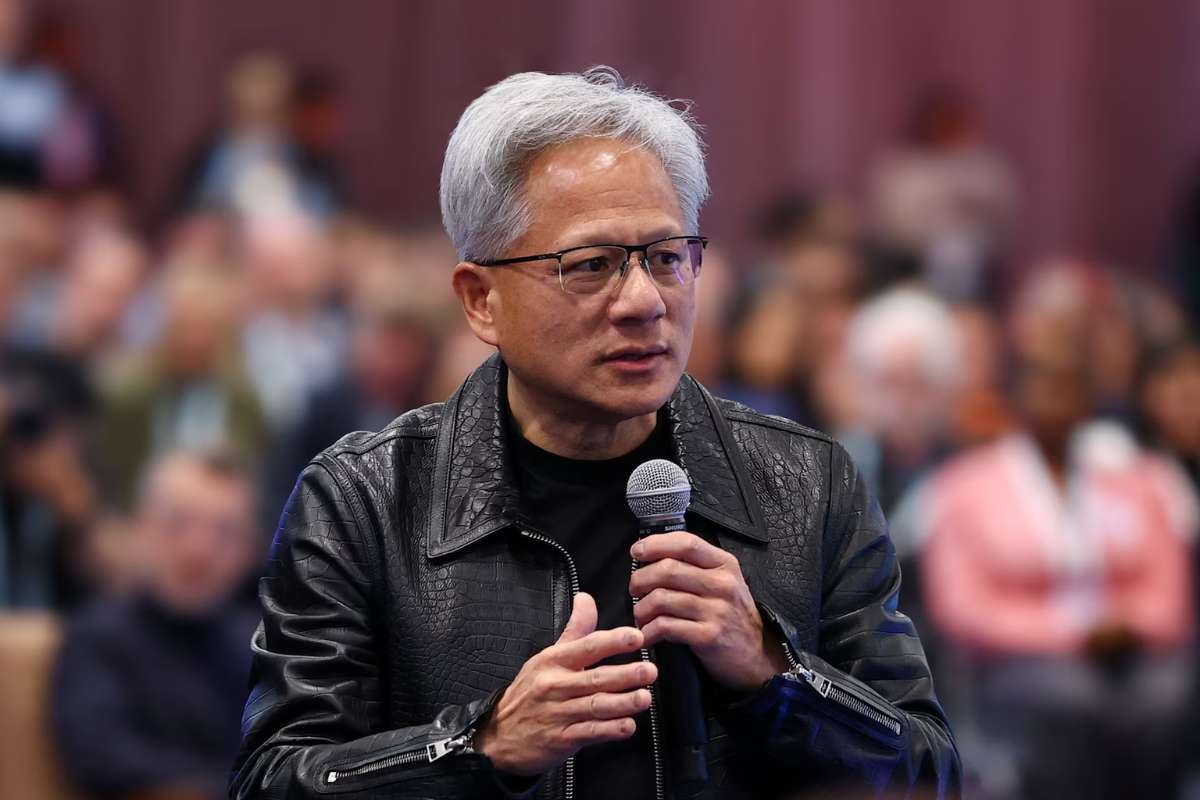
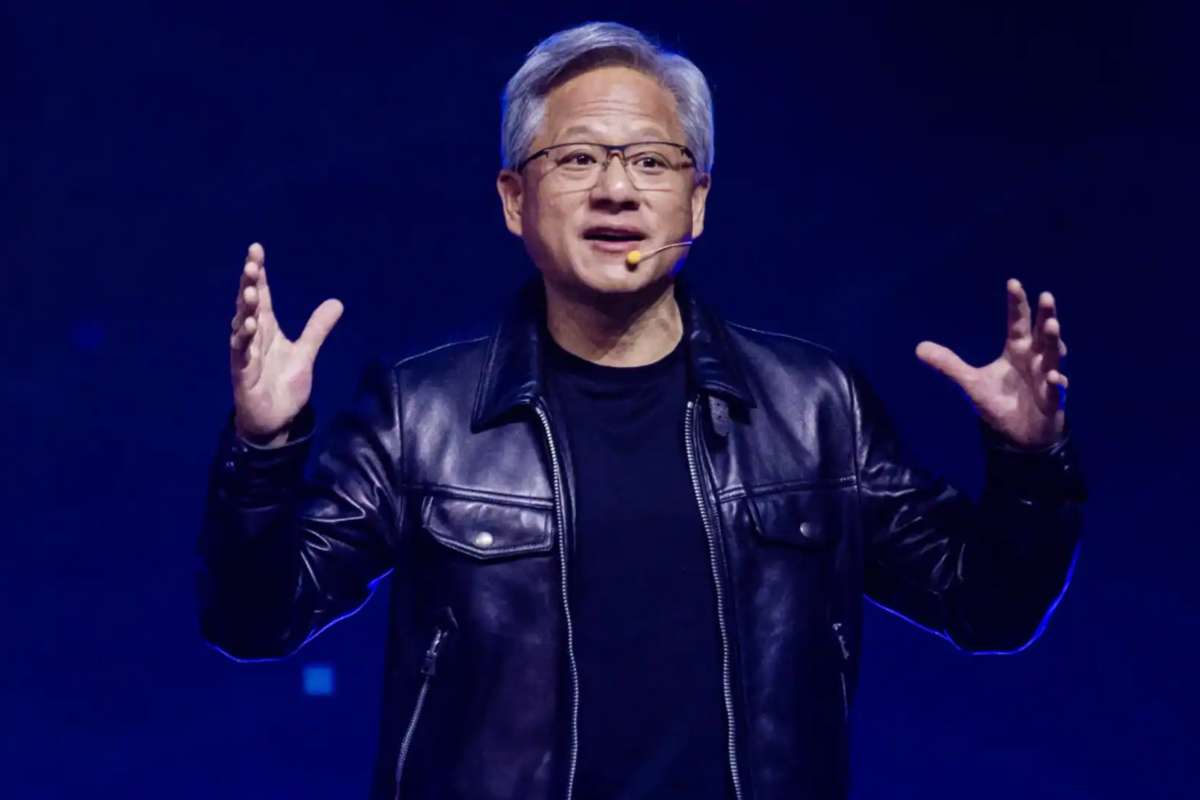
At its flagship GTC conference, Jensen Huang, the CEO of Nvidia, unveiled an ambitious roadmap that could redefine the global technology landscape. He projected that the artificial intelligence economy, particularly the infrastructure powering it, could surpass $1 trillion in value within the next few years. This bold forecast reflects the accelerating shift from experimental AI use cases to full-scale deployment across industries such as healthcare, finance, manufacturing, and consumer technology.
Jensen Huang highlighted a critical transition underway in the AI ecosystem: the move from training models to inference. While training involves building AI models using massive datasets, inference represents the real-world application of those models—powering chatbots, recommendation engines, autonomous systems, and enterprise automation. According to Jensen Huang, inference will dominate future demand, requiring faster, more efficient computing systems capable of operating in real time.
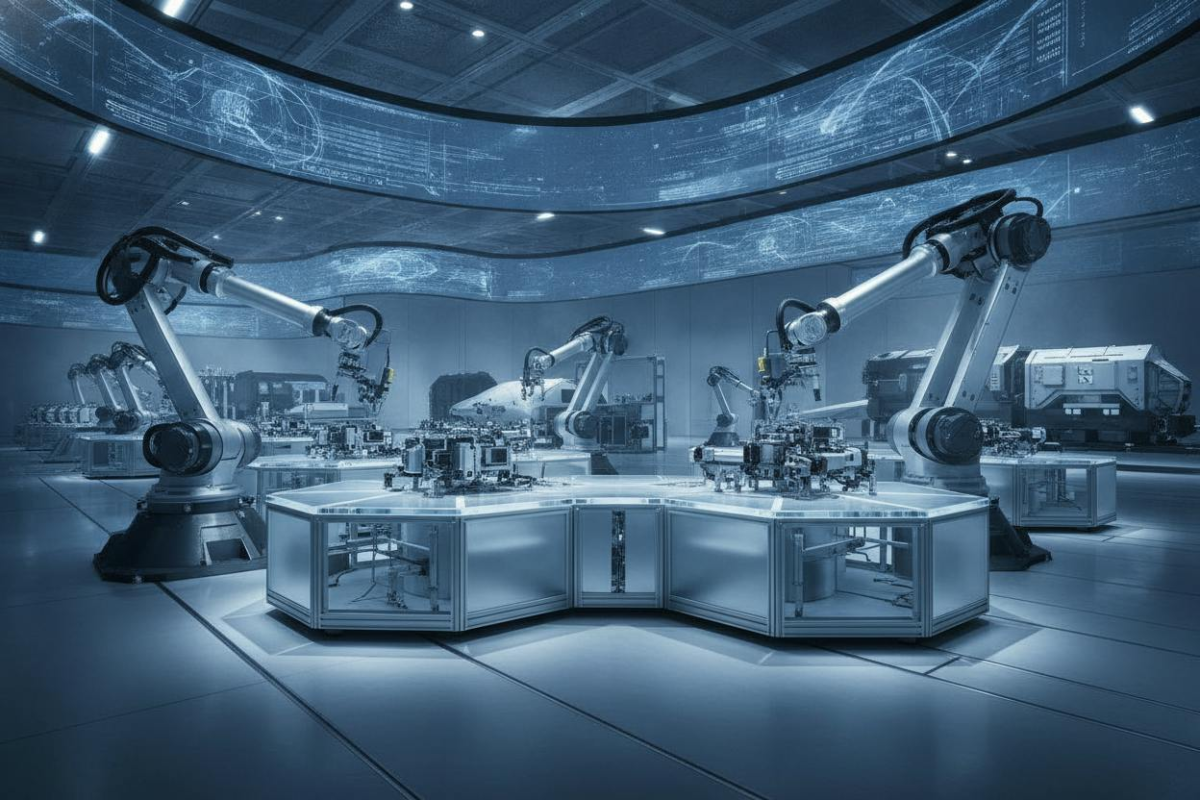
To support this shift, Nvidia introduced advanced AI chips and software platforms designed to optimize performance while reducing energy consumption. The company is also doubling down on its long-term strategy of becoming a full-stack AI infrastructure provider. This includes not just hardware, but also integrated software ecosystems, networking solutions, and cloud-ready platforms. With next-generation architectures already in development, Nvidia is positioning itself as the backbone of the AI revolution, even as competitors attempt to challenge its dominance.
Meta–Nebius Deal Signals High-Stakes Infrastructure Race
In parallel with Nvidia’s announcements, a major development in the AI infrastructure space underscored the growing urgency among tech giants to secure computing power. Meta Platforms entered into a long-term agreement with Nebius, potentially worth tens of billions of dollars over several years. The deal is expected to provide Meta with dedicated AI computing capacity starting later this decade, ensuring it can scale its AI initiatives without disruption.
The agreement reflects a broader industry trend: companies are no longer relying solely on on-demand cloud services. Instead, they are locking in long-term infrastructure partnerships to guarantee access to GPUs, data centers, and energy resources. As AI models become more complex and computationally intensive, the risk of supply shortages has grown significantly.
Nebius is expected to deploy cutting-edge Nvidia systems as part of the partnership, further strengthening the interconnected ecosystem between chipmakers, cloud providers, and end users. For Meta, this move represents a strategic investment in its future, particularly as it expands AI-driven products across social media, virtual reality, and enterprise tools. However, it also highlights the scale of capital required to compete in the AI race,e raising questions about long-term returns and financial sustainability.
Markets Rally as AI Compute Becomes the New Battleground
The combined impact of Nvidia’s GTC announcements and the Meta–Nebius deal triggered a strong response in financial markets. Shares of AI infrastructure companies surged, reflecting growing investor confidence in the sector’s long-term potential. Analysts increasingly believe that the next phase of the AI boom will not be defined solely by breakthroughs in algorithms, but by the ability to deliver computing power at scale.
NVIDIA’s strategy of investing in and partnering with cloud providers has further cemented its influence across the AI value chain. By enabling companies like Nebius to expand their infrastructure using Nvidia technology, the firm is effectively reinforcing its own ecosystem. This approach has created a powerful network effect, but it has also sparked concerns about concentration risk and the massive capital expenditures required to sustain growth.
Despite these challenges, the broader trajectory of the industry remains clear. As AI adoption accelerates globally, compute power is emerging as the most critical resource, arguably more valuable than data or algorithms themselves. The convergence of Nvidia’s long-term vision and Meta Platforms’ infrastructure commitment marks a pivotal moment for the sector.
In this new era, the race for AI dominance is no longer just about innovation; it is about who can build, control, and scale the systems that power the future.