Key Points:
- AI is shifting from conversation to autonomous, action-oriented systems like OpenClaw.
- Businesses are moving beyond chatbots to deploy AI agents that automate workflows at scale.
- Autonomous AI promises efficiency gains but raises concerns around accountability and ethics.
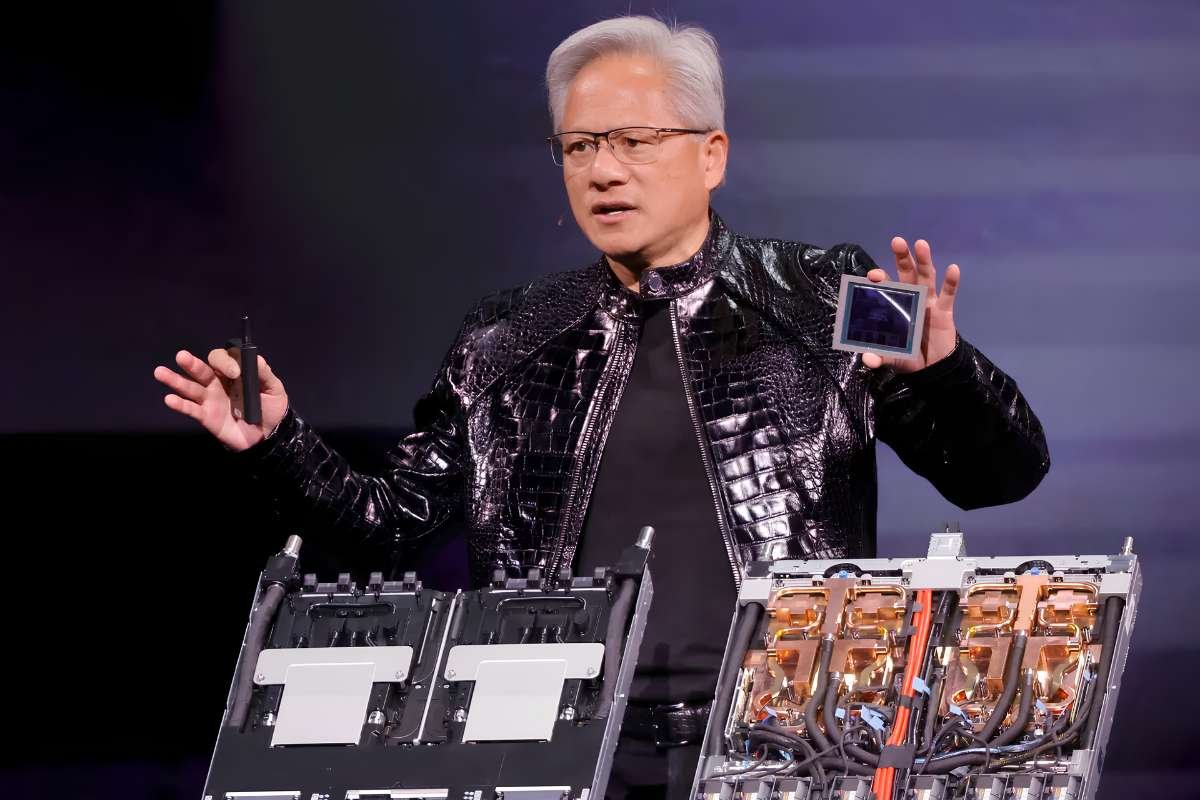
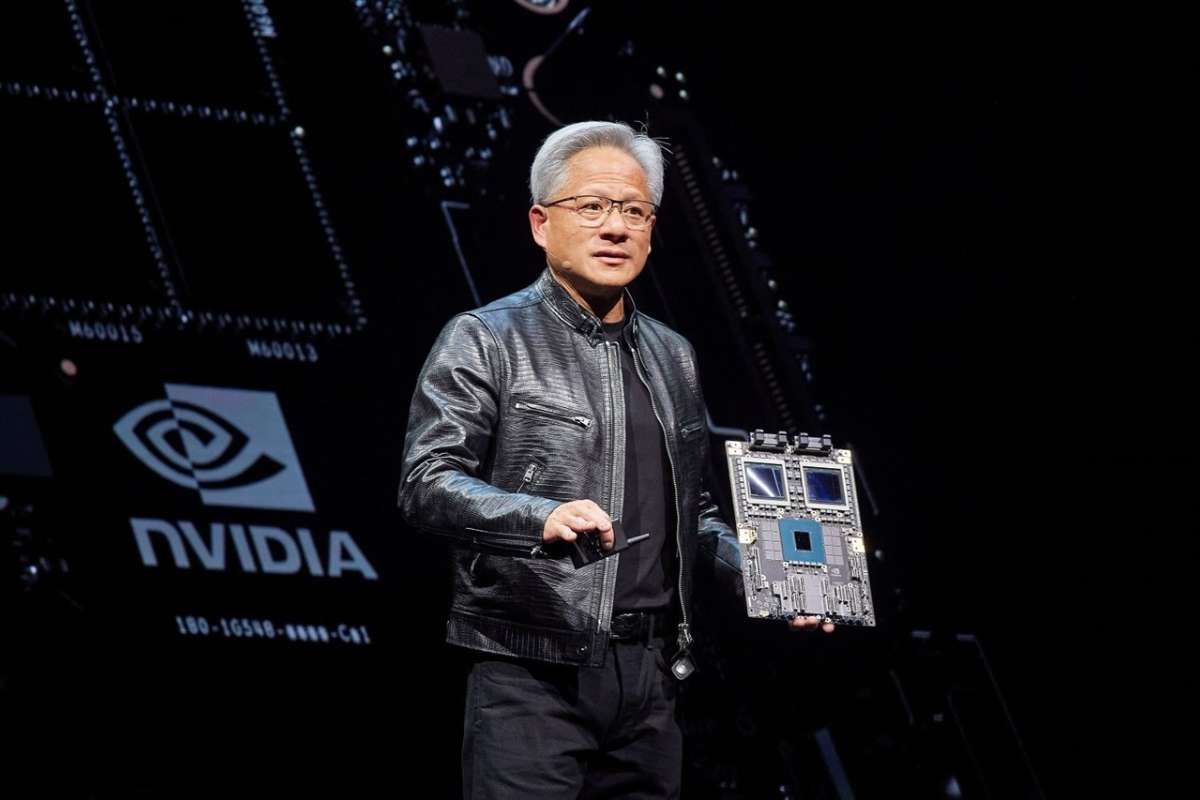
NVIDIA CEO Jensen Huang has sparked fresh debate in the technology world by declaring OpenAI as “definitely the next ChatGPT,” hinting at a major shift in how artificial intelligence will evolve. His statement reflects growing confidence that the current generation of conversational AI is only the beginning of a far more transformative wave.
For years, platforms like ChatGPT have defined the AI boom by enabling natural, human-like conversations. These systems revolutionized how people interact with machines, simplifying tasks such as writing, coding, and research. However, Jensen Huang’s remarks suggest that the industry is now moving beyond conversation-based tools toward systems that can take independent action.
OpenClaw represents this next step. Rather than simply responding to prompts, it is designed to function as an autonomous agent capable of executing tasks, making decisions, and adapting to dynamic environments. This evolution signals a transition from reactive AI to proactive intelligence, an idea that many experts believe could redefine how businesses and individuals use technology.
Given Nvidia’s central role in powering AI systems through its advanced chips and infrastructure, Jensen Huang’s endorsement carries significant weight. His perspective often reflects broader industry trends, making his comparison between OpenClaw and ChatGPT a strong indicator that a new AI paradigm is emerging.
The Rise of Agentic AI Systems
The growing attention around OpenClaw is part of a larger movement toward what is increasingly being called “agentic AI.” Unlike traditional models that rely on user input for every step, these systems are designed to operate with a degree of autonomy, handling multi-step processes and continuously improving over time.
Jensen Huang has emphasized that this shift will require businesses worldwide to rethink their AI strategies. Companies are no longer just experimenting with chatbots; they are preparing to deploy AI agents that can manage workflows, automate operations, and enhance productivity at scale. From customer service automation to supply chain optimization, the potential applications are vast.
NVIDIA has also been actively building infrastructure to support this transition. The company is working on platforms that allow enterprises to deploy AI agents securely, integrating features such as privacy safeguards and operational controls. This is crucial, as the rise of autonomous systems brings new challenges around trust, safety, and governance.
One of the defining characteristics of OpenClaw is its ability to function continuously. These AI agents can learn from new data, refine their performance, and adapt to changing conditions without constant human oversight. This makes them particularly valuable in environments where speed, efficiency, and scalability are critical.
The broader tech ecosystem is also aligning with this vision. Major players are investing heavily in next-generation AI models that move beyond static interactions. In this context, OpenClaw is being seen not just as a new tool, but as a representation of where the entire industry is headed.
Transforming Industries and the AI Economy
Jensen Huang’s comments point to a deeper transformation in the role of artificial intelligence across industries. The shift from conversational systems to action-oriented AI could fundamentally change how work gets done. Instead of assisting users, AI systems may soon take on responsibilities executing tasks, solving problems, and even making decisions in real time.
In enterprise settings, this could lead to significant gains in efficiency and cost reduction. AI agents could handle repetitive processes, analyze large datasets, and streamline operations without human intervention. In sectors like cybersecurity, they could respond to threats instantly, while in logistics, they could optimize supply chains with precision.
This evolution also has major implications for computing infrastructure. As AI systems become more complex and autonomous, the demand for high-performance hardware is expected to surge. This aligns closely with Nvidia’s long-term vision of an AI-driven economy, where advanced computing capabilities are essential to support innovation.
At the same time, the rise of autonomous AI raises important questions. Issues related to accountability, transparency, and ethical use will become increasingly critical as machines take on more responsibility. Ensuring that these systems operate safely and reliably will be a key challenge for both technology companies and regulators.
Despite these uncertainties, Huang’s strong endorsement of OpenClaw highlights the level of confidence within the industry. By framing it as the successor to ChatGPT, he has effectively set the stage for the next chapter in artificial intelligence, one defined not just by communication but by capability.
As the technology continues to develop, OpenClaw’s progress will be closely watched. If it delivers on its promise, it could mark the beginning of a new era where AI moves beyond answering questions to actively shaping outcomes in the real world.