Key Takeaway:
- Most Americans are skeptical of AI, with about 70% saying it is moving too fast and many doubting future economic benefits.
- AI CEOs (including leaders at Nvidia, OpenAI, and Microsoft AI) are surprised by backlash and see adoption as slower than expected.
- Public concern is driven by real-world issues like job risk, copyright disputes, scams, environmental impact, and AI misuse.
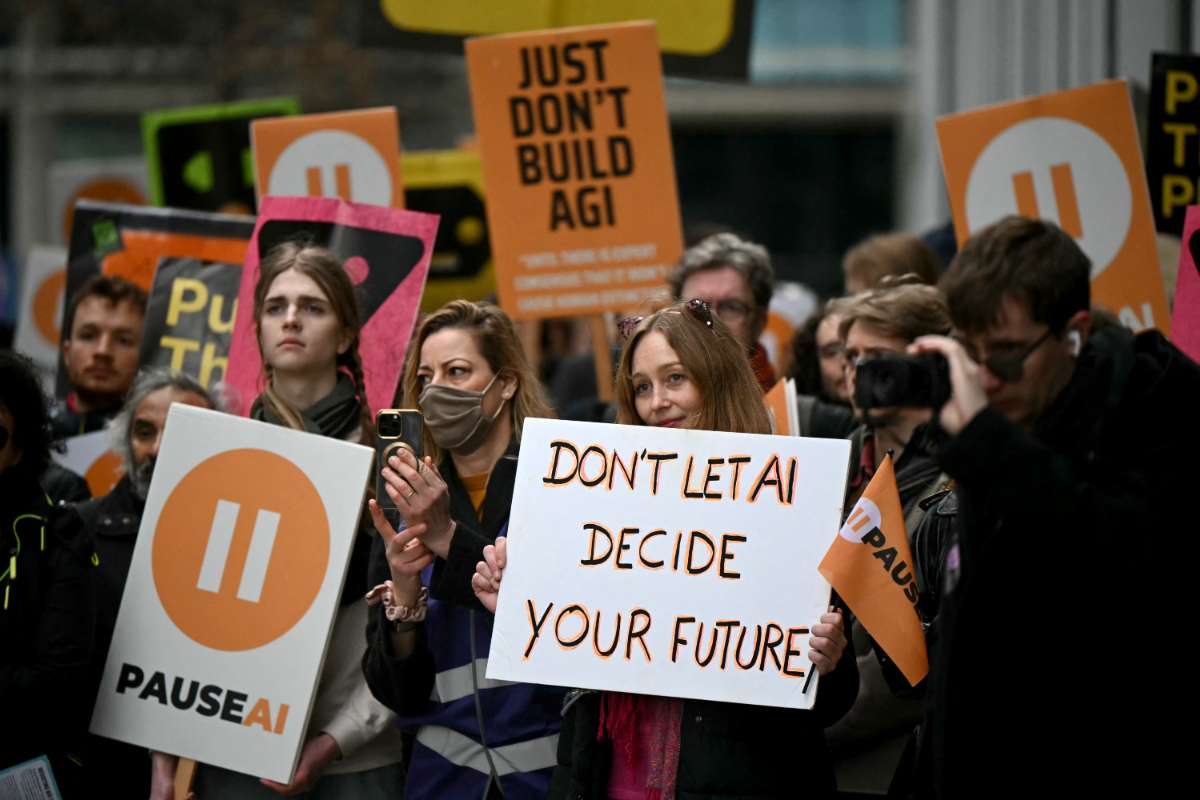
Top artificial intelligence CEOs are expressing confusion over widespread U.S. public skepticism of AI, even as polls show most Americans say the technology is moving too fast and may not deliver broad benefits.
According to an Economist/YouGov poll, about 70 percent of Americans believe AI CEOs Baffled is moving too fast, while roughly 64 percent say it is unlikely the general public will reap future economic benefits from it.
The reaction from industry leaders has ranged from frustration to disbelief as companies continue to integrate AI into products and workflows while facing persistent public resistance. Many companies have embedded AI into search, messaging, and productivity tools, often without clear opt-out options for users.
Public Skepticism Grows in National Polling
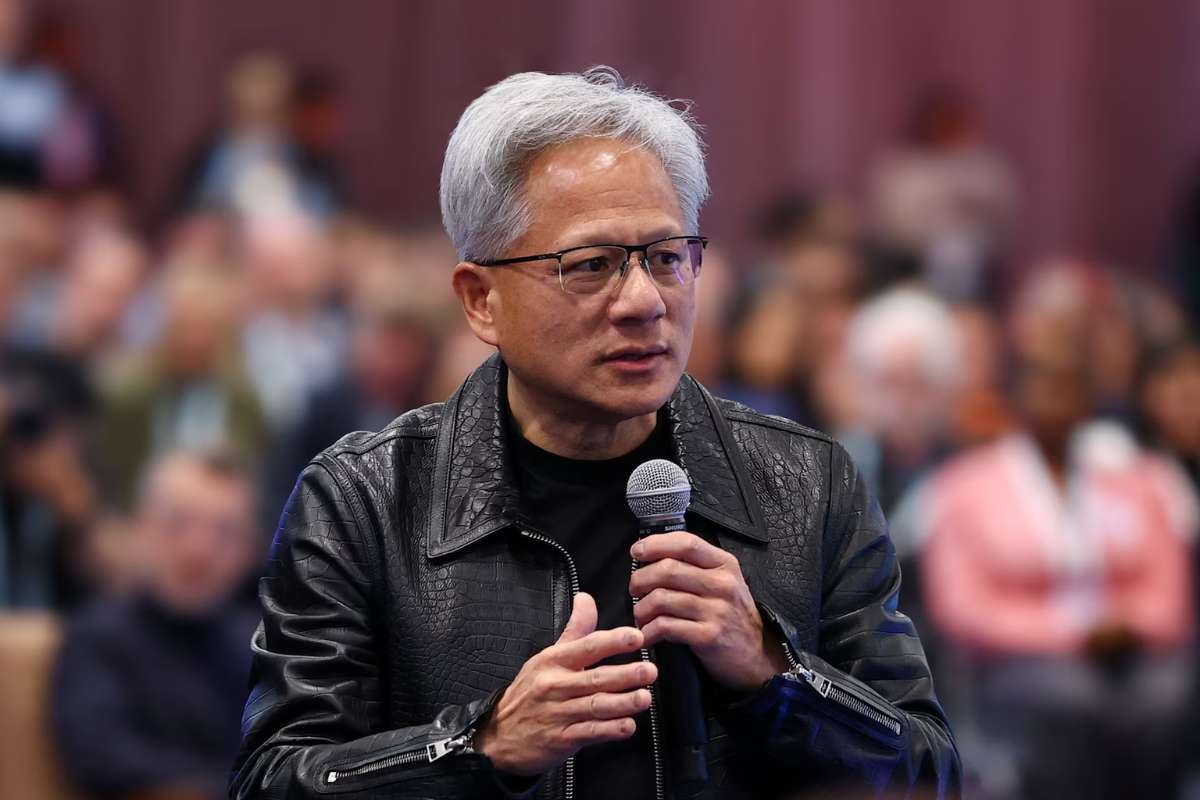
NVIDIA CEO Jensen Huang said in a podcast in January that backlash against AI has been “extremely hurtful,” blaming critics he described as “doomers” who push a negative narrative around the technology. He argued that public criticism often overlooks potential productivity gains and long-term economic benefits of AI systems.
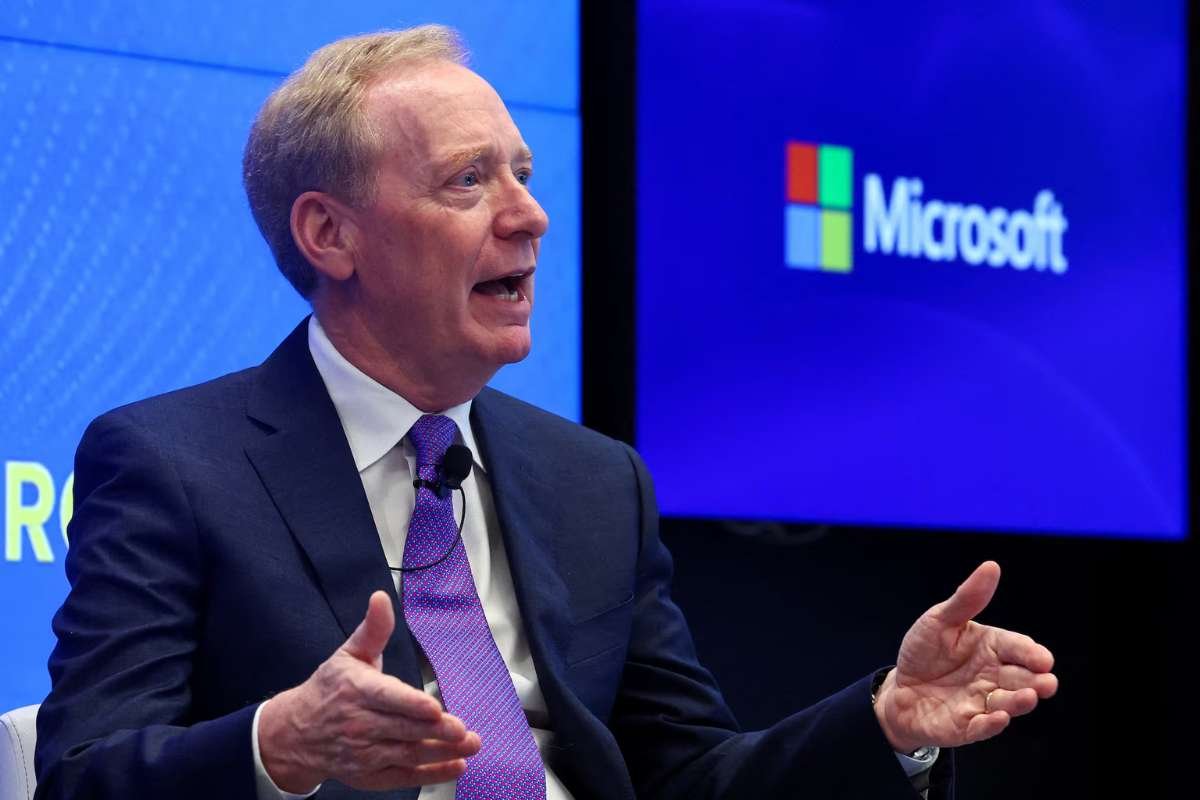
Microsoft AI CEO Mustafa Suleyman wrote on X last fall that there are “so many cynics,” adding that it “cracks me up when I hear people call AI underwhelming.”
OpenAI CEO Sam Altman said in February that, in his view, public embrace of AI “does feel sort of surprisingly slow,” given what he believes the technology can achieve. He added that regulatory uncertainty and public fear may be slowing adoption more than technical limitations.
Axios reporter Madison Mills wrote that AI executives across frontier labs have privately expressed surprise at negative opinions and see AI as an inevitable force similar to the internet. Some executives view this hesitation as a temporary phase in technology adoption cycles.
The disconnect highlights widening tensions between Silicon Valley expectations and public perception. Analysts say this divide is widening as AI tools become more visible in everyday services while expectations from industry leaders remain highly optimistic.
AI Leaders Express Surprise and Frustration
Beyond sentiment, AI CEOs Baffled critics point to growing real-world concerns tied to AI deployment, including job displacement, data usage disputes, environmental impacts, and safety risks.
In Memphis, residents have raised concerns about air pollution linked to xAI’s large data center, while legal and industry disputes continue over the use of copyrighted material to train AI systems. Some local advocates say such infrastructure developments often move faster than regulatory oversight and community review processes.
Experts also warn of increasing AI-enabled scams, disinformation campaigns, and cases of harmful or manipulative chatbot interactions that may contribute to psychological distress among some users. Technology analysts say these risks are increasingly difficult for regulators to track as tools evolve rapidly.
Superhuman Mail CEO Rahul Vohra has also drawn attention for dismissing negative polling, even as his company faces a class action lawsuit over an AI CEOs Baffled feature allegedly using likenesses without consent.
Gap Between AI Promises and Real-World Concerns Widens
The growing gap underscores how executives often frame AI in terms of long-term transformation, while many users experience immediate and sometimes disruptive consequences in daily life. Some experts argue that the gap may influence future regulation, consumer trust, and adoption rates across sectors.