
Chocolate often feels like a guilty pleasure. You reach for a small piece after dinner or grab a chocolate bar during a long day, and the first thought that follows is usually the same: Is this actually good for me? Is chocolate healthy? Many people love chocolate, yet they remain unsure whether it belongs in a healthy diet.
The answer to that question depends on the type of chocolate and how much you consume. Certain varieties, especially dark chocolate, contain antioxidants and nutrients that can support heart health and overall wellness. At the same time, chocolate products with high sugar and additives may offer fewer benefits.
Understanding the difference can help you enjoy chocolate. It will help you make smart choices for your health. So,
Is Chocolate Healthy?: 8 Benefits of Eating Chocolate
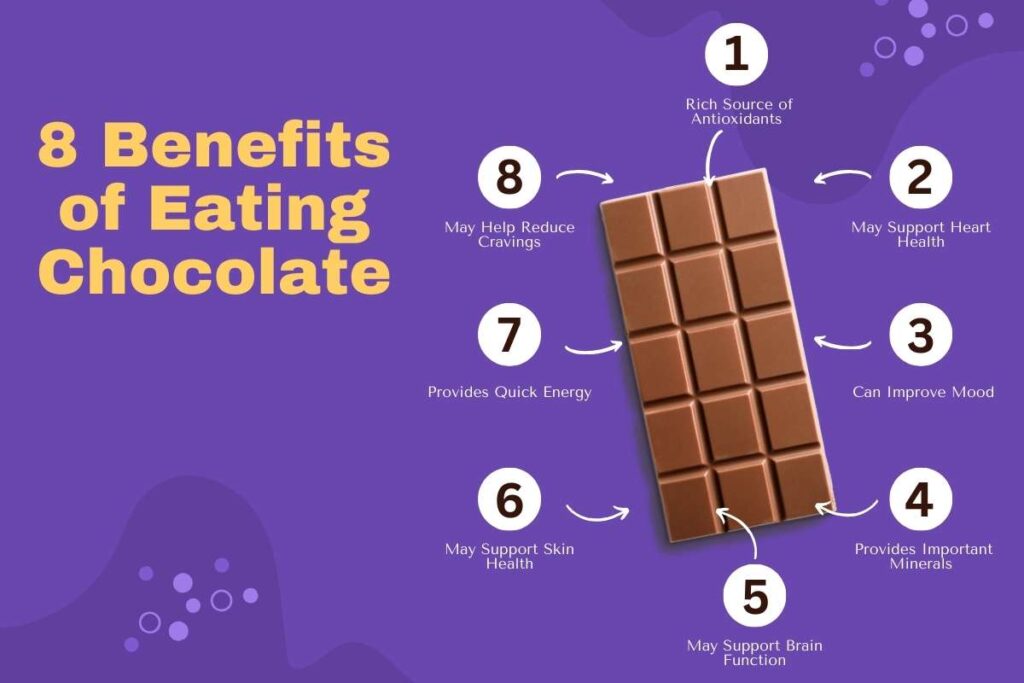
Chocolate, or specifically cocoa, contains natural compounds that may support several body functions. Many people ask the question is chocolate healthy, and the answer often depends on the type and amount you eat. Dark chocolate with high cocoa content usually offers the most benefits.
1. Rich Source of Antioxidants
Chocolate contains natural antioxidants called flavonoids. These compounds help protect cells from damage caused by unstable molecules called free radicals. Cell damage over time can speed up aging and raise disease risk.
Dark chocolate often has a high level of these antioxidants. Cocoa powder also contains many of the same compounds. When you choose chocolate with more cocoa, you usually get stronger antioxidant benefits.
2. May Support Heart Health
Cocoa compounds may help blood vessels stay relaxed. This allows blood to flow more easily through the body. Better circulation may support heart health over time.
Chocolate also contains small amounts of minerals that support the heart. Magnesium and potassium help maintain normal heart rhythm and muscle function. Dark chocolate usually contains more of these minerals than other types.
3. Can Improve Mood
Chocolate can affect the brain in several ways. It triggers the release of chemicals that influence mood and pleasure. Many people feel relaxed or happy after eating a small piece.
Chocolate also contains small amounts of compounds linked to feelings of comfort and calm. This effect may explain why people often crave chocolate during stress or low moods.
4. Provides Important Minerals
Cocoa contains several minerals the body needs each day. These include iron, magnesium, copper, and manganese. Each mineral supports different body functions.
Iron helps carry oxygen through the blood. Magnesium supports muscle and nerve activity. Copper and manganese help the body produce energy and protect cells.
5. May Support Brain Function
Chocolate contains compounds that may help blood flow to the brain. Healthy blood flow allows brain cells to receive oxygen and nutrients. This can support focus and mental alertness.
Many people notice better concentration after eating small amounts of dark chocolate. The mild stimulant effect of cocoa may also increase alertness.
6. May Support Skin Health
Cocoa contains compounds that help protect the skin from environmental stress. These compounds may support normal skin structure and hydration. Healthy blood flow can also help nourish skin cells.
Chocolate itself is not a skin treatment. However, cocoa compounds can support overall skin health when consumed in moderate amounts.
7. Provides Quick Energy
Chocolate contains carbohydrates and small amounts of fat. These nutrients provide quick energy for the body. This is one reason athletes sometimes eat chocolate during long activities.
Dark chocolate also contains a small amount of caffeine and theobromine. These natural stimulants may increase energy and alertness for a short time.
8. May Help Reduce Cravings
A small serving of chocolate can satisfy sweet cravings. The rich flavor makes people feel satisfied with smaller portions, which can influence how people answer the question, is chocolate healthy for daily snacks? This may help prevent overeating other sugary snacks.
Dark chocolate works best for this purpose because it has a strong flavor and lower sugar than milk chocolate.
What are the Health Risks Associated With Consuming Chocolate?
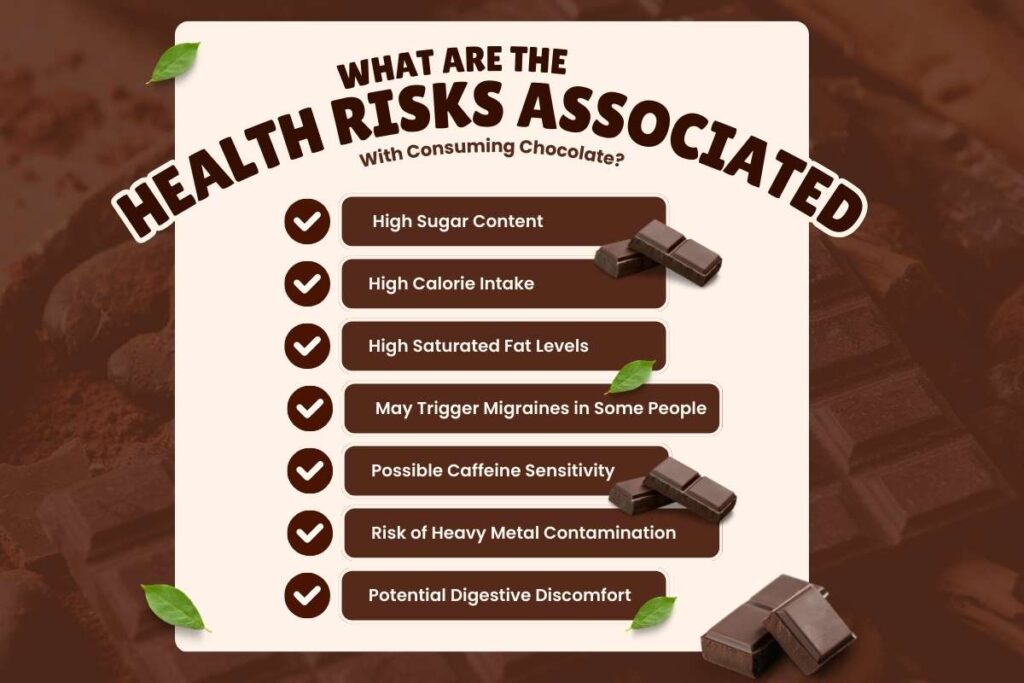
Chocolate can offer some benefits, but it also has risks. The health impact depends on how much you eat and the type of chocolate you choose. Many products contain large amounts of sugar and fat. Because of this, the question: Is chocolate healthy? often depends on moderation.
1. High Sugar Content
Many chocolate products contain large amounts of added sugar. Milk chocolate and white chocolate usually contain the most sugar. High sugar intake can lead to weight gain over time.
Too much sugar can also increase the risk of tooth decay. Bacteria in the mouth feed on sugar and produce acids. These acids can damage tooth enamel.
2. High Calorie Intake
Chocolate is energy-dense. A small portion contains many calories because it includes sugar and cocoa butter. Eating large amounts can quickly raise daily calorie intake.
Regular overconsumption may contribute to weight gain. Weight gain over time can increase the risk of several health problems. Portion control helps reduce this risk.
3. High Saturated Fat Levels
Chocolate contains cocoa butter, which is rich in saturated fat. Saturated fat can raise cholesterol levels when consumed in large amounts. High cholesterol may increase the risk of heart disease.
Dark chocolate often contains more cocoa butter than milk chocolate. While small portions may fit into a balanced diet, large servings may raise fat intake.
4. May Trigger Migraines in Some People
Some people report headaches after eating chocolate. Chocolate contains compounds such as caffeine and theobromine. Some people report headaches after eating chocolate, which adds another layer to the discussion around the topic: Is chocolate healthy for everyone?
The effect does not occur in everyone. People who notice headaches after chocolate may need to limit their intake.
5. Possible Caffeine Sensitivity
Chocolate naturally contains small amounts of caffeine. Dark chocolate usually contains more caffeine than milk chocolate. People who are sensitive to caffeine may feel restless or have trouble sleeping.
Large portions late in the evening may affect sleep quality. Choosing smaller servings earlier in the day may help reduce this effect.
6. Risk of Heavy Metal Contamination
Cocoa plants grow in soil that may contain trace metals. During processing, small amounts of metals such as lead or cadmium can appear in chocolate products. The amount varies across brands and cocoa sources.
Most products stay within safety limits when eaten in moderation. However, frequent large servings may increase exposure over time.
7. Potential Digestive Discomfort
Chocolate contains fat and caffeine-like compounds. These substances may relax the muscle that keeps stomach acid in place. When this happens, acid can move into the food pipe.
Some people may feel heartburn or acid reflux after eating chocolate. Large servings can increase the chance of this discomfort.
Is Chocolate Healthy According to Research?
Researchers have studied cocoa and chocolate for many years. Most studies focus on compounds called cocoa flavanols. These natural compounds exist in cocoa beans and dark chocolate. They may support heart health and improve blood flow.
One of the largest studies on cocoa and health is the Cocoa Supplement and Multivitamin Outcomes Study (COSMOS). This research examined whether cocoa flavanols could reduce the risk of heart disease and cancer. The study included more than 21,000 adults in the United States. Most participants were older adults with no major disease at the start of the study.
Participants took either a cocoa flavanol supplement or a placebo. The cocoa supplement provided about 500 mg of cocoa flavanols each day. Researchers then followed participants for several years to track major health outcomes.
The study results showed mixed findings. Cocoa supplements did not significantly reduce the total number of heart attacks or strokes. However, researchers noticed some positive signals in specific areas of heart health.
Key Takeaways From the COSMOS Study:
- Cocoa supplements did not significantly reduce total cardiovascular events.
- Researchers observed a lower risk of death from cardiovascular disease among participants taking cocoa flavanols.
- The study found no clear reduction in cancer risk during the research period.
- Researchers concluded that cocoa flavanols may support blood vessel function and heart health.
What Does This Mean for Chocolate?
The study focused on cocoa flavanol supplements, not regular chocolate bars. Many commercial chocolates contain sugar and lower cocoa content. Because of this, eating large amounts of chocolate does not provide the same benefits seen in research.
Small portions of dark chocolate with high cocoa content may offer some flavanols. However, moderation remains important when deciding is chocolate healthy for your diet.
Difference Between Dark, Milk, and White Chocolate
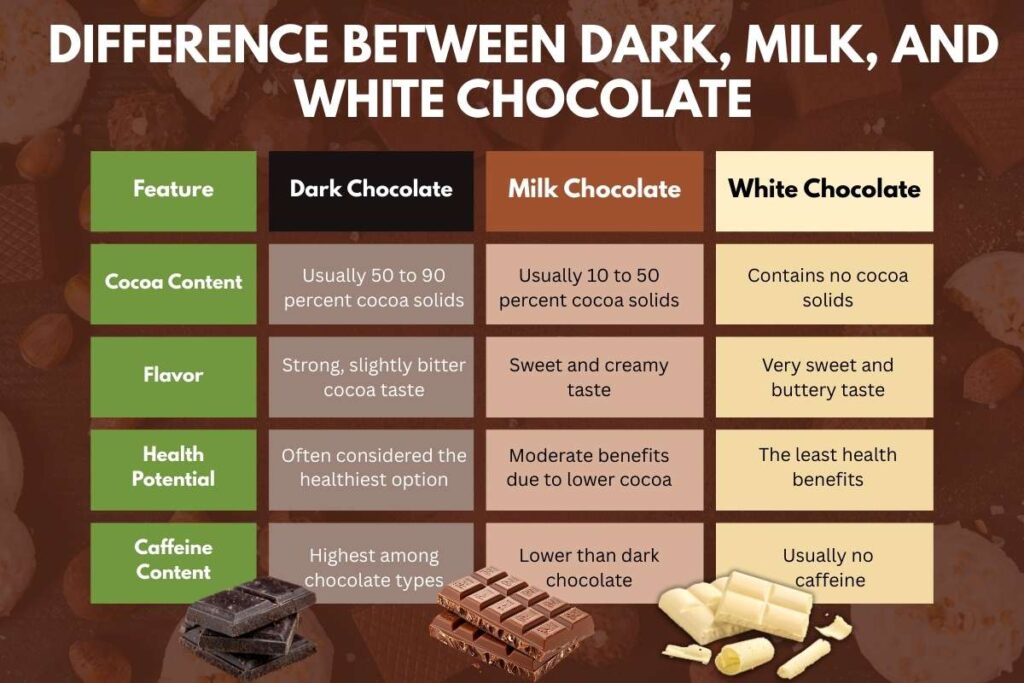
Chocolate comes in several forms. The three most common types are dark, milk, and white chocolate. Each type uses different ingredients and cocoa levels. These differences affect taste, nutrition, and health value.
| Feature | Dark Chocolate | Milk Chocolate | White Chocolate |
| Cocoa Content | Usually 50 to 90 percent cocoa solids | Usually 10 to 50 percent cocoa solids | Contains no cocoa solids |
| Flavor | Strong, slightly bitter cocoa taste | Sweet and creamy taste | Very sweet and buttery taste |
| Health Potential | Often considered the healthiest option | Moderate benefits due to lower cocoa | The least health benefits |
| Caffeine Content | Highest among chocolate types | Lower than dark chocolate | Usually no caffeine |
How to Choose Chocolate for Maximum Health Benefits?

Not all chocolate offers the same health value, which is why the query: Is chocolate healthy often depends on what you choose. Ingredients and cocoa content matter a lot. Many products contain more sugar than cocoa. Choose carefully if you want real cocoa benefits.
1. Choose High Cocoa Content: Cocoa holds most of the healthy compounds in chocolate. Dark chocolate often contains 70 percent cocoa or more. Higher cocoa levels usually mean more antioxidants and fewer additives.
2. Check the Ingredient List: Good chocolate uses only a few ingredients. These often include cocoa mass, cocoa butter, and sugar. Short ingredient lists usually signal better quality.
3. Watch the Sugar Content: Many chocolate bars contain large amounts of sugar. Too much sugar adds calories and lowers the nutritional value. Dark chocolate often contains less sugar than milk chocolate.
4. Control Portion Size: Chocolate is rich in calories and fat. Large servings can quickly raise calorie intake. A small piece, about 20 to 30 grams, is usually enough.
5. Choose Quality Cocoa: High-quality cocoa often keeps more natural compounds. Some brands process cocoa gently to preserve nutrients. Labels that show cocoa percentage can help guide your choice.
6. Avoid Highly Processed Chocolate: Many chocolate snacks include caramel, cream, or flavored fillings. These additions increase sugar and fat. Plain dark chocolate usually offers the best option.
7. Pair Chocolate With a Balanced Diet: Chocolate should complement healthy foods, not replace them. Fruits, vegetables, and whole grains still form the base of a good diet. Small portions of dark chocolate can fit into a balanced routine.
Conclusion:
So, is chocolate healthy? The answer depends on the kind of chocolate you choose and how you enjoy it. A small portion of quality dark chocolate can fit comfortably into a balanced diet and may even provide useful nutrients and antioxidants. The key lies in moderation and making thoughtful choices instead of treating every chocolate product the same.
For many people, chocolate is one of life’s simple pleasures. When you understand what goes into it and how it affects your body, you can enjoy it without the guilt. Choosing better quality chocolate and keeping portions reasonable allows you to satisfy your cravings while still caring for your health.
FAQs
1. Is chocolate healthy to eat every day?
Chocolate can be part of a daily diet if eaten in small portions, especially when choosing dark chocolate with higher cocoa content.
2. Which type of chocolate is the healthiest?
Dark chocolate with a high cocoa percentage usually contains more antioxidants and less sugar compared to milk chocolate.
3. Is chocolate healthy for your heart?
Dark chocolate contains antioxidants called flavonoids that may support heart health by helping improve blood circulation and reducing inflammation.