Key Points:
- Elon Musk offered to personally fund TSA salaries during the DHS shutdown, but the White House rejected it.
- Legal and ethical frameworks prevent private individuals from directly paying federal employees.
- TSA workers and travelers continue to face mounting strain as the DHS shutdown drags on without resolution.
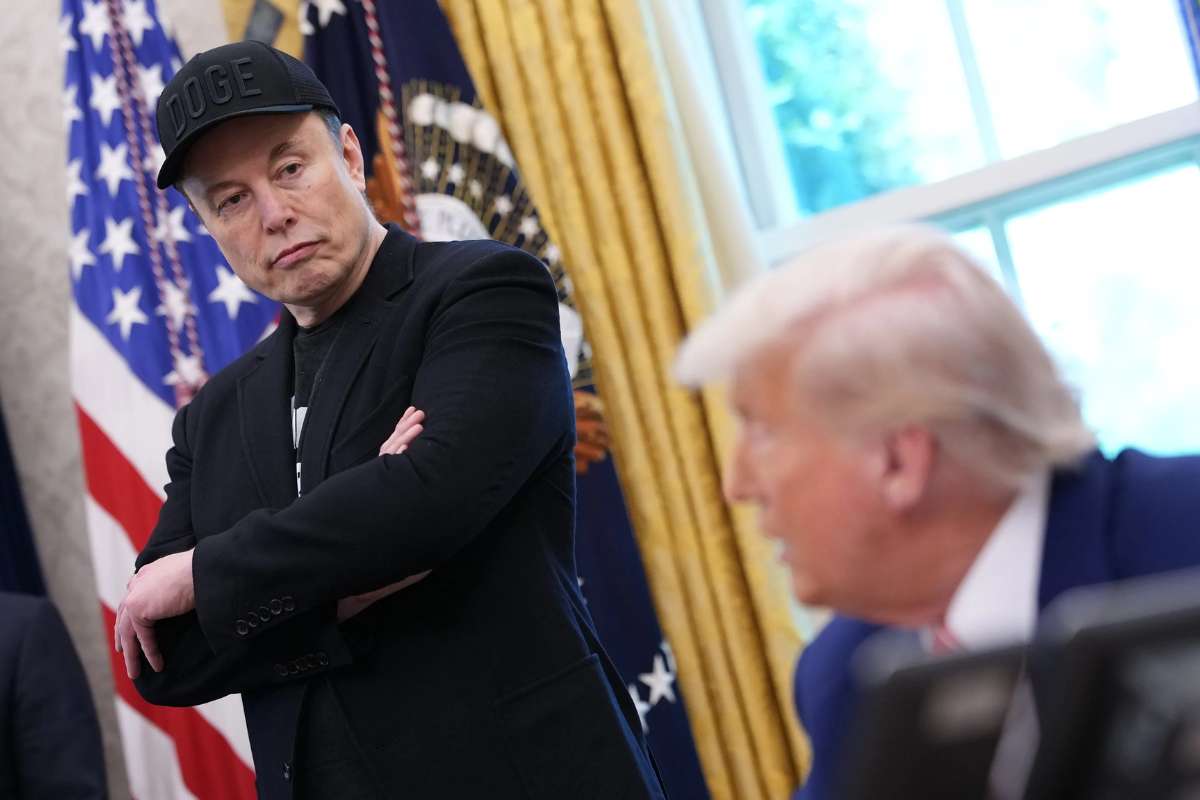
As the partial shutdown of the Department of Homeland Security (DHS) stretches on, an unexpected intervention from Elon Musk briefly shifted public attention to the growing crisis. With thousands of Transportation Security Administration (TSA) workers continuing to report for duty without pay, Elon Musk proposed personally covering their salaries until the funding deadlock is resolved.
The offer emerged at a critical moment, as the effects of the shutdown became increasingly visible across the country. TSA officers, deemed essential to national security, have now missed multiple pay cycles while continuing to manage airport security operations. The financial strain on workers has raised serious concerns about morale, retention, and operational stability.
Airports, particularly during peak travel periods, have begun to feel the impact. Reports of longer wait times, reduced staffing, and mounting fatigue among workers have underscored the pressure on the system. Elon Musk’s proposal, shared publicly, was seen by some as a bold attempt to provide immediate relief, while others viewed it as a reflection of how severe the situation had become.
The idea quickly sparked widespread debate among policymakers, industry leaders, and the public. Supporters argued that it could offer temporary relief to struggling workers, while critics questioned the implications of private individuals stepping into roles traditionally reserved for government institutions.
Legal Framework Forces White House to Decline Offer
Despite the attention and mixed reactions the proposal generated, the White House ultimately rejected Musk’s offer, citing clear legal and ethical limitations. Federal laws require that government employees be paid through funds allocated by Congress, ensuring transparency, accountability, and consistency in public sector compensation.
Officials emphasized that allowing a private individual to directly pay federal workers would violate these established frameworks. Beyond the legal barriers, concerns were also raised about potential conflicts of interest, given Elon Musk’s extensive business dealings with the federal government.
The administration acknowledged the goodwill behind the proposal but maintained that such an arrangement could not be implemented without undermining long-standing principles governing public institutions. Accepting external funding for federal salaries, even temporarily, could set a complex precedent, potentially opening the door to private influence over government operations.
Experts echoed these concerns, noting that federal pay structures are designed to prevent precisely such scenarios. Introducing private funding into the system could complicate oversight and blur the lines between public responsibility and private intervention.
While some political figures expressed support for the idea, the broader consensus within the administration remained firm: resolving the shutdown must come through legislative action, not external solutions.
Workers and Travelers Bear the Ongoing Impact
With Elon Musk’s proposal off the table, the focus has returned to the unresolved political stalemate in Washington. The DHS shutdown, driven by disagreements over funding and policy priorities, continues to take a toll on both federal employees and the traveling public.
TSA workers remain among the hardest hit. Many are facing growing financial hardship, with some reportedly seeking temporary jobs or considering leaving their positions altogether. Rising absenteeism has further strained airport operations, creating a ripple effect that impacts millions of passengers.
Travelers are already experiencing the consequences. Longer security lines, intermittent delays, and reduced efficiency at checkpoints have become more common, particularly at major airports. While contingency measures have been implemented to manage staffing shortages, concerns persist about how sustainable these efforts are if the DHS Shutdown continues.
Beyond immediate disruptions, the situation has sparked broader questions about the resilience of critical infrastructure during funding crises. The reliance on unpaid essential workers has highlighted vulnerabilities within the system, raising concerns about long-term workforce stability and national security readiness.
Meanwhile, negotiations in Congress remain at an impasse, with little indication of a swift resolution. Both sides continue to stand firm on key issues, prolonging uncertainty for federal employees and the industries that depend on them.
In this context, Musk’s proposal, though ultimately rejected, serves as a striking symbol of the extraordinary circumstances created by the DHS Shutdown. It underscores not only the scale of the disruption but also the limits of unconventional solutions in addressing deeply rooted political and institutional challenges.
Until lawmakers reach an agreement, the burden of the DHS Shutdown is likely to persist, leaving TSA workers and travelers navigating an increasingly strained system.
Explore Visionary CIOs Magazine for the latest insights and updates.