Key Points:
- Nike refocuses on core sports under Hill’s “Win Now” plan.
- Financial strain persists with falling profits and weak demand.
- China’s losses and global headwinds cloud recovery.
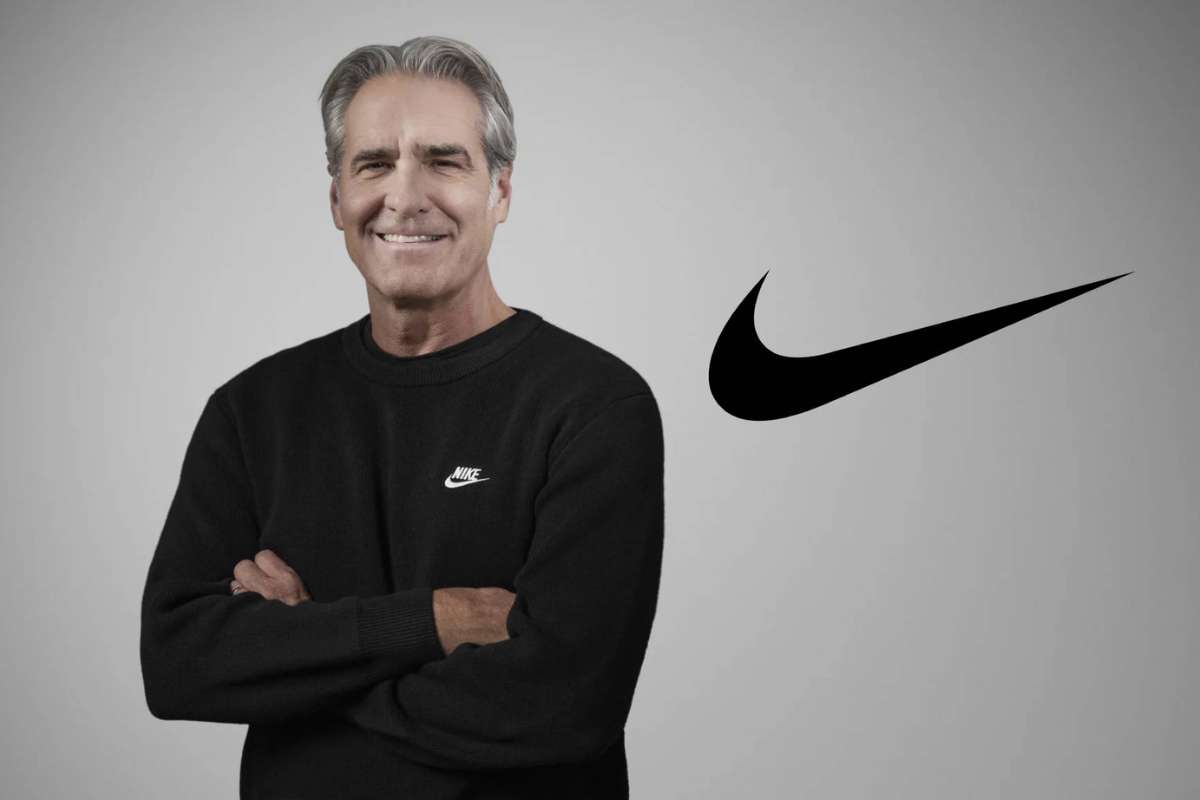
Nike is undergoing a deep strategic transformation under CEO Elliott Hill, who is leading an ambitious effort to restore the company’s identity as a performance-driven sports brand. The shift marks a clear break from Nike’s earlier emphasis on lifestyle and fashion-led products, as leadership now focuses on strengthening its core sports categories, including running, football, and basketball.
Elliott Hill’s approach, widely described as a “Win Now” strategy, aims to simplify operations and refocus the company on athletic authenticity. Rather than expanding broadly into lifestyle markets, Nike is now prioritizing innovation in performance footwear and apparel, targeting serious athletes and sport-specific consumers.
Early results suggest mixed but encouraging signs. Nike’s running division has emerged as a key growth driver, delivering strong double-digit gains in recent quarters. This segment is increasingly being used internally as a blueprint for revitalizing other categories. The company is also preparing a renewed global push in football, positioning itself ahead of major international tournaments to regain dominance in one of its most competitive product segments.
Elliott Hill has compared the transformation to rebuilding a large structure from the ground up, acknowledging that short-term disruption is unavoidable. The company is actively restructuring product lines, streamlining decision-making, and rebalancing marketing priorities to ensure that sport remains at the center of its brand identity.
Financial Struggles Intensify Despite Strategic Progress
Despite the strategic clarity of its turnaround plan, Nike continues to face significant financial pressure. The company recently reported nearly flat revenue of $11.3 billion, accompanied by a steep year-over-year decline in profitability of approximately 35%. While earnings slightly exceeded expectations, investor sentiment weakened due to cautious forward guidance.
Nike has warned that revenue could decline by 2% to 4% in the coming quarter, reflecting ongoing weakness across multiple business segments. The company continues to deal with excess inventory, aggressive discounting, and uneven consumer demand across global markets. Some of the most noticeable softness has been seen in digital channels and in the Converse brand, both of which are struggling to regain momentum.
Direct-to-consumer performance, once a major growth engine for Nike, has also softened, while wholesale channels have shown relatively stronger stability. This shift indicates that the company’s retail strategy is still adjusting to post-pandemic demand patterns and evolving consumer purchasing behavior.
Financial markets have responded negatively to these trends, with Nike’s stock falling to multi-year lows. Investors are increasingly concerned about the pace of the turnaround and the company’s ability to deliver consistent growth in a highly competitive global sportswear market. Analysts have pointed to margin pressure, inventory challenges, and uncertain global demand as key risks that could delay recovery.
Within the organization, executives have emphasized cost control and operational discipline as immediate priorities. However, despite these measures, the broader financial picture remains under pressure, with recovery expected to take longer than initially anticipated.
China Weakness, Global Headwinds, and an Uncertain Recovery Path
One of the most significant challenges in Nike’s global portfolio is its weakening performance in China, a market that once served as a major growth engine. The company is now facing sustained double-digit declines in the region, driven by intensifying competition from domestic brands and a slowdown in consumer demand.
Local competitors such as Anta and Li Ning have steadily gained market share, offering strong domestic appeal and competitive pricing. This shift has forced Nike into a defensive position in one of its most strategically important markets. What was once considered a high-growth opportunity is now becoming a long-term structural challenge.
Beyond China, Nike is also navigating a difficult global environment marked by geopolitical uncertainty, supply chain disruptions, and shifting consumer preferences. Inflationary pressures and cautious consumer spending have increased demand for value-oriented products, putting pressure on premium pricing strategies.
The company is also managing inventory overhang, which has led to continued promotional activity across several regions. While some product categories show early signs of stabilization, the overall recovery remains uneven, with gains in certain segments offset by declines elsewhere.
Despite these challenges, Elliott Hill continues to frame Nike’s transformation as a long-term journey rather than a short-term fix. The company’s leadership remains focused on rebuilding brand strength, improving operational efficiency, and reinforcing its position in core sports categories.
However, the path forward remains uncertain. Nike’s success will depend heavily on its ability to execute consistently, stabilize performance in key international markets, and adapt to rapidly changing consumer behavior. For now, the company remains in a critical transition phase, balancing the pressure of immediate financial struggles with the ambition of long-term brand renewal.