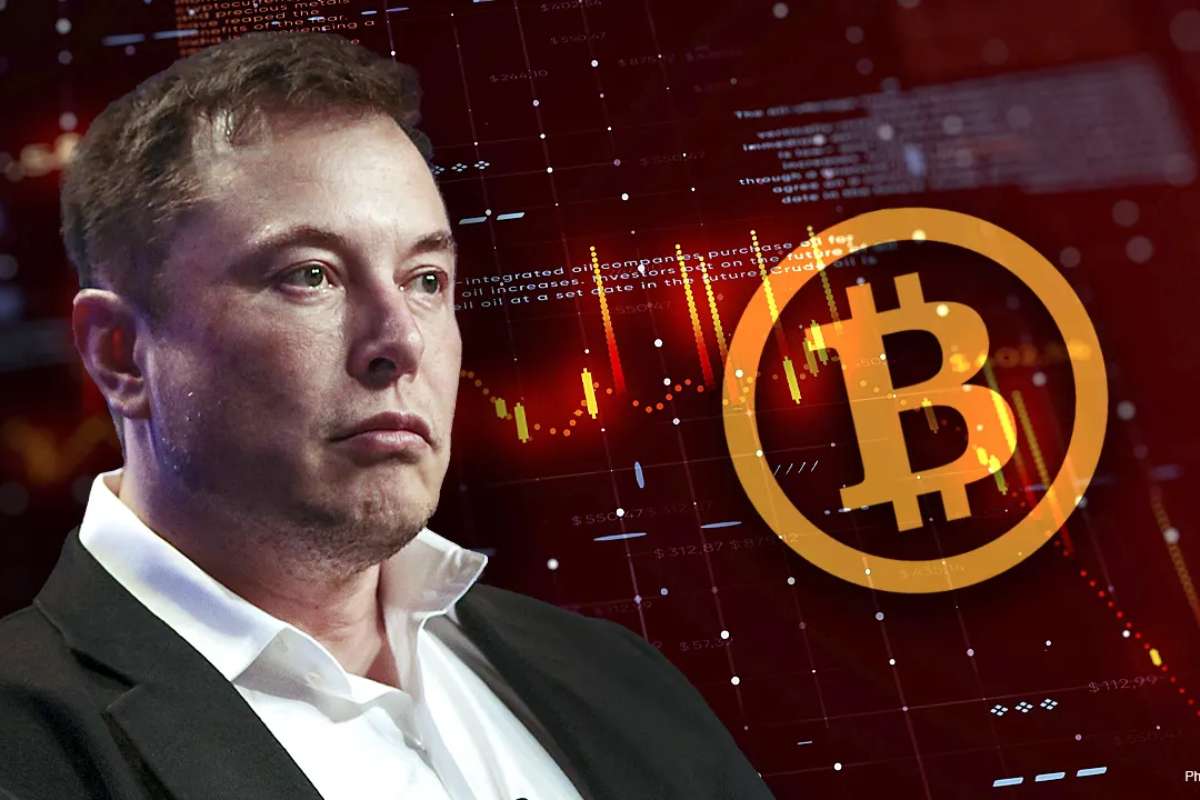
Elon Musk has once again stirred global crypto discussions, this time with a warning that strikes at the technological core of Bitcoin. He cautioned that rapid advancements in quantum computing could eventually undermine the encryption systems that secure the world’s largest cryptocurrency.
While the threat is not immediate, Elon Musk’s Bitcoin emphasized that the industry may be working against time. He pointed to a potential window closing around 2029, suggesting that by then, quantum machines could become powerful enough to break the cryptographic safeguards protecting Bitcoin wallets and transactions. Such a development would represent a fundamental shift, exposing private keys and leaving digital assets vulnerable to sophisticated cyberattacks.
This concern is rooted in the nature of Bitcoin’s security model, which relies heavily on complex mathematical algorithms. These systems are currently considered nearly impossible to crack using classical computers. However, quantum computing operates on an entirely different paradigm, with the potential to solve such problems exponentially faster.
Elon Musk’s Bitcoin remarks have amplified an ongoing conversation within the blockchain and cybersecurity communities. Developers are now under increasing pressure to explore quantum-resistant cryptographic solutions that can withstand future technological disruptions. The challenge lies in implementing these upgrades without compromising the decentralized nature of the Bitcoin network.
Investor Sentiment Shaken as Market Volatility Looms
The warning has had an immediate psychological impact on the cryptocurrency market, with investors reacting to the possibility of a long-term structural risk rather than a short-term fluctuation. Bitcoin, which has historically been influenced by Musk’s statements, once again found itself at the center of heightened uncertainty.
Unlike regulatory crackdowns or macroeconomic shifts, the quantum computing threat introduces a deeper concern, one that questions the very foundation of blockchain security. This has led to renewed fears of a potential price correction, as investors reassess the long-term viability of their holdings.
Market participants are particularly sensitive to systemic risks, and the idea that Bitcoin’s encryption could eventually be compromised has added a layer of caution. Even the perception of vulnerability can trigger sell-offs, as traders move to protect their positions in an unpredictable environment.
At the same time, some analysts have urged restraint, arguing that quantum computing is still in its developmental stages. They note that achieving the scale and stability required to break Bitcoin’s encryption is a complex challenge that may take longer than anticipated. Despite this, the market often reacts not just to reality but to expectations, and Musk’s warning has been enough to shift sentiment.
The episode highlights Bitcoin’s ongoing sensitivity to influential voices. Musk, in particular, has a track record of moving markets with his comments, and his latest statement has once again demonstrated the power of narrative in shaping investor behavior.
A Critical Countdown for the Crypto Ecosystem
Elon Musk’s Bitcoin reference to a 2029 timeline is being interpreted as a wake-up call for the entire cryptocurrency ecosystem. It places a clear, if debated, deadline on the need for innovation and adaptation. For developers, investors, and institutions alike, the message is clear: preparation cannot be delayed.
Efforts to develop post-quantum cryptography are already underway, with researchers exploring new algorithms designed to resist quantum attacks. These solutions could eventually be integrated into blockchain networks, but the process is far from simple. Upgrading a decentralized system like Bitcoin requires widespread consensus, rigorous testing, and careful execution.
Beyond Bitcoin, the implications extend to the broader financial and technological landscape. Quantum computing has the potential to disrupt not only cryptocurrencies but also traditional banking systems, secure communications, and global cybersecurity frameworks. As such, the race to build quantum-resistant infrastructure is becoming a priority across industries.
For Bitcoin, the coming years may prove decisive. Its dominance in the crypto market has been built on trust, security, and resilience. Elon Musk’s Bitcoin warning, however, underscores that these strengths must evolve alongside technological progress.
Whether the 2029 timeline proves accurate or not, the underlying message remains significant. The future of Bitcoin will depend not just on adoption and market demand, but on its ability to adapt to a rapidly changing technological environment. As the countdown begins, the crypto industry faces one of its most important challenges yet: ensuring that the foundation of digital finance remains secure in the age of quantum innovation.
For the latest insights, visit Visionary CIOs Magazine.