Key points:
- OpenAI asked regulators to probe Musk’s actions as anti-competitive.
- Musk claims OpenAI abandoned its nonprofit mission, which the company disputes.
- The trial could set precedents for AI governance and competition.
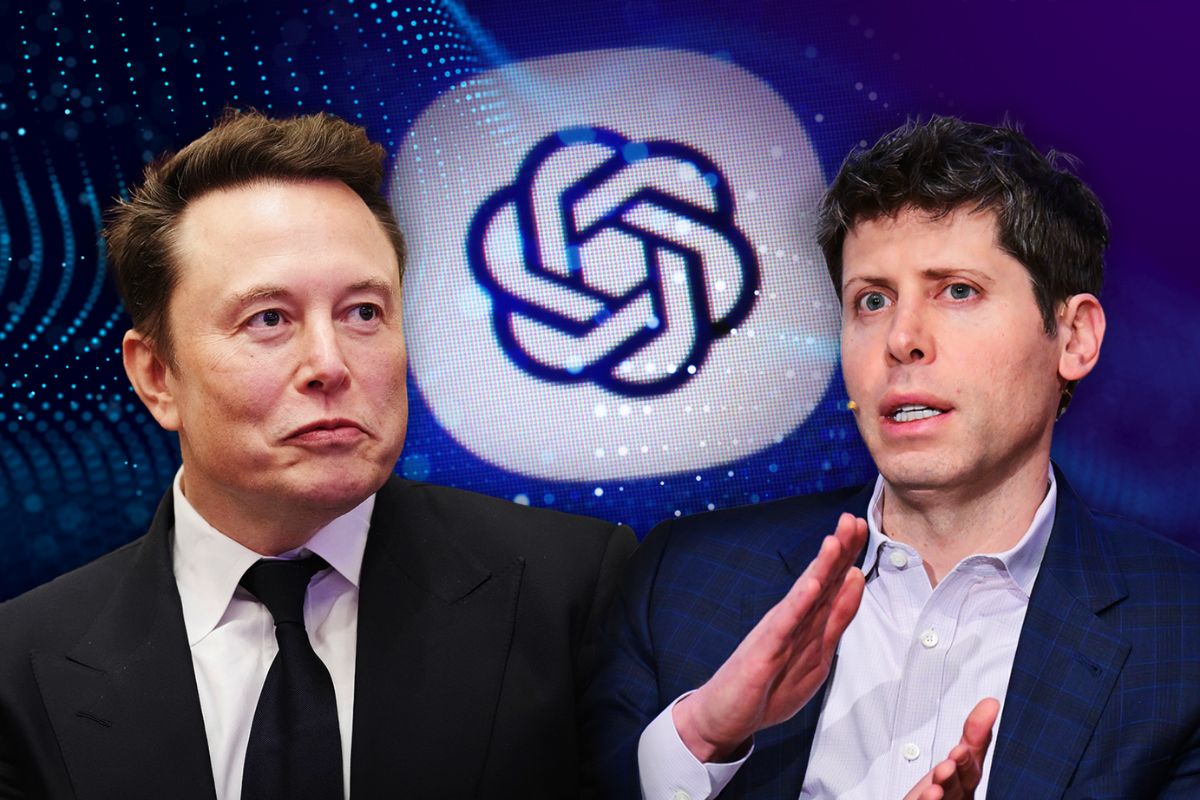
OpenAI has significantly escalated its ongoing legal confrontation with co-founder Elon Musk by urging authorities in California and Delaware to investigate what it describes as potentially anti-competitive conduct. The move comes just weeks before a high-stakes trial between the two sides, expected to begin in April 2026.
By formally requesting regulatory scrutiny, OpenAI is expanding the conflict beyond the courtroom and into the domain of public oversight. The company has raised concerns that Elon Musk’s recent actions, particularly those connected to his involvement in competing artificial intelligence ventures, could distort fair competition for AI Governance in a rapidly growing and strategically important industry.
This step signals a shift in strategy. Rather than solely defending itself against Musk’s claims, OpenAI is now positioning the dispute as a broader issue affecting the entire AI ecosystem. The company appears to be framing its concerns not just as a private disagreement, but as a matter of market integrity that could influence how artificial intelligence companies operate and compete in the future.
A Deepening Rift Between Former Allies
The roots of the conflict lie in the breakdown of a once-close partnership. Elon Musk co-founded OpenAI in 2015 but departed from the organization in 2018 amid differences over its direction. Years later, in 2024, he initiated legal action against the company, alleging that it had deviated from its original nonprofit mission.
Musk’s central argument is that OpenAI’s transition toward a hybrid model combining nonprofit oversight with for-profit operations undermines its founding goal of developing artificial intelligence for the broader public good. He has also criticized the company’s alignment with Microsoft, suggesting that such partnerships signal a stronger tilt toward commercialization.
The lawsuit reportedly involves claims for substantial financial damages, raising the stakes considerably. OpenAI, however, has strongly disputed these allegations, arguing that Musk’s claims misrepresent both its intentions and its operational model. The company has also countered that Musk himself had, at one point, explored similar structural approaches during his time with the organization.
The rivalry has grown sharper with Elon Musk’s launch of xAI, which now operates as a direct competitor in the AI space. This overlap between legal conflict and business competition has complicated the situation, blurring the lines between ideological disagreement and market rivalry.
Broader Implications for the Future of AI Governance
The dispute between OpenAI and Elon Musk is increasingly being viewed as a defining moment for the artificial intelligence industry. At its core, the conflict reflects a larger debate about how AI should be developed, governed, and monetized.
OpenAI has indicated that prolonged litigation and aggressive legal challenges could disrupt its research efforts, particularly in areas related to advanced AI systems and artificial general intelligence (AGI). The company maintains that such work carries significant societal importance and that instability could slow progress at a critical time in technological development.
Beyond the immediate legal stakes, the case raises fundamental questions about the evolution of AI organizations. As more companies transition from nonprofit origins to commercially driven structures, regulators may face increasing pressure to define clear guidelines around accountability, competition, and public interest.
The outcome of this legal battle could set important precedents not only for founder disputes but also for how competition is regulated in an industry dominated by a handful of influential players. It may also influence how partnerships, funding models, and AI Governance frameworks are structured in the years ahead.
As the trial approaches, industry observers are closely watching how the situation unfolds. The clash between OpenAI and Musk is no longer just a corporate dispute; it has become a focal point for broader tensions shaping the future of artificial intelligence. The decisions made in this case could have lasting consequences for innovation, competition, and the global trajectory of AI development.