Key Takeaways
- United CEO Scott Kirby proposes acquiring rival American Airlines to consolidate markets.
- The merger faces intense antitrust scrutiny and potential state-level legal challenges.
- Critics warn that reduced competition could trigger higher fares and fewer flights.
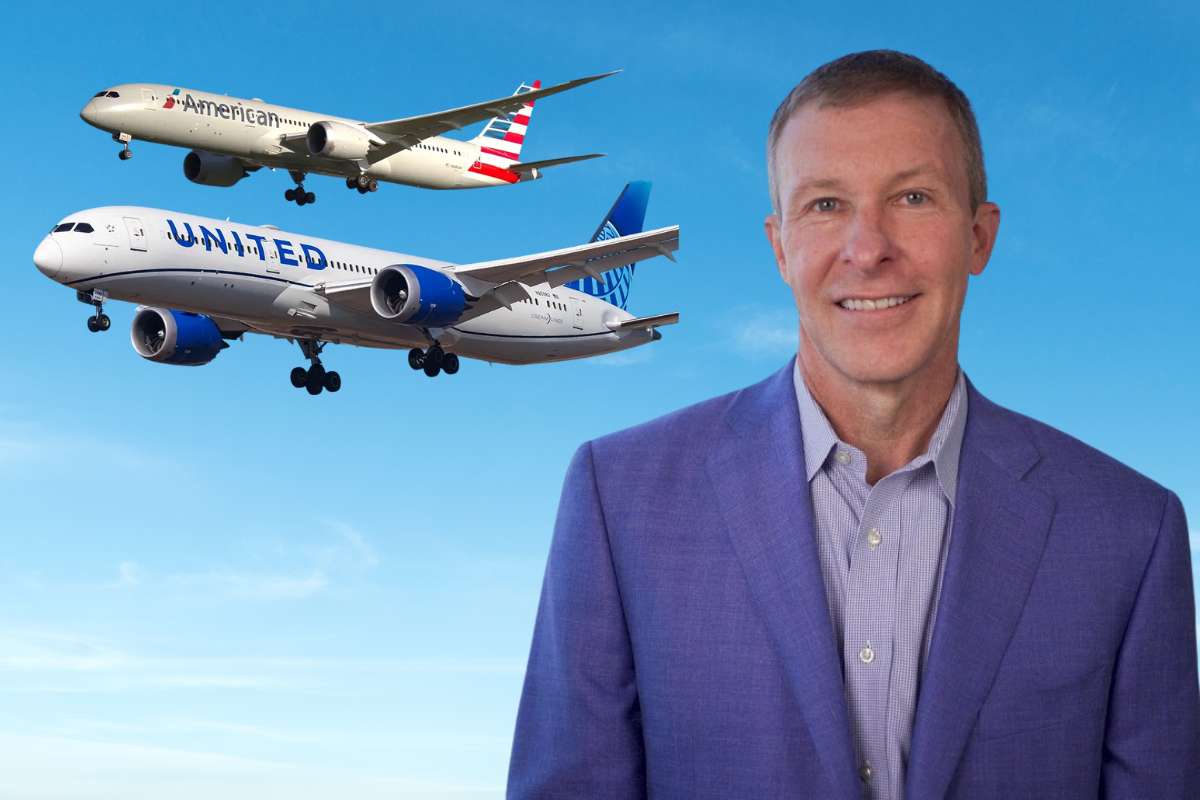
Scott Kirby, CEO of United Airlines, has pitched regulators on acquiring rival American Airlines, a move that could reshape the U.S. aviation market but faces major legal and competitive obstacles.
Scott Kirby Raises Merger Idea With Regulators
Kirby recently raised the possibility of a takeover of American Airlines in discussions with regulators, according to industry reports. The proposal emerges amid broader speculation about consolidation in the airline sector.
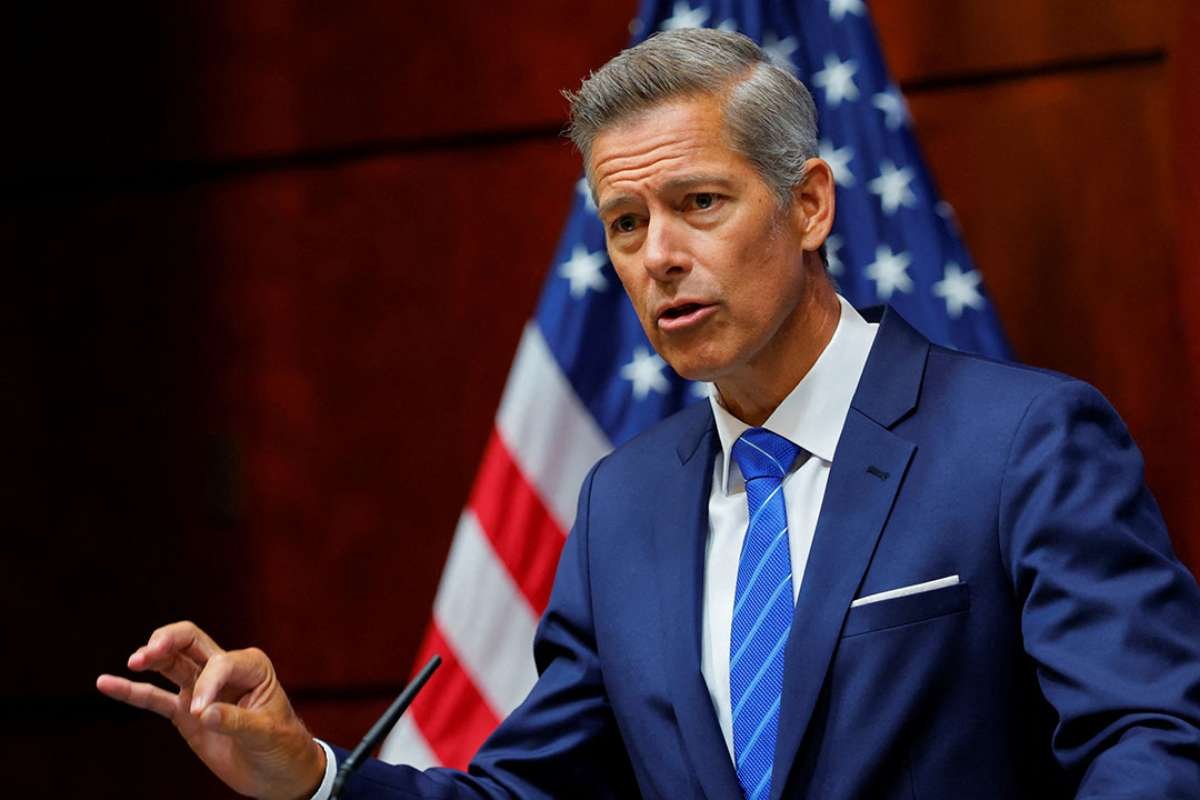
Comments by Sean Duffy about potential airline mergers and support for large deals under the administration of Donald Trump have fueled expectations of industry shake-ups.
Analysts say Scott Kirby’s interest carries added context. He previously served as president of American Airlines before departing, making the proposed acquisition a notable twist in airline leadership history.
“This would be a transformative deal for the industry,” said an aviation analyst familiar with merger discussions. “It’s also deeply personal, given Scott Kirby’s history.”
Proposal Faces Steep Antitrust, Legal Hurdles
A merger between United and American would create a dominant carrier controlling more than one-third of the U.S. domestic market, raising immediate red flags under antitrust laws.
Regulators typically scrutinize airline consolidation due to limited competition and high barriers to entry. Concerns would likely center on overlapping strongholds in Chicago, Los Angeles, and the New York region.
Even if federal regulators approve the deal, legal challenges could come from multiple fronts. States can file lawsuits under the Clayton Act, while competitors, unions, and consumer groups may also seek injunctions.
“Approval from federal authorities is only one step,” said a U.S.-based antitrust attorney. “You’re almost guaranteed a wave of litigation from states and private stakeholders.”
Potential remedies, such as selling off airport slots or hubs, could be considered to ease competition concerns. Similar approaches have been proposed in past airline merger discussions.
Critics Warn Of Higher Prices, Reduced Competition
Consumer advocates and industry observers warn that such consolidation could harm passengers through higher fares, reduced service quality, and weaker loyalty programs.
The airline industry already has significant barriers to entry, including restricted airport access, infrastructure limits, and regulatory hurdles. Critics argue that further consolidation would make it harder for new competitors to emerge.
“Fewer major airlines typically means less choice for consumers,” said a transportation policy expert. “It’s not just about ticket prices, it’s about overall service and innovation.”
Still, some executives see opportunity in the current regulatory climate. United’s CFO has described the environment as “unique” for mergers and acquisitions, suggesting openness to large-scale deals.
While not all mergers are viewed negatively, analysts say this proposal stands out due to its scale and potential market impact. Previous blocked deals, including attempts involving smaller carriers, highlight the challenges ahead.
For now, the idea remains speculative, but it signals renewed momentum in airline consolidation debates and sets the stage for potential regulatory battles in the months ahead.
For the latest insights, visit Visionary CIOs Magazine.