Key Takeaway:
- Elon Musk Testifies that OpenAI’s shift to profit betrays its original founding mission.
- The $130 billion lawsuit seeks to return OpenAI to nonprofit status.
- OpenAI’s legal team labeled the lawsuit a competitive attack by a rival.
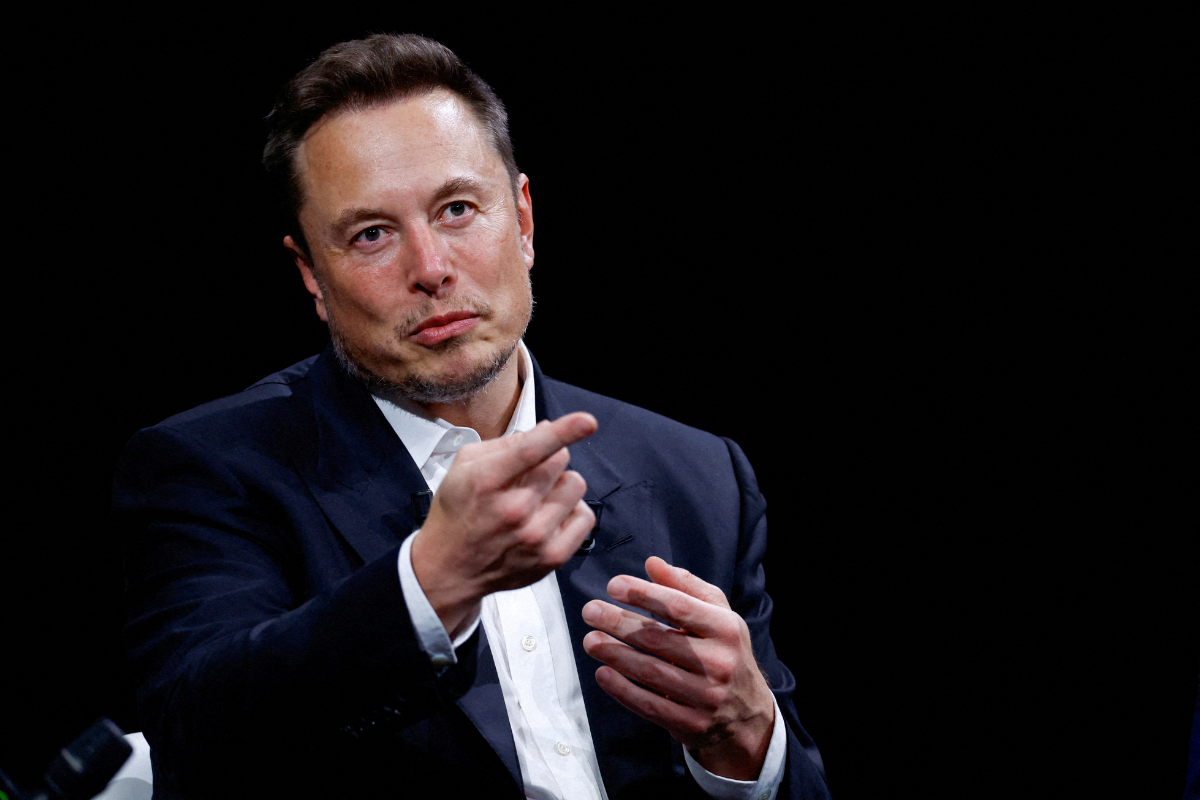
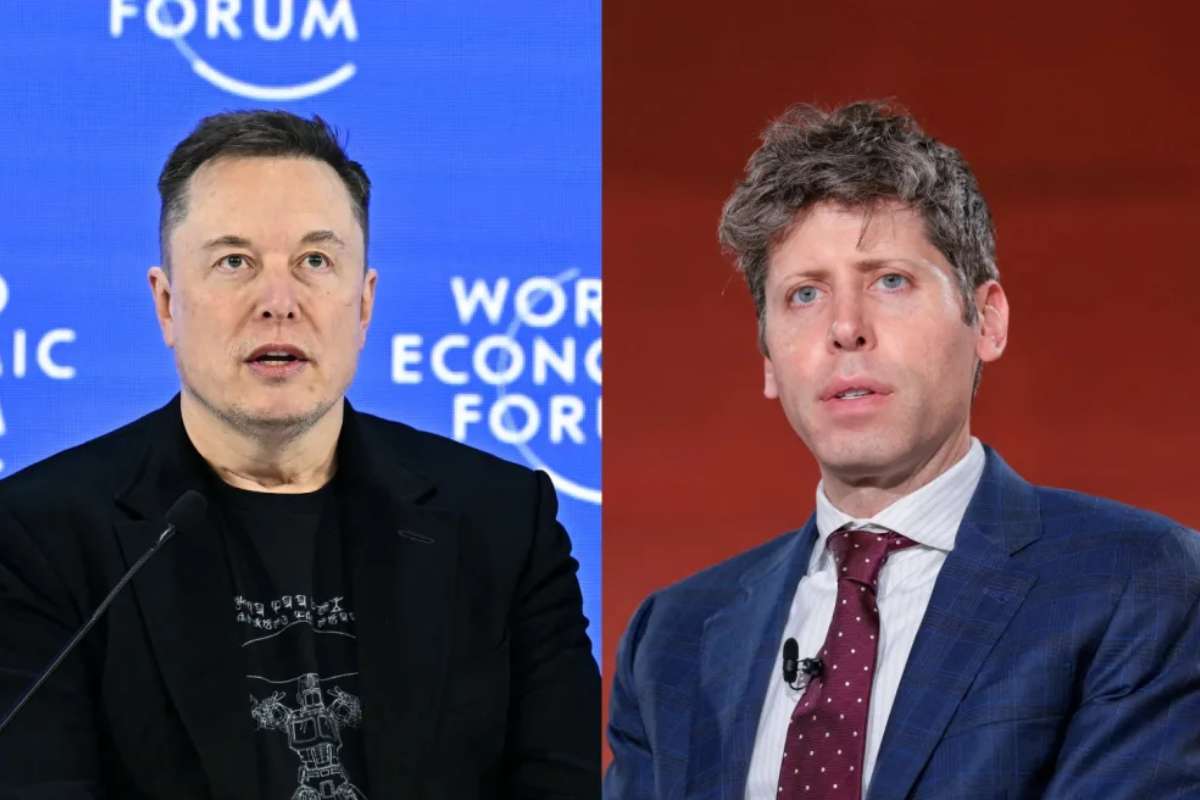
Elon Musk testifies Tuesday in a $130 billion lawsuit against OpenAI, arguing its shift from nonprofit betrays its mission and could shape the future and risks of artificial intelligence.
Musk Warns of AI Risks, Alleges Betrayal of Mission
Musk told a federal court jury that his lawsuit extends beyond corporate governance and into the future safety of artificial intelligence, which he said could “also kill us all” if mismanaged. He described his early involvement in OpenAI as driven by a goal to build safe, open systems.
“I have extreme concerns over AI,” Musk said, adding that the technology could bring prosperity but also severe consequences. He warned against a “Terminator outcome,” referencing fears of uncontrolled AI systems.
Musk co-founded OpenAI in 2015 and said he contributed at least $44 million in its early years. He alleges that CEO Sam Altman and President Greg Brockman misled him and abandoned the organization’s nonprofit mission.
The lawsuit seeks to return OpenAI to a nonprofit structure, remove its current leadership, and award damages to its foundation.
OpenAI Rejects Claims, Calls Lawsuit Competitive Attack
OpenAI denied Musk’s allegations, arguing the lawsuit is motivated by competition and regret. The company said Musk left after failing to gain control and now seeks to hinder a rival.
“We are here because Mr. Musk turned out to be very wrong about OpenAI,” said lead attorney Bill Savitt. “Because he’s a competitor, Mr. Musk will do anything he can to attack OpenAI.”
The company maintains that Elon Musk Testifies supported a for-profit structure before departing in 2018. It later created a for-profit subsidiary to secure funding and, in 2025, transitioned into a public benefit corporation.
Investor Microsoft, also named as a defendant, called Musk’s claims unsupported in a pretrial motion.
The case unfolds as OpenAI prepares for a potential public offering that could significantly expand its influence in the fast-growing AI sector. A ruling in Musk’s favor could disrupt those plans and reshape competition, including benefiting Musk’s own AI venture, xAI.
Judge Rebukes Musk, Trial Highlights Broader Industry Stakes
U.S. District Judge Yvonne Gonzalez Rogers cautioned Musk over his social media posts about the trial, warning they could lead to a gag order. Musk agreed to limit his commentary, as did Altman and Brockman.
“The reality is that people don’t like him,” Rogers said during jury selection, referring to Musk. “That does not mean that Americans can’t have integrity in the judicial process.”
The trial has already faced tensions during jury selection, with some potential jurors expressing strong negative views about Musk. Ultimately, jurors with largely neutral opinions on both Musk and artificial intelligence were selected.
Attorneys on both sides pointed to extensive evidence, including emails, texts, and call logs, expected to provide insight into internal disagreements over OpenAI’s direction.
In one 2023 email presented in court, Altman told Musk he considered him a “hero” but was hurt by his public criticism. Musk replied that his concerns stem from the belief that “the fate of civilization is at stake.”
Legal experts say the case could set a precedent for how AI companies balance profit motives with public-interest commitments. The jury’s verdict will advise the judge, who will decide on structural changes and damages.
The outcome could influence not only OpenAI’s future but also broader governance standards in the rapidly evolving AI industry.