Key Takeaways:
- China ordered 200 Boeing jets, its first major U.S. aircraft purchase in nearly a decade.
- GE Aerospace CEO Larry Culp met Chinese planners to secure engine and maintenance contracts.
- The order fell below the 500-jet expectation, causing Boeing and GE shares to decline.
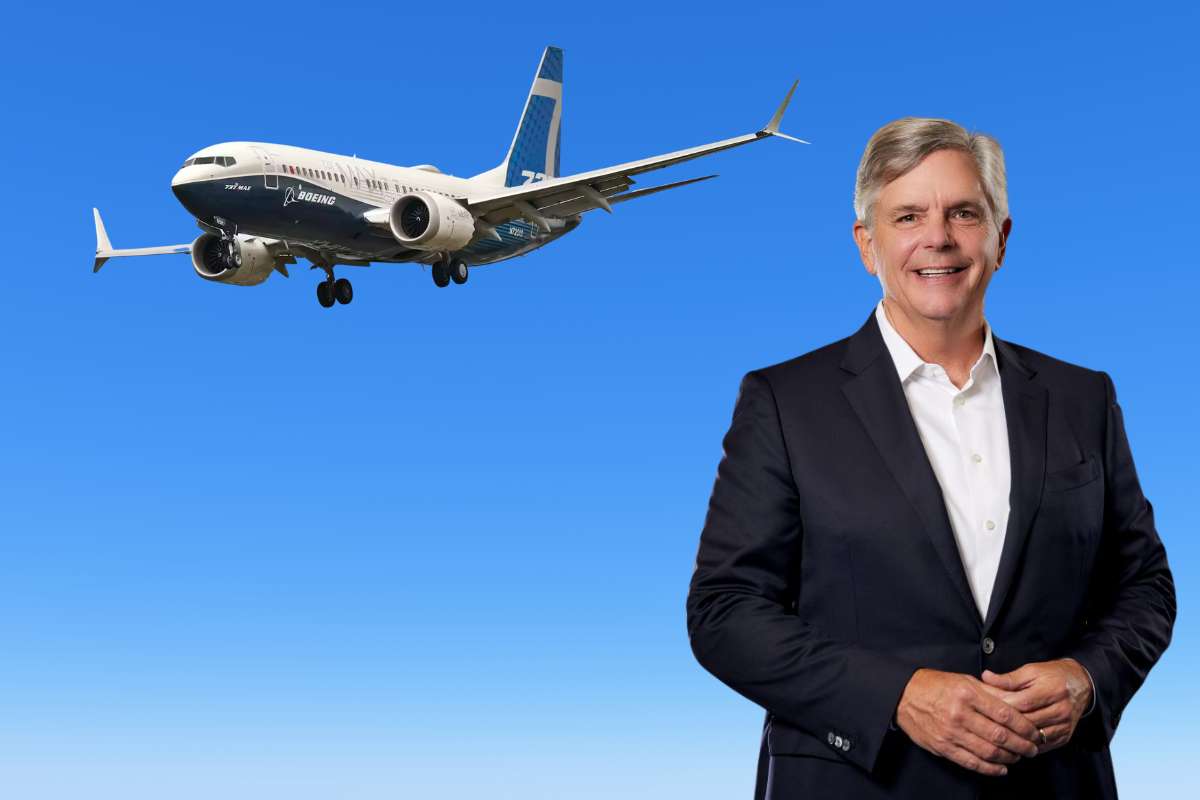
GE Aerospace CEO Larry Culp visited Beijing this week after China announced plans to order 200 Boeing aircraft, marking the country’s first major purchase of U.S.-made commercial jets in nearly a decade.
China Revives Boeing Purchases After Years Of Delays
Culp was seen leaving a meeting on Friday at China’s National Development and Reform Commission, the country’s top economic planning agency, according to Reuters.
The visit came shortly after U.S. President Donald Trump said China agreed to buy 200 Boeing jets following discussions with Chinese President Xi Jinping. The agreement signals a renewed commercial aviation relationship between Washington and Beijing after years of trade tensions and delivery freezes.
China had largely halted purchases of U.S.-manufactured commercial aircraft over the past decade amid geopolitical disputes, regulatory reviews, and the global aviation downturn during the COVID-19 pandemic.
Boeing did not immediately release additional details about the proposed order, including aircraft models or delivery schedules.
GE Aerospace Gains From Boeing Engine Supply Role
As Boeing’s primary engine supplier for several commercial aircraft programs, GE Aerospace is expected to benefit from the agreement through future engine production and servicing contracts.
However, investors reacted cautiously because the order size fell below earlier market expectations of about 500 aircraft. Shares of Boeing and GE Aerospace declined following the announcement.
GE Aerospace did not immediately comment on the purpose of Larry Culp’s Beijing meetings or whether the discussions involved aircraft engines, manufacturing partnerships, or broader aviation cooperation.
Industry analysts said the order still represents an important step toward stabilizing aerospace trade ties between the United States and China.
“This is symbolically significant because it reopens a market that had been mostly closed to Boeing for years,” said aviation analyst Richard Aboulafia of AeroDynamic Advisory.
U.S.-China Aviation Ties Show Signs Of Recovery
The Boeing agreement arrives as both governments attempt to improve economic relations through renewed diplomatic and commercial engagement.
Trump and Xi held talks in Beijing earlier this week focused on trade, manufacturing, and exports. Aviation remains one of the largest export sectors for the United States and a critical growth area for China’s expanding airline market.
Chinese airlines are expected to require thousands of new aircraft over the next two decades as passenger demand continues to rise, according to industry forecasts.
The latest deal could also increase competition between Boeing and European rival Airbus, which gained market share in China during Boeing’s absence from the market.
Neither the White House nor China’s foreign ministry released further details Friday on financing terms or final approval timelines for the aircraft purchase.
Visit Visionary CIOs Magazine for the latest information.