Key Takeaway:
- Bolt CEO Ryan Breslow defended firing the company’s HR team, claiming they created “problems that didn’t exist” and that issues vanished after their removal.
- The move came amid a 30% workforce reduction and a shift toward a leaner, AI-focused operating model after Bolt’s valuation fell sharply from $11B (2022) to about $300M (2024).
- Breslow says the company now operates with about 100 employees in “startup mode,” prioritizing speed and execution over traditional HR structures.
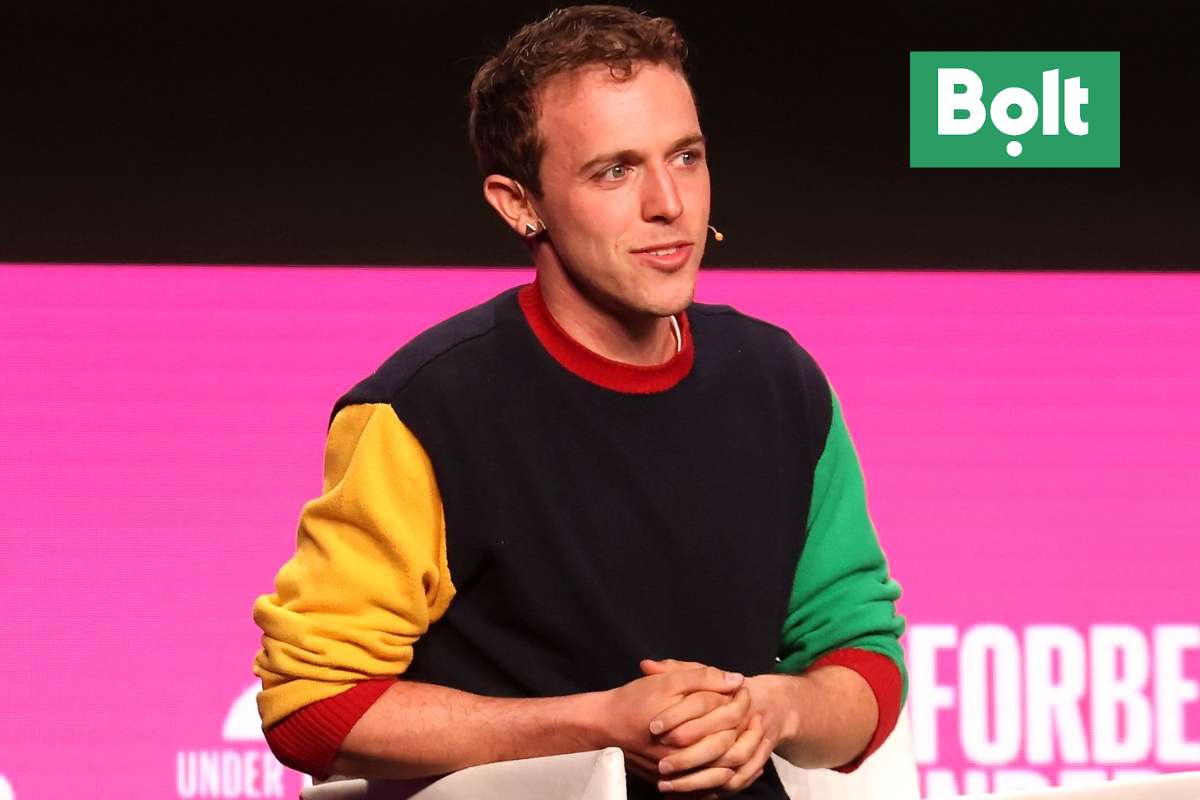
The phrase Bolt fires HR team has gained attention after CEO Ryan Breslow defended firing the company’s human resources department at a May 19 conference in Atlanta. He argued the team created unnecessary internal complications during a period of AI-driven restructuring and workforce reduction.
CEO defends HR firings at summit
The Bolt fires HR team controversy began after Breslow publicly defended the decision to dismiss the company’s entire HR division during a workforce innovation summit. According to Breslow, the department introduced “problems that didn’t exist,” and many of those issues disappeared after the layoffs.
“The HR team was creating problems that didn’t exist,” Breslow said, adding that those issues “disappeared” after the employees were let go.
He also said the company’s shift reflects a broader effort to simplify operations and focus on execution over internal processes. Breslow described the current phase as a return to “startup mode,” where speed and output are prioritized over formal organizational structures.
“We need a group of people who are very oriented around getting things done,” he said at the summit, criticizing what he described as a culture of inefficiency within parts of the company.
Breslow added that Bolt has reduced its people operations division to a smaller support-focused group rather than maintaining a traditional HR structure. The Bolt fires HR team discussion has since become part of a wider debate around AI, automation, and workplace management.
Bolt slashes workforce after valuation drop
Bolt has undergone significant restructuring following a sharp decline in its valuation, with the fintech company streamlining operations and cutting staff.
The company has increasingly focused on automation and artificial intelligence as core operational tools. Supporters of the Bolt fires HR team strategy argue leaner organizations can move faster and reduce unnecessary bureaucracy.
According to Fortune reporting, Bolt’s valuation dropped from about $11 billion in 2022 to roughly $300 million in 2024, reflecting investor concerns and broader challenges in the fintech sector. Breslow stepped down as chief executive in 2024 amid the downturn but returned to the role in 2025 to lead a turnaround effort.
At the time of the cuts, Breslow told employees that Bolt would become “a much leaner organization and leveraging AI at our core,” according to Payments Dive.
The company, founded in 2014 to “democratize commerce,” built a SuperApp enabling payments, rewards, and cryptocurrency transactions. Despite earlier growth, it has faced mounting pressure to stabilize its financial position and regain customer confidence.
Return to startup mode emphasizes lean AI focus
Breslow said Bolt’s latest restructuring has left the company with about 100 employees, a significant reduction from its previous scale. As Bolt fires HR team and continues restructuring, he described the current workforce as smaller, younger, and more focused on execution.
“We have a team a quarter of the size, who are much more junior, who work a lot harder, who have better energy,” he said, adding that customers have noticed more direct attention from staff in recent months.
The CEO’s comments have drawn attention in the broader tech industry, where companies are increasingly debating the role of traditional human resources departments amid cost pressures and rapid adoption of AI tools. While supporters of lean operating models argue that fewer layers improve speed, critics warn that eliminating HR oversight can create risks around workplace culture and compliance.
Breslow acknowledged that HR departments remain important for larger and more stable organizations. However, he maintained that Bolt’s current operating model requires faster execution and greater responsiveness, keeping the Bolt fires HR team discussion central to ongoing conversations about AI-driven corporate restructuring.