Key Takeaways:
- Fed Chair Kevin Warsh warns massive AI spending may spark inflation.
- Increased AI infrastructure costs currently challenge the Fed’s potential rate cuts.
- Market participants now anticipate possible interest rate hikes later this year.
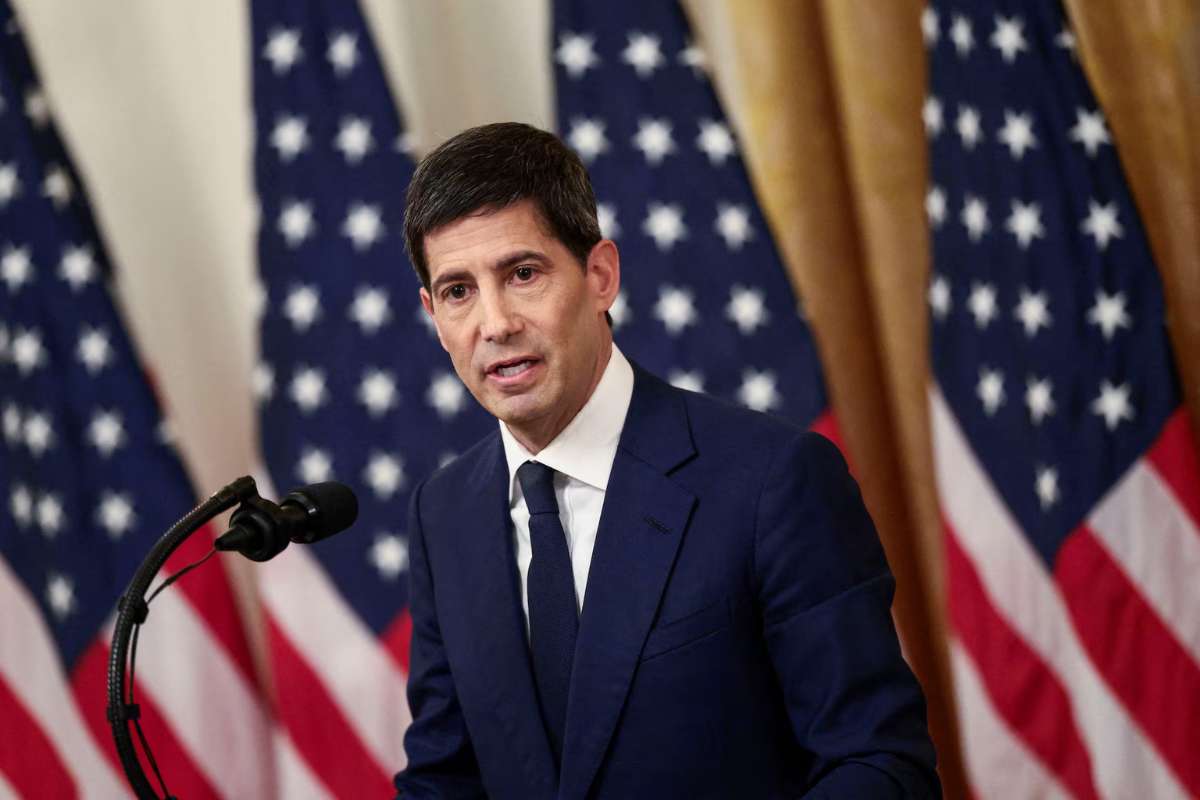
Federal Reserve Chairman Kevin Warsh has adopted a hawkish monetary policy stance, signaling that massive capital expenditures in artificial intelligence may fuel inflation rather than provide immediate disinflationary relief.
Reassessing The AI Productivity Thesis
Warsh, who previously championed AI as a significant long-term disinflationary force, now faces a shifting economic landscape. While he once suggested that productivity gains from AI would allow the Federal Reserve to reduce interest rates, recent market data indicate that heavy spending on AI infrastructure, including data centers and chips, is creating short-term inflationary pressure.
The “Magnificent Seven” companies alone are projected to spend approximately $725 billion on AI capital expenditures this year. Economists suggest this massive influx of investment is boosting GDP momentum, effectively challenging the Fed’s ability to lower borrowing costs without risking an economic overheating.
Market Uncertainty And Policy Challenges
Wall Street analysts are closely scrutinizing Kevin Warsh’s transition from a potential “AI dove” to a more cautious central banker. Following his first Federal Open Market Committee meeting held June 16-17, the Fed maintained current interest rates while issuing a statement that left many investors bracing for potential rate hikes later in 2026.
“We don’t have a long time to do new studies,” Warsh noted during his recent Senate confirmation hearing, emphasizing the urgency of updating economic models to track AI’s impact. He acknowledged that while the long-term outlook for output is positive, the immediate effects on the labor market and price stability remain highly uncertain.
Experts Debate Economic Trajectories
Not all officials share Warsh’s initial optimism regarding AI’s role in price stability. Critics argue that relying on single-point estimates for productivity gains is risky. “The AI-productivity thesis stands out as the one piece of Warsh’s broader agenda that points toward discretion,” warned Jai Kedia, a fellow at the Cato Institute.
Sen. John Kennedy, R-La., expressed skepticism during recent hearings, cautioning that much of the AI narrative might be driven by corporate hype. As Warsh balances these competing views, the central bank must now determine if current AI-driven spending warrants a restrictive policy or if the economy will eventually transition toward the anticipated productivity boom.