Key Takeaways:
- JPMorgan chief executive Jamie Dimon strongly supports Tata chairman Natarajan Chandrasekaran.
- The governance dispute could hurt foreign investor confidence in Indian markets.
- The Tata board recently rejected Tata Trusts’ position on two key proposals.
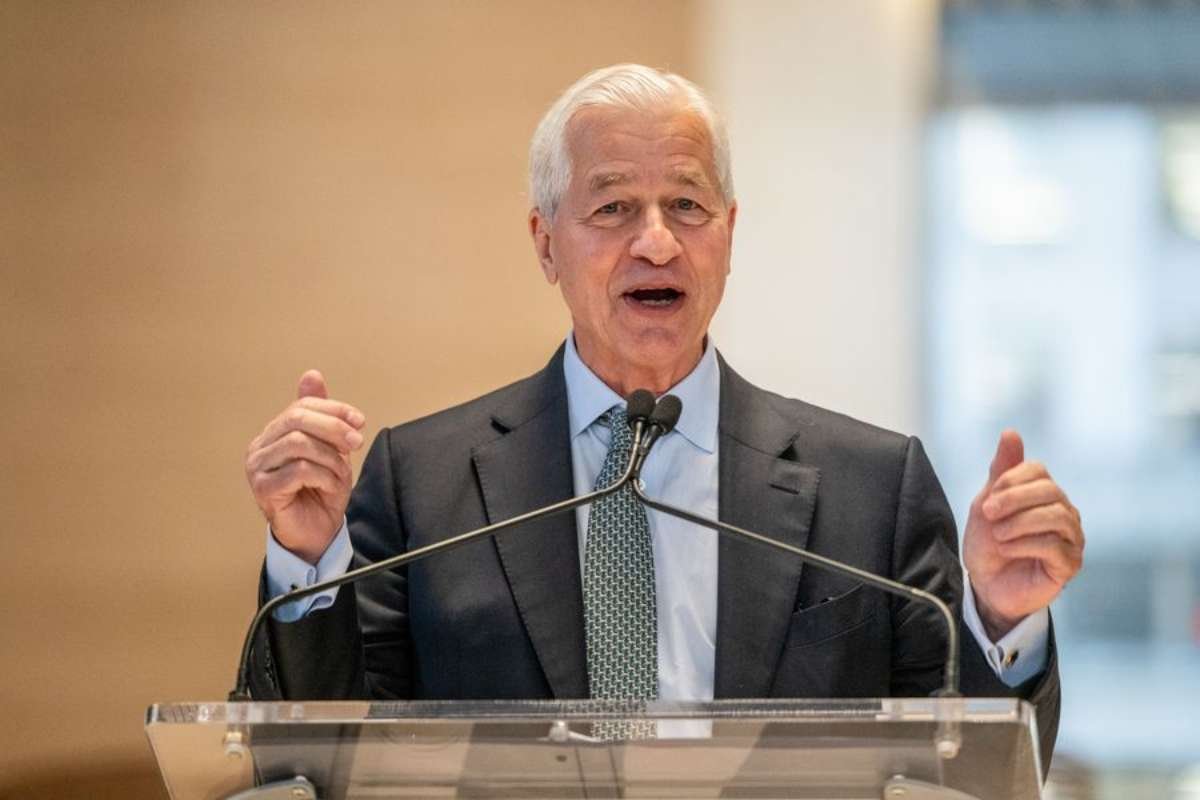
The Jamie Dimon Tata dispute has drawn attention from global investors after JPMorgan Chase chief executive Jamie Dimon praised Tata chairman Natarajan Chandrasekaran while warning that the growing governance conflict could affect foreign investor confidence in Indian markets.
Jamie Dimon Tata dispute: JPMorgan chief backs Tata chairman
The Jamie Dimon Tata dispute comes as Tata Sons faces increasing scrutiny over its governance and leadership structure.
Jamie Dimon shared his views during a recent interview with a major financial publication. The JPMorgan chief praised Tata Sons Private Limited Chairman Natarajan Chandrasekaran for his leadership. He also warned that the ongoing dispute could create a negative view among global investors.
The Wall Street executive said he thinks highly of Chandrasekaran, who is widely known as Chandra. Dimon said, “I would never want to lose him,” and added that the board and the controlling trusts should feel the same way.
Dimon’s public support comes as the Tata Group faces growing attention from investors around the world. Global investors often look at the stability of a company’s leadership when deciding where to put their money for the long term. Strong support for senior leaders can also help calm concerns during periods of internal conflict.
Jamie Dimon Tata dispute deepens amid Tata trusts clash
Dimon’s comments came as the Tata Sons board faces a public dispute with its main stakeholder, Tata Trusts. Tata Trusts is the group’s controlling shareholder, making the disagreement especially significant.
The board recently rejected Tata Trusts’ position on two major proposals. One involved listing Tata Sons through an initial public offering, while the other involved extending the chairman’s term by five years. The move showed serious disagreements between the board and the trusts.
Tata Trusts owns a 66 percent stake in the parent company. Given this level of ownership, the board’s decision drew significant attention. A major proxy advisory firm described the move as a “mutiny of the board.”
Observers watch corporate rules and market impact
When disputes between company leaders become public, investors may become concerned about business stability and compliance with rules. Clear decision-making and open communication can help protect shareholder value over time.
The Jamie Dimon Tata dispute has also raised questions about how prolonged governance disagreements could affect foreign investor confidence in Indian markets. A long-running dispute between the board and major shareholders can create uncertainty around the company.
Corporate leaders are looking for a solution that protects the group’s long-standing values. Keeping a working relationship between the board and major stakeholders will remain important for the company’s future.