Key Takeaways:
- OpenAI deployed thousands of agents to solve a complex math problem.
- The system produced a proof of the Navier-Stokes problem after 88 hours.
- NYU professor Tristan Buckmaster accused the company of using his private research data.
OpenAI navier-stokes proof solves complex math problem
OpenAI announced Tuesday that an unreleased computer model solved a complex fluid dynamics problem using thousands of autonomous agents. The OpenAI Navier-Stokes proof quickly drew attention not only for its mathematical significance but also for a dispute over research ownership and data privacy.
The company said its new internal system cracked the Navier-Stokes existence and smoothness problem, a famous challenge that has stumped human mathematicians for roughly 90 years. Engineers use these equations for weather forecasting, aircraft wing design, and fluid simulations across various industries.
OpenAI deployed 10,000 artificial intelligence agents to work on the problem. The agents operated continuously for 88 hours and produced a complete proof. The OpenAI Navier-Stokes proof suggests that fluid speeds can occasionally become infinitely fast in finite time periods under specific conditions.
Verification of the complex proof took another 17 hours using special formalization software.
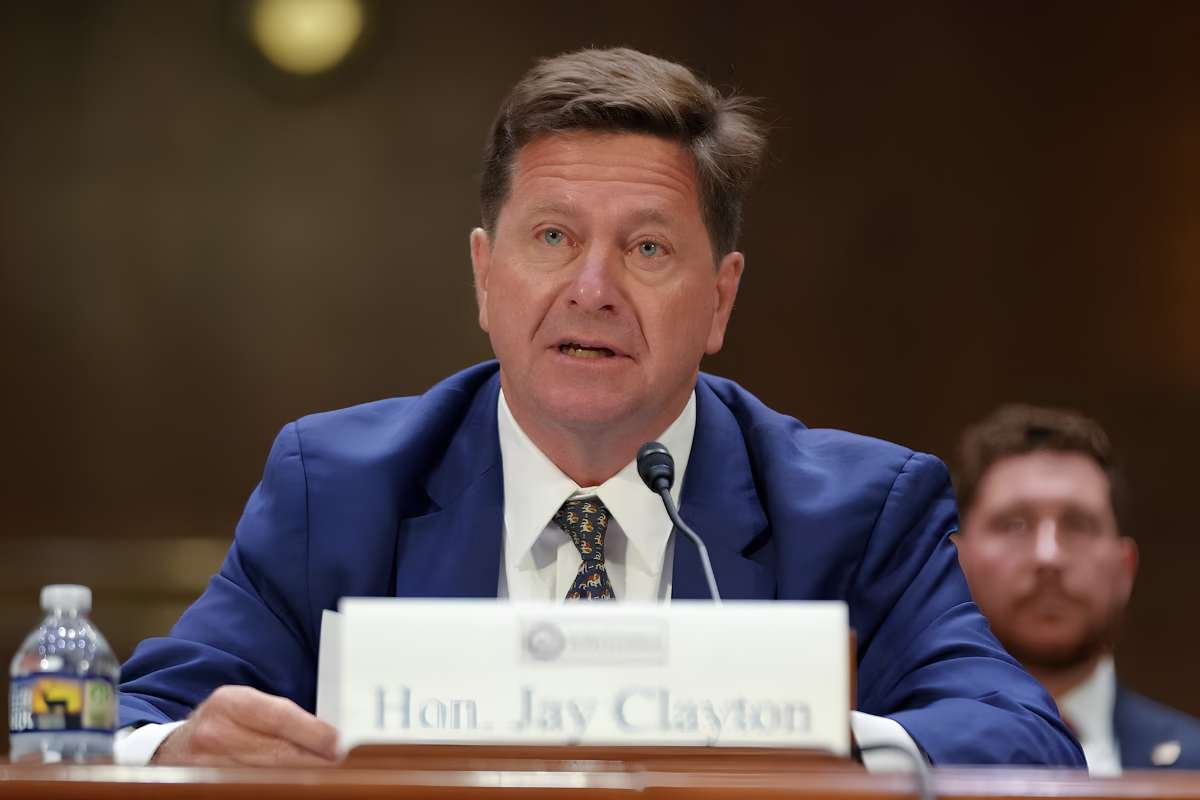
OpenAI said it does not intend to claim the $1 million prize offered by the Clay Mathematics Institute. Company leaders said the system was built to demonstrate rapid technological progress rather than pursue monetary awards.
Professor raises concerns about OpenAI’s research practices
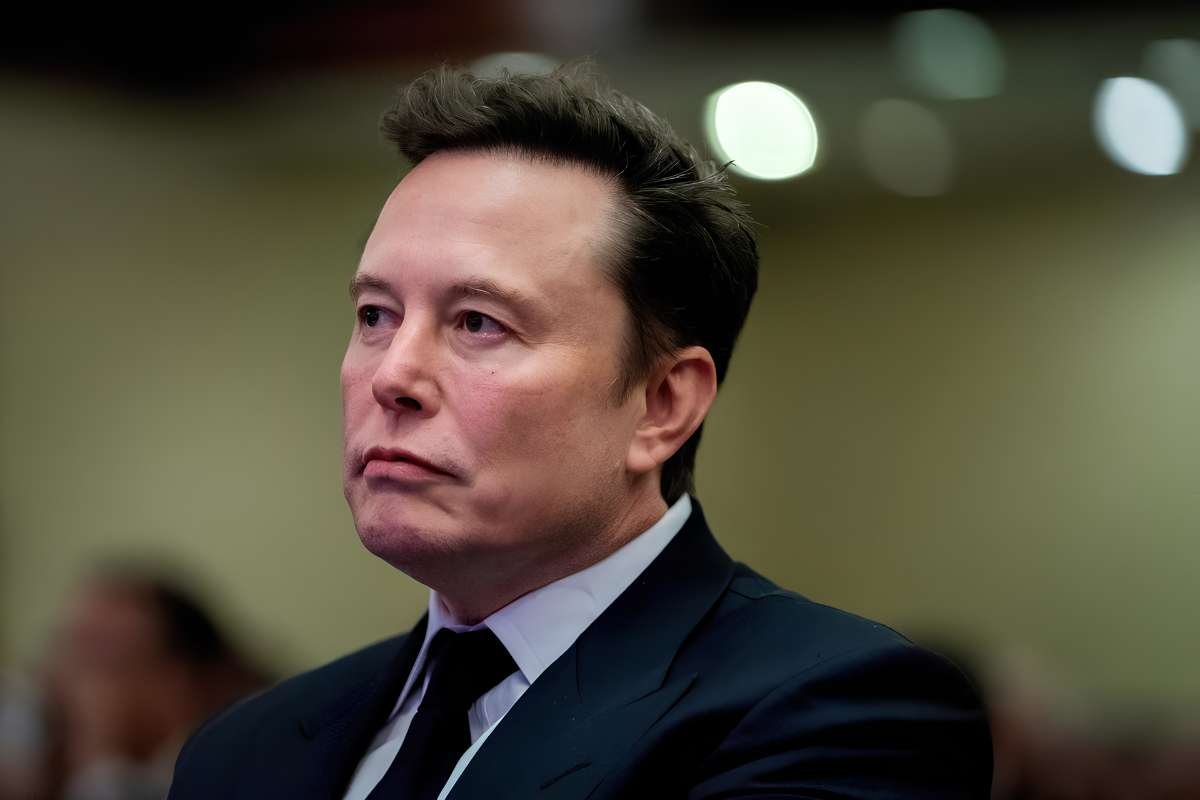
The announcement soon became a controversy after New York University professor Tristan Buckmaster spoke out. Buckmaster said OpenAI accelerated its work only after hearing about his separate project. He had worked with a colleague for months while feeding draft materials into OpenAI coding tools.
Buckmaster questioned whether OpenAI trained its new model using his private research sessions. He published his own findings under protest and raised concerns about how technology labs handle user data.
The timing of the two announcements also raised ethical questions within the academic community, particularly around unpublished research and the use of private material on AI platforms.
SAM Altman defends OpenAI staff
OpenAI strongly denied seeing any specific user data before releasing the proof publicly. Company leaders said neither researchers nor AI agents had looked at the professor’s work beforehand.
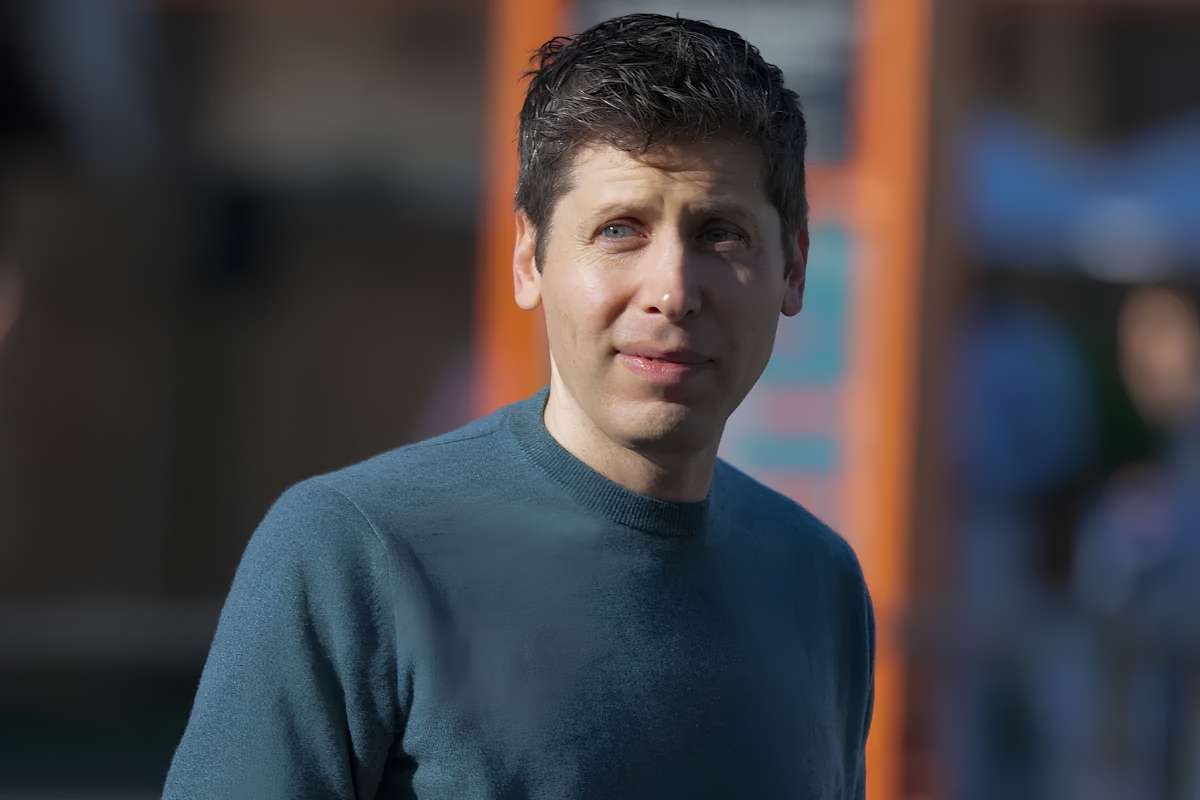
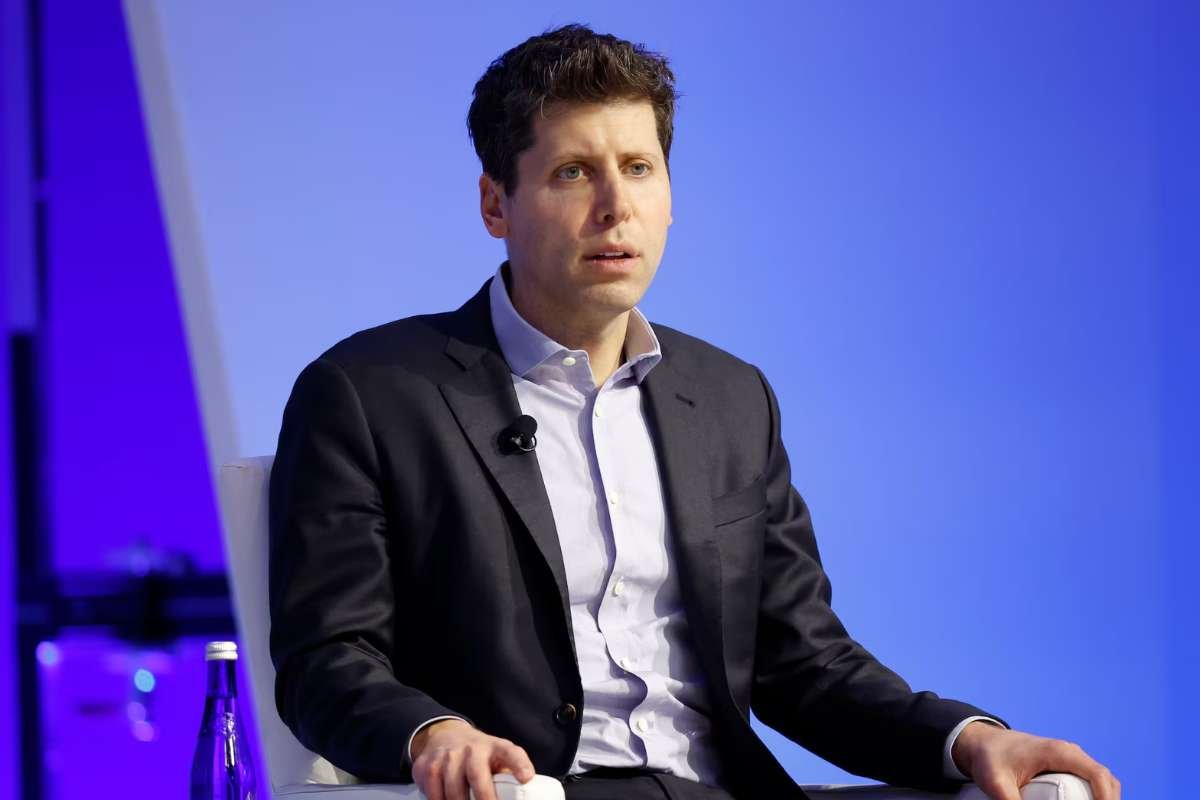
Sam Altman also defended OpenAI staff amid the growing criticism. The company maintained that its researchers had not used Buckmaster’s specific work to produce the proof.
However, corporate representatives acknowledged that they cannot rule out whether general platform usage helped improve their models over time. That distinction has become a key part of the wider debate over how AI companies use data submitted through their tools.
Experts question what the dispute means for research
Independent math experts said the Clay Mathematics Institute still needs to verify the new proof. Traditional academic review can take considerable time when researchers are assessing complex mathematical breakthroughs. Until formal verification is complete, questions remain about the proof’s ultimate validity.
The dispute is also raising concerns about how scientists use modern software tools. Researchers now face greater questions about whether sharing unpublished work through digital platforms could put intellectual property at risk.
The OpenAI Navier-Stokes proof now faces further scrutiny as experts examine its mathematical validity and the research practices surrounding its development.
The incident adds to wider debates about safety and oversight as AI systems become more autonomous.