Key Takeaways:
- BlackRock CEO Larry Fink warns that a nationwide halt on new data centers could push the US into a recession.
- Data center construction supports jobs and business activity across several industries.
- Wall Street analysts expect spending on AI infrastructure to top $1 trillion a year by 2027.
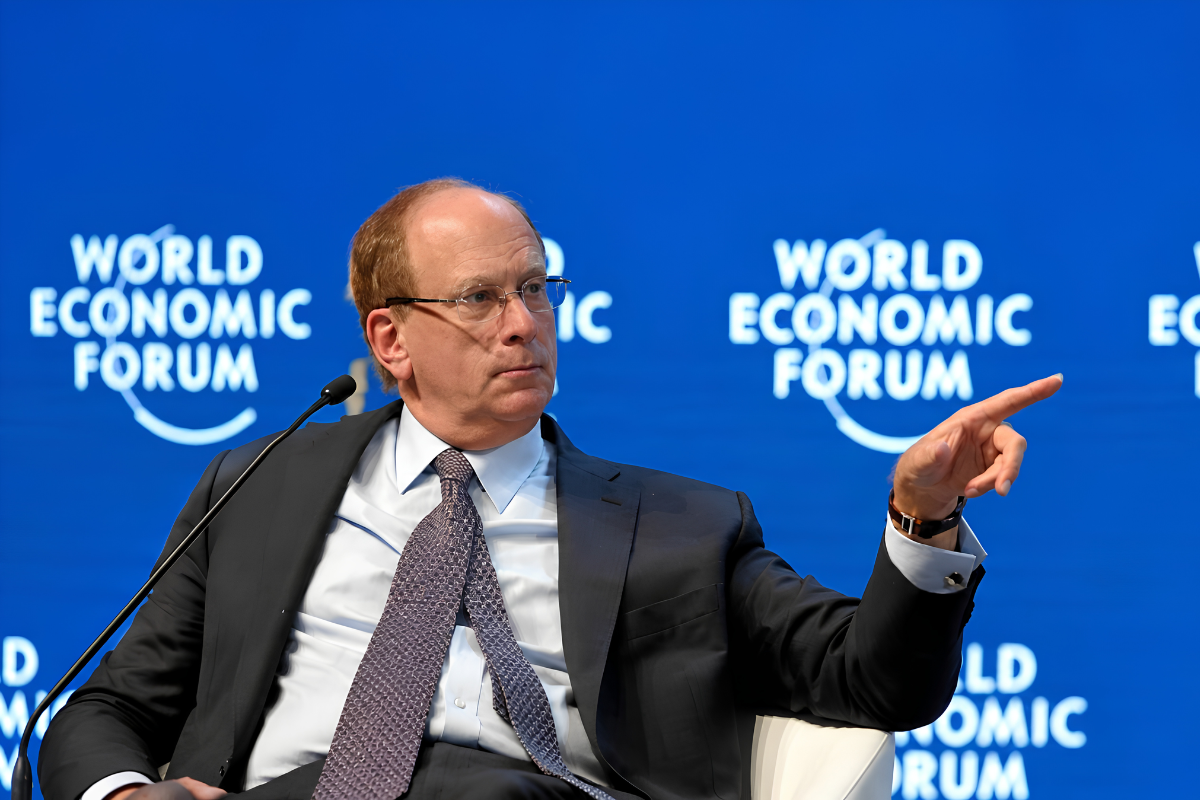
The Larry Fink data center warning has raised concerns about the potential economic consequences of restricting new construction. On Wednesday, BlackRock CEO Larry Fink warned that a nationwide halt on new data centers could push the US economy into a recession. He said investment in these facilities supports job growth and wider economic activity.
Larry Fink data centre warning: how bans could hurt the economy
Larry Fink said stopping new data center construction could lead to a wider economic downturn. He pointed to the jobs these facilities create as opposition to large technology projects grows ahead of the November 3 midterm elections.
Fink said data centers create jobs rather than harm the economy. Their construction supports workers, equipment suppliers, and local utility companies.
The debate surrounding the Larry Fink data center warning reflects a wider challenge: balancing local concerns about electricity costs and water use with the economic benefits of expanding digital infrastructure.
Fink also linked local opposition to what he described as false or misleading claims about data centers’ environmental impact and power use. He warned that blocking new facilities could slow growth across industries that rely on digital technology. He said expanding computing capacity is important for US economic growth and global competitiveness.
Local communities raise concerns about data center growth
Residents and local groups in several states are raising concerns about the rapid growth of data centers. They worry about higher electricity bills, heavy water use, and environmental damage. Community leaders are also asking for more information about tax breaks offered to large technology companies.
These concerns have made data center projects an issue in local and national elections. Some areas have proposed pausing approvals until utility companies assess whether local power grids can meet the growing demand.
Officials are debating whether the US power grid can support rising electricity use without putting extra costs on taxpayers.
Despite these concerns, major technology companies continue to spend billions on land and new facilities. Amazon, Google, Microsoft, and Meta are among the companies investing heavily in data centers across suburban areas. Business leaders say officials must weigh local concerns against the potential economic benefits.
Analysts expect AI infrastructure spending to top $1 trillion
Wall Street analysts expect yearly spending on AI infrastructure to exceed $1 trillion by 2027. Some long-term forecasts put total global investment above $5 trillion by 2030. Investors see this spending as a major part of future economic growth.
BlackRock is also looking at ways to help companies pay for expensive computing equipment, including graphics processing units (GPUs). Fink said smaller startups need more ways to access this costly hardware.
One option is to turn hardware assets into financial products that investors can buy. Lenders could also use estimates of the hardware’s future resale value when deciding how much credit to offer. This could make it easier for smaller companies to pay for the computing power they need.
Fink said expanding the US power grid quickly will be important for future economic growth. He noted that other countries are building power infrastructure to meet rising technology needs. Industry leaders want faster approval for utility projects to support continued growth.