Key Takeaways:
- Jensen Huang says CoreWeave Debt Concerns are easing as the company’s financial position improves, rejecting calls for Nvidia’s support.
- CoreWeave faces pressure from more than $40 billion in debt and expected annual losses of over $2.5 billion.
- Semiconductor stocks fell sharply as investors raised concerns about debt and the risks of rapid spending on computing equipment.
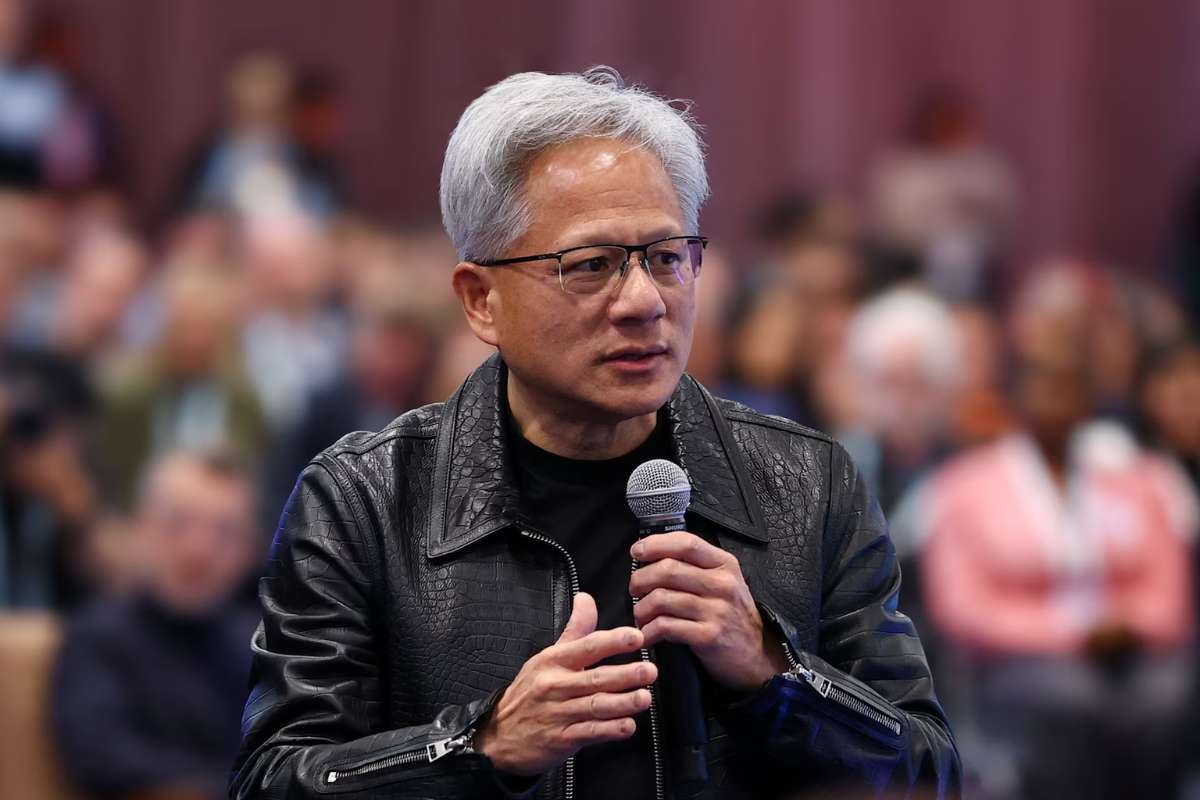
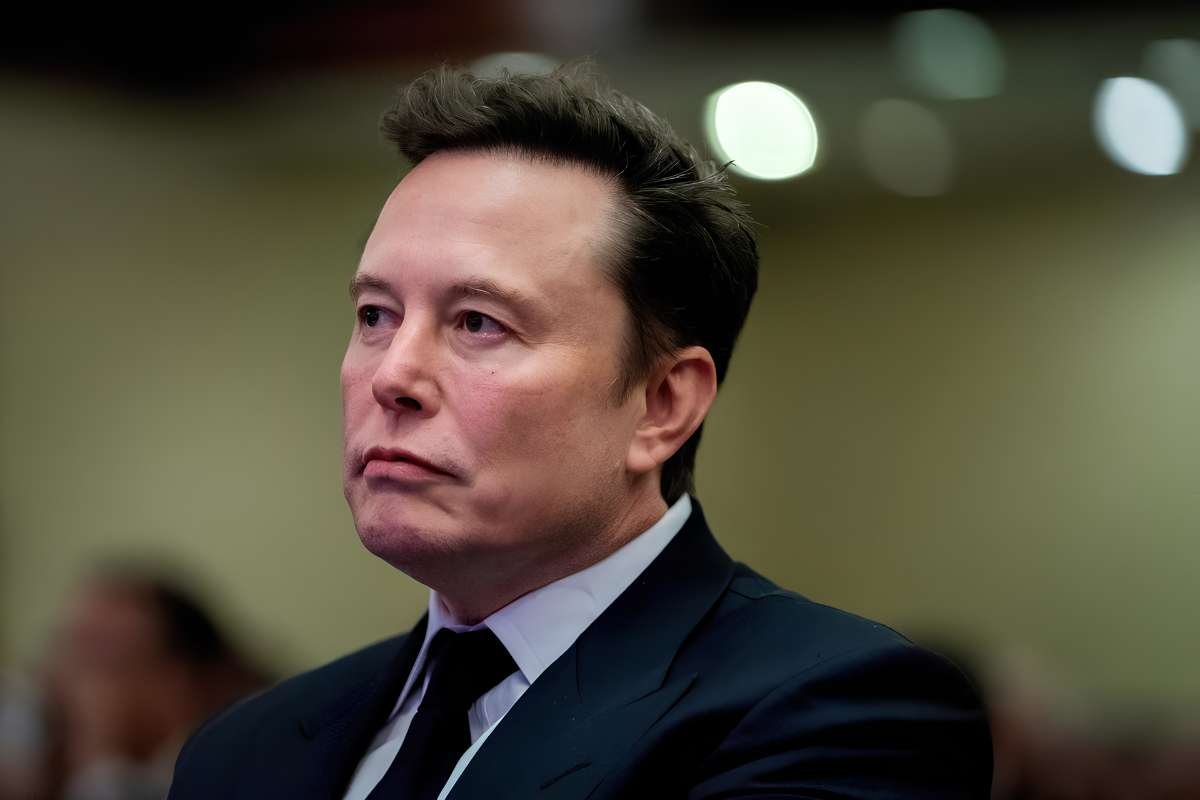
Nvidia CEO Jensen Huang rejected calls for the company to provide financial support to CoreWeave Inc. at an event in Stockholm, as CoreWeave debt concerns continued to weigh on investors. He said the AI cloud computing provider was getting stronger despite concerns about its debt.
Jensen Huang defends CoreWeave amid debt concerns
Huang said CoreWeave’s business was becoming stronger and its borrowing costs were falling. Speaking in Stockholm, he defended the company’s financial position despite investor concerns. He also rejected calls for Nvidia to provide a financial safety net for the cloud computing company.
Huang said CoreWeave was improving each day as its borrowing costs fell. Nvidia owns about 10% of CoreWeave, making it the company’s second-largest shareholder. Nvidia has also agreed to buy computing capacity that CoreWeave cannot sell to other customers through 2032, supporting its data center expansion.
CoreWeave debt concerns grow amid rising borrowing and losses
CoreWeave debt concerns are growing as the company manages more than $40 billion in debt and expects annual losses of over $2.5 billion.
The cost of contracts that protect investors against a possible default has risen, showing growing concern about the company’s ability to repay its debt. Research firm Gartner has warned that most of the neocloud market could disappear by 2030.
These concerns also affected the wider stock market. CoreWeave shares saw sharp swings, while the Philadelphia Stock Exchange Semiconductor Index fell more than 9%. Investors are questioning whether companies can keep borrowing heavily to buy computing equipment and still grow their businesses over time.
Huang defends long-term demand for computing power
Despite market concerns, Huang said he remains confident in long-term demand for AI and computing power. He noted that leading AI research labs account for only 25% to 30% of Nvidia’s computing activity. The rest comes from traditional computing, technology startups, and business applications across industries.
Huang said technology companies are adjusting to the demands of rapid growth. Major chipmakers have reported strong profit gains, pointing to continued demand for computing equipment. Investors are monitoring CoreWeave debt concerns as the cloud provider manages its spending, borrowing costs, and long-term growth prospects.