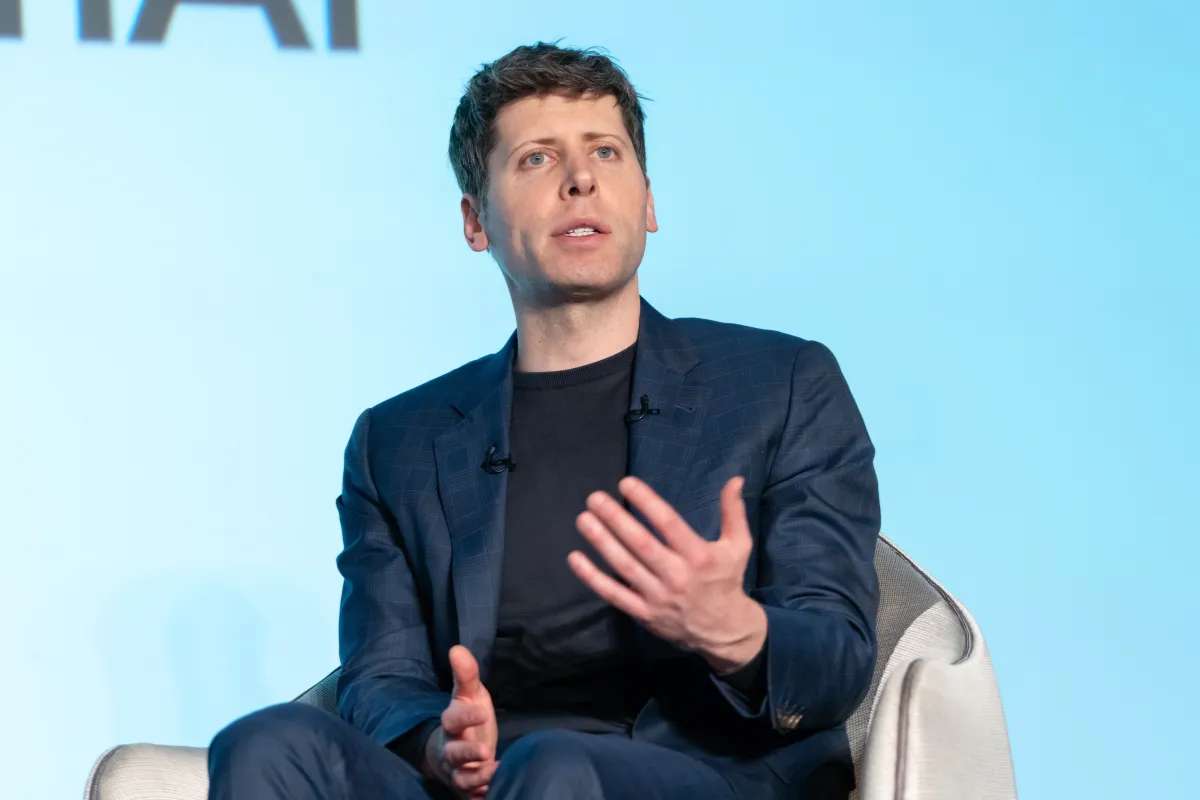
OpenAI has begun searching for a senior executive to lead its efforts in anticipating and mitigating the potential dangers of advanced artificial intelligence, underscoring growing unease about the technology’s rapid evolution. The newly advertised position, known as Head of Preparedness, carries a base salary of around $555,000 a year along with equity incentives, signaling both the importance and the pressure attached to the role. This move reflects OpenAI’s increasing focus on AI safety leadership at the highest level.
The company’s leadership has described the job as one of the most demanding within the organization. The individual appointed will be tasked with identifying emerging risks, stress-testing advanced AI systems, and ensuring that safeguards keep pace with increasingly powerful models. The role sits at the intersection of technical research, ethical oversight, and strategic decision-making, requiring a rare blend of scientific expertise and crisis-management skills.
OpenAI executives have acknowledged that the position may be difficult to fill. Previous safety-focused roles within the company have seen relatively short tenures, reflecting the intensity of the responsibility and the complexity of balancing innovation with caution. The search highlights how AI safety is no longer a theoretical concern but an operational priority, reinforcing the need for strong AI safety leadership.
Industry Leaders Warn of Escalating AI Risks
The recruitment drive comes amid heightened warnings from prominent figures across the technology sector about the unintended consequences of advanced AI systems. As models become more capable, concerns have expanded beyond misinformation to include mental health impacts, cybersecurity threats, and the possibility of misuse in sensitive domains such as biology.
Several AI leaders have publicly stated that complacency around these risks could have serious long-term consequences. They argue that while AI offers transformative benefits, its deployment without adequate safeguards could amplify harm at an unprecedented scale. These warnings have added urgency to calls for stronger internal governance and robust AI safety leadership at companies developing frontier AI technologies.
At the same time, regulatory frameworks remain fragmented and underdeveloped. Governments around the world are still grappling with how to oversee AI effectively, leaving much of the responsibility for risk management in the hands of private companies. This regulatory gap has placed organizations like OpenAI under growing pressure to self-regulate and demonstrate responsible leadership in the absence of comprehensive laws.
Real-World Impact Fuels Demand for Accountability
Concerns about AI safety have been sharpened by real-world incidents linked to the use of conversational and generative models. OpenAI has faced scrutiny over allegations that its tools may have contributed to serious mental health outcomes, prompting the company to review how its systems respond to users in distress. In response, it has stated that it is working to improve detection mechanisms and guide vulnerable users toward appropriate support.
Beyond mental health, OpenAI has acknowledged that its newer models exhibit advanced capabilities in areas such as coding and cybersecurity, raising questions about how these tools could be exploited if not carefully controlled. The Head of Preparedness role is intended to oversee these challenges, ensuring that risks are identified early and addressed before they escalate, further strengthening AI safety leadership.
As artificial intelligence becomes more deeply embedded in daily life and critical infrastructure, expectations around corporate accountability are rising. Observers note that how OpenAI handles this appointment could set an important precedent for the broader tech industry, shaping future standards for AI safety leadership worldwide.
Visit Visionary CIOs to read more.