Key Takeaways:
- Amazon’s custom silicon division secures $225 billion in multi-year revenue commitments.
- The business achieves a $20 billion annual revenue run rate.
- CEO Andy Jassy projects a $50 billion potential as a standalone entity.
Jassy Outlines Rapid Growth in Amazon’s Silicon Division
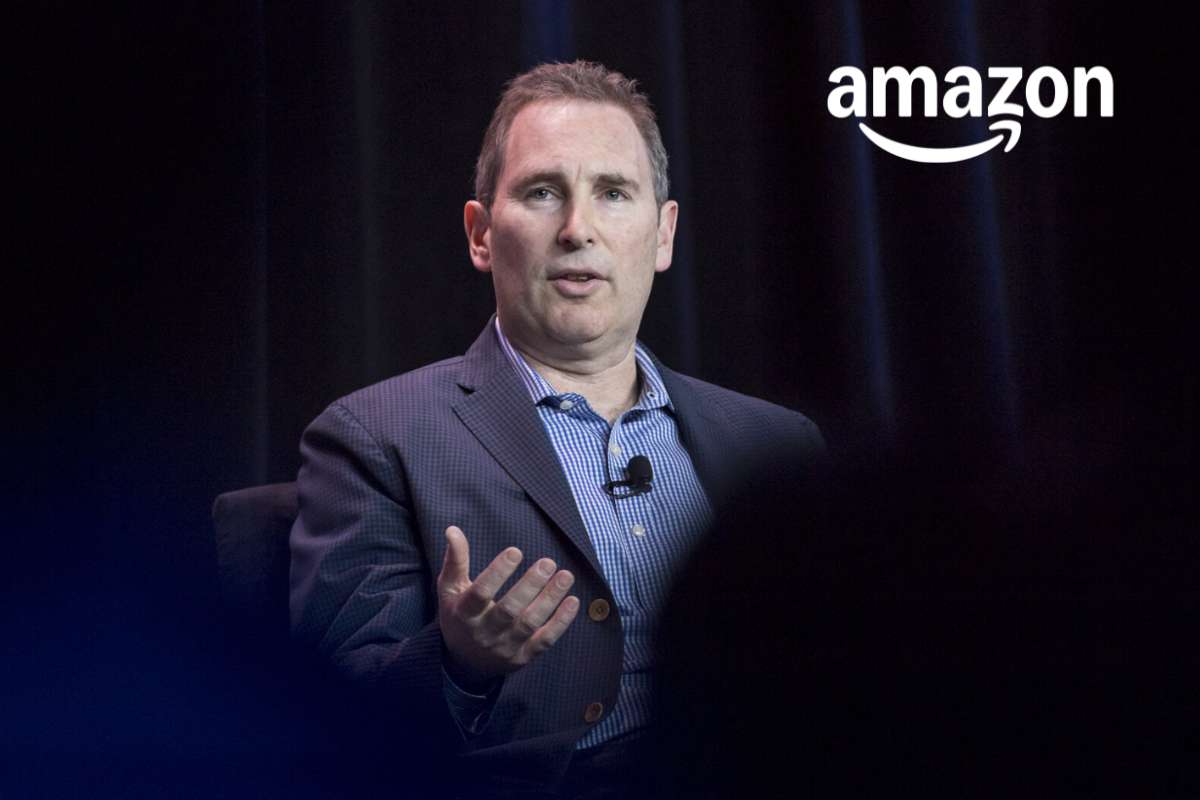
Amazon CEO Andy Jassy revealed that the company’s custom silicon division has reached an annual revenue run rate exceeding $20 billion, positioning the tech giant as a top-tier data center chip provider.
The unit, which includes Graviton CPUs, Trainium AI accelerators, and Nitro networking chips, has seen triple-digit year-over-year growth as cloud customers seek alternatives to traditional graphics processing units. During recent earnings discussions, Andy Jassy noted that demand for these chips is significantly outpacing supply, forcing the company to rapidly scale production.
Contracted Demand Fuels Massive Backlog
Amazon has secured more than $225 billion in multi-year revenue commitments tied directly to its Trainium chip line. These agreements include major anchor customers, with OpenAI committing to two gigawatts of capacity and Anthropic securing up to five gigawatts of future chip generations.
The surge in interest stems from the price-performance advantages offered by Amazon’s in-house hardware. According to company data, the Trainium3 accelerator offers 30% to 40% better price-performance than competing options, making it a critical asset for enterprise clients running large-scale machine learning workloads.
Strategic Pivot Toward Merchant Chip Market
While Amazon’s chips currently serve internal AWS infrastructure, Andy Jassy indicated that the division has the potential to reach $50 billion in annual revenue if operated as a standalone merchant business. This potential shift would see Amazon move beyond internal consumption to selling server racks and chips directly to third-party data centers, creating a direct competitive challenge to Nvidia’s dominance in the AI hardware market.
Industry analysts observe that this vertical integration allows Amazon to control compute, cloud delivery, and silicon distribution within a single architecture. By reducing reliance on external suppliers, Amazon aims to mitigate supply chain constraints while providing a more cost-effective foundation for the growing generative AI ecosystem.
Visit Visionary CIOs Magazine for the latest business and technology insights.