Key Takeaways:
- SpaceX aborted the 13th Starship test flight seconds before liftoff.
- Engine issues triggered an automatic shutdown of the launch sequence.
- Elon Musk plans a relaunch attempt for early next week.
SpaceX Aborts Starship Launch Seconds Before Liftoff
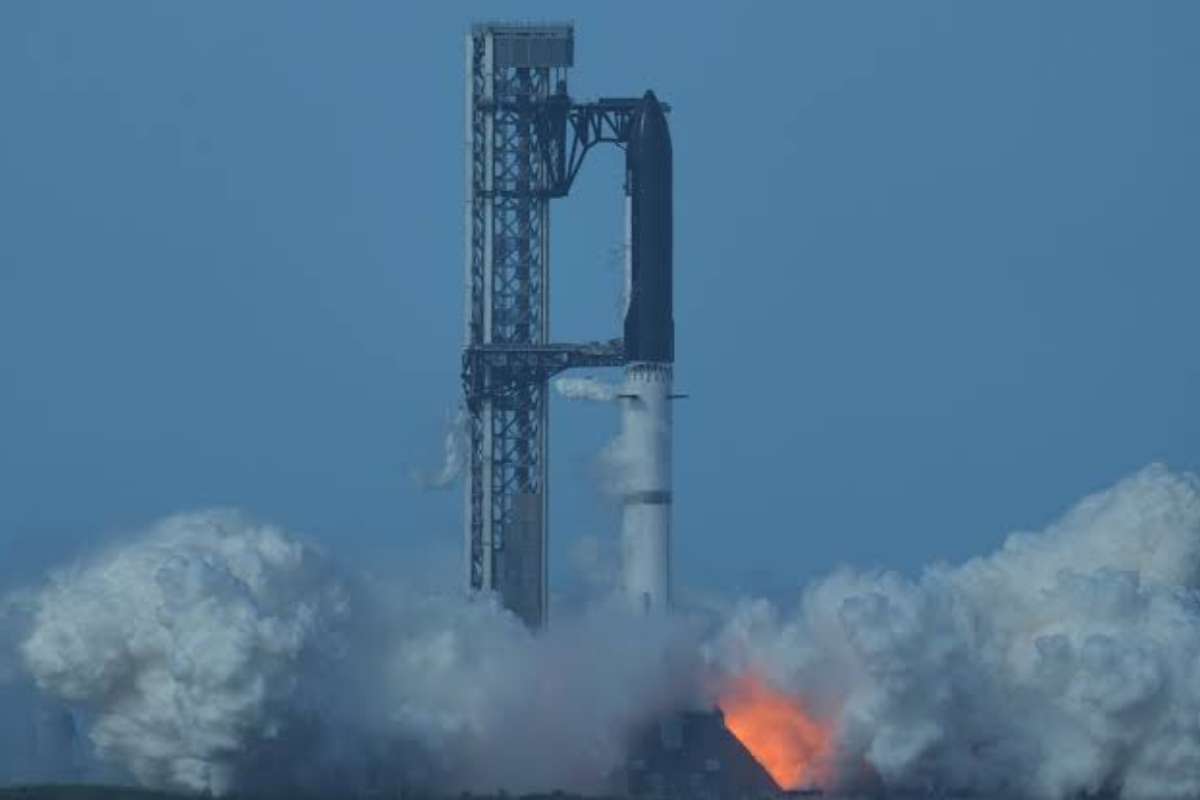
Elon Musk’s SpaceX aborted the 13th test flight of its Starship mega rocket on Thursday, July 16, 2026, after an automated system triggered a shutdown seconds before the scheduled launch.
The abort occurred at the company’s Starbase facility in South Texas as the vehicle prepared for a 6:45 p.m. EDT liftoff. Telemetry indicated that while the ignition sequence for the 33 Raptor engines began, several engines failed to start, prompting the onboard systems to scrub the flight to prevent a potential failure automatically.
“Some of the engines didn’t start, triggering an automatic launch abort,” CEO Elon Musk confirmed on the social media platform X. He added that the company is offloading propellant and will replace two Raptor engines before making another attempt, which he anticipates will occur early next week.
Technical Issues Hinder Latest Flight Test
SpaceX spokesperson Dan Huot explained during the mission webcast that the team is currently analyzing data to understand the root cause of the engine failure. He stated that engineers need to “take some time, dig into what triggered that abort” to determine the path forward for the mission.
This test flight was intended to build on previous objectives for the V3 Starship vehicle, including a controlled splashdown of the Super Heavy booster in the Gulf of Mexico. The mission also carried 20 next-generation Starlink V3 satellites, which were designed to test communication capabilities before being deployed on a suborbital trajectory.
Strategic Importance of Starship Development
Starship remains a cornerstone of Elon Musk’s SpaceX’s long-term strategy, as the massive, fully reusable system is essential for NASA’s Artemis moon landing missions and future exploration of Mars. Despite the setback, officials emphasize that the abort system functioned exactly as intended.
The postponement adds another delay to the development timeline for the world’s most powerful rocket. Elon Musk’s SpaceX continues to iterate on both the Super Heavy booster and the Starship upper stage, incorporating hardware and software upgrades to improve engine reliability and overall vehicle performance during high-stress flight environments.
Visit Visionary CIOs Magazine for the latest business and technology insights.