Key Points:
- Tim Cook earned about $74.3M in 2025, mostly from stock awards, keeping him among the highest-paid tech executives.
- His pay package has reignited debate over executive compensation and corporate accountability amid economic pressures.
- Apple faces added regulatory scrutiny over content curation and algorithms, intensifying focus on leadership and governance.
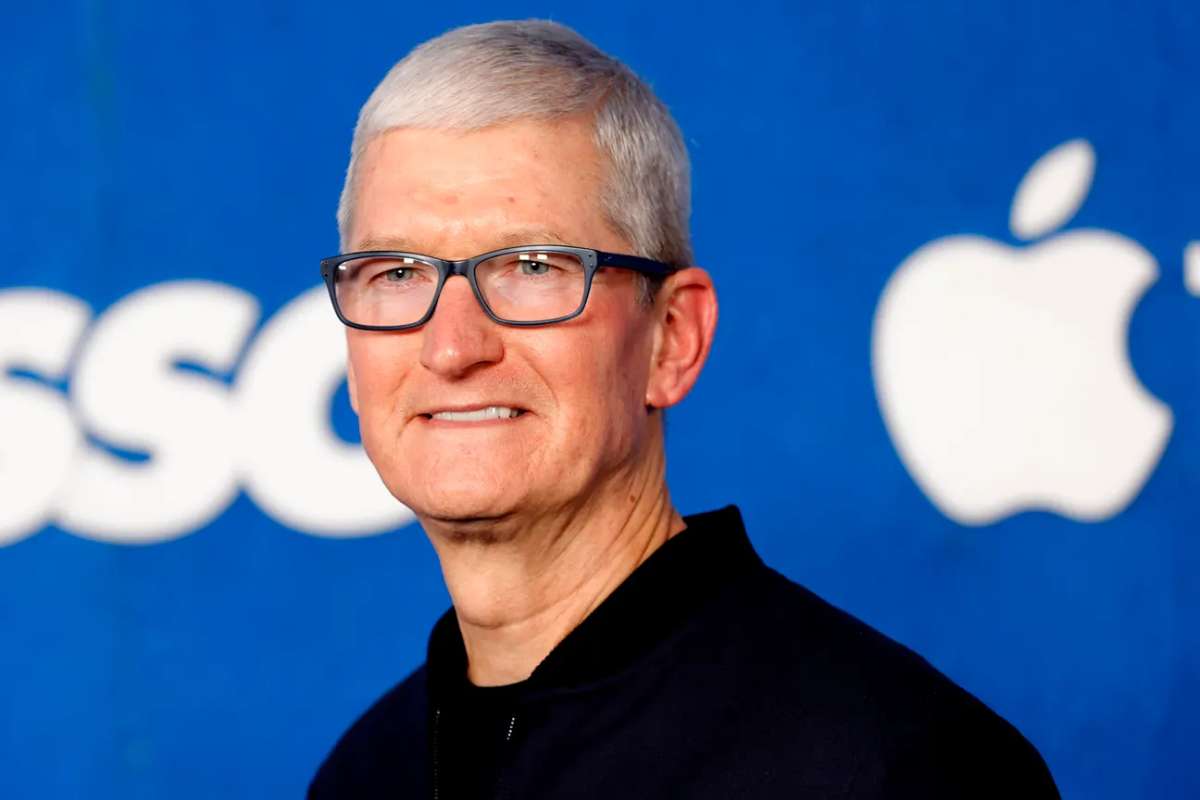
Apple Inc. Chief Executive Officer Tim Cook received total compensation of approximately $74.3 million for fiscal year 2025, according to the company’s latest proxy disclosures. While slightly lower than the $74.6 million he earned the previous year, the package keeps Cook among the highest-paid executives in the global technology sector.
The bulk of his compensation was tied to stock awards valued at about $57.5 million, reflecting Apple’s performance-based incentive structure. Cook’s base salary remained unchanged at $3 million, consistent with his pay level since 2016. Performance-linked incentives contributed an additional $12 million, while the remaining portion covered security expenses, retirement contributions, and other executive benefits.
Apple’s compensation model heavily emphasizes long-term shareholder value, with a significant share of executive pay tied to stock performance. Compared to other senior executives at the company, Cook’s compensation remains substantially higher, underscoring his central role in guiding Apple’s strategic direction and market positioning.
Ongoing Debate Over Executive Pay and Corporate Accountability
Despite the marginal year-over-year dip, Cook’s nearly $75 million compensation package has reignited discussions around executive pay levels in corporate America. The scale of compensation, particularly when contrasted with median employee earnings, continues to generate debate among investors and governance advocates.
In recent years, Apple CEO Tim Cook voluntarily accepted adjustments to his pay structure following shareholder feedback, signaling responsiveness to investor concerns. However, the overall magnitude of executive compensation at large corporations remains a contentious issue, especially as companies navigate economic uncertainty, inflationary pressures, and evolving workforce expectations.
Apple has consistently defended its approach, emphasizing that a large portion of executive compensation is performance-based and contingent on the company achieving strategic and financial targets. By tying compensation to equity awards, the company aims to align leadership incentives with long-term shareholder interests.
As shareholder scrutiny intensifies across the broader market, executive compensation practices at major technology firms are increasingly viewed through the lens of transparency, governance, and long-term sustainability.
Regulatory Developments Add to Leadership Focus
Beyond compensation matters, Apple CEO Tim Cook has recently come under regulatory attention following communication from federal authorities regarding Apple’s content curation and algorithm practices. The letter raised concerns about potential bias in Apple’s news distribution systems, adding to the growing regulatory oversight faced by major technology companies.
The development comes at a time when Apple is navigating heightened scrutiny from policymakers, regulators, and global markets. As digital platforms play an expanding role in shaping information access, questions surrounding transparency and accountability have gained momentum.
For Apple, the convergence of executive compensation disclosures and regulatory engagement places leadership firmly in the public spotlight. While the company continues to post strong financial performance and maintain a dominant market position, governance and oversight issues are likely to remain key themes heading into upcoming shareholder discussions.
Apple CEO Tim Cook’s compensation package and the broader regulatory environment reflect the complex balancing act facing modern corporate leaders delivering shareholder value, maintaining public trust, and responding to evolving regulatory expectations.