Cold tubs have moved from athlete locker rooms to regular homes, and many people now swear by the steady boost they feel from this simple practice. The benefits of an ice bath are no longer limited to sports recovery. More people are turning to it for comfort, better energy levels, and a sense of control over their day. With growing access to cold plunges in gyms and wellness centers, curiosity about this method has increased even further.
What makes an Ice Bath stand out is how accessible and practical the habit has become. It does not require complex tools or expensive treatments, and that is why people from different age groups are giving it a chance. Cold immersion has become a steady wellness choice that fits seamlessly into busy routines.
In this article, you will learn the benefits of an ice bath, what cold immersion can offer, and how it helps the body.
How Ice Baths Affect Your Body?
When cold water comes into contact with your skin, your nervous system responds instantly. Blood vessels tighten through vasoconstriction, reducing blood flow to your arms and legs. Your body treats the cold as a threat, raising your heart rate and increasing your breathing as adrenaline levels rise.
Once you step out, the opposite occurs. Your blood vessels widen in a process called reactive hyperemia. This boosts circulation, sends fresh oxygen to tired muscles, and helps flush out waste, such as lactic acid. With repeated exposure, your nervous system learns to stay calmer during this controlled stress, which is why the shock becomes easier to handle over time.
Cold immersion also lowers skin and core temperature, helping manage inflammation and reduce soreness after strenuous workouts. Studies have shown that consistent cold-water sessions over several days can help reduce muscle damage. The pressure of being underwater further supports blood flow to key organs, improving oxygen and nutrient delivery.
12 Benefits of an Ice Bath
1. Helps Reduce Muscle Soreness
Cold immersion is widely used to ease discomfort after training. When the body meets cold water, the lower temperature helps calm muscle fibers that feel tense or overworked. This response can reduce the heaviness people often feel the next day. Many athletes consider this one of the primary benefits of an ice bath, as it supports steady recovery.
2. Supports Better Mental Focus
Cold immersion forces the body to stay alert, which helps sharpen concentration and focus. The sudden shift in temperature activates natural chemicals associated with clarity and attention. People who take cold dips regularly often report feeling more grounded after their sessions. This effect has encouraged more wellness groups to study the mental side of cold therapy.
3. Encourages Healthier Circulation
Cold exposure causes the blood to shift inward and then return to its normal position once the body warms up. This cycle helps support healthier blood flow and may improve how the muscles receive oxygen. People who sit for long periods often find this process refreshing. One of the benefits of an ice bath that appeals to those seeking simple daily wellness habits is that it is a convenient and accessible option.
4. Provides a Natural Energy Boost

Cold immersion delivers a quick surge of alertness that many find more reliable than caffeine. The cold triggers a natural lift in breathing and heart activity, which helps people start their day with strength. Regular users often describe the after-effect as clean, steady energy. This growing interest has helped cold dips become part of morning routines in fitness centers and homes.
5. Helps Lower Swelling After Physical Activity
Intense physical work can lead to swelling in muscles and joints. Cold water helps limit this by slowing down specific processes that cause puffiness. After the dip, the body gradually relaxes, leading many users to feel lighter and less stiff. This is another significant benefit of ice baths for individuals who train regularly.
6. May Improve Sleep Quality
Cold immersion can help the body settle after a long day. Once the temperature returns to normal, many people feel calmer and ready to unwind. This relaxed state promotes better sleep routines, especially for individuals with irregular sleep patterns. While results vary, many users report deeper rest after consistent practice.
7. Supports Stress Control
The body reacts strongly to cold at first, but learning to breathe through that reaction builds emotional steadiness. Over time, this controlled exposure can help individuals respond more effectively to daily pressures. It teaches the body to recover quickly from short discomfort, which may support overall calmness. Some people use this method as part of their stress-management toolkit.
8. Can Improve Skin Feel and Texture

Cold immersion can tighten the pores and reduce excess oil. This helps the skin feel firmer and more refreshed after each session. People who practice cold dips often mention that their skin feels cleaner and more awake. While it does not replace skincare routines, it offers a natural boost with no added products.
9. Helps Strengthen Breathing Control
Cold exposure forces the body to adjust its breathing rhythm. People quickly learn to take slow, steady breaths to stay calm. With time, this breathing control can also help outside the tub, especially during workouts or stressful moments.
10. Builds Consistent Discipline
Showing up for a cold dip requires commitment, especially on days when motivation is low. This practice strengthens routine and self-control, which often carries over into other habits. As people continue cold immersion for months, they tend to feel more structured and determined in their daily tasks. This mental shift makes the habit rewarding in a way that extends beyond the physical aspect.
11. Supports Heart Health When Used Safely
Cold water increases heart activity briefly, which helps the cardiovascular system adapt to varying conditions. With safe limits, this can support long-term heart health goals. People with existing conditions should always consult a doctor first, but healthy users often find the effect energizing.
12. Offers a More Accessible Wellness Method
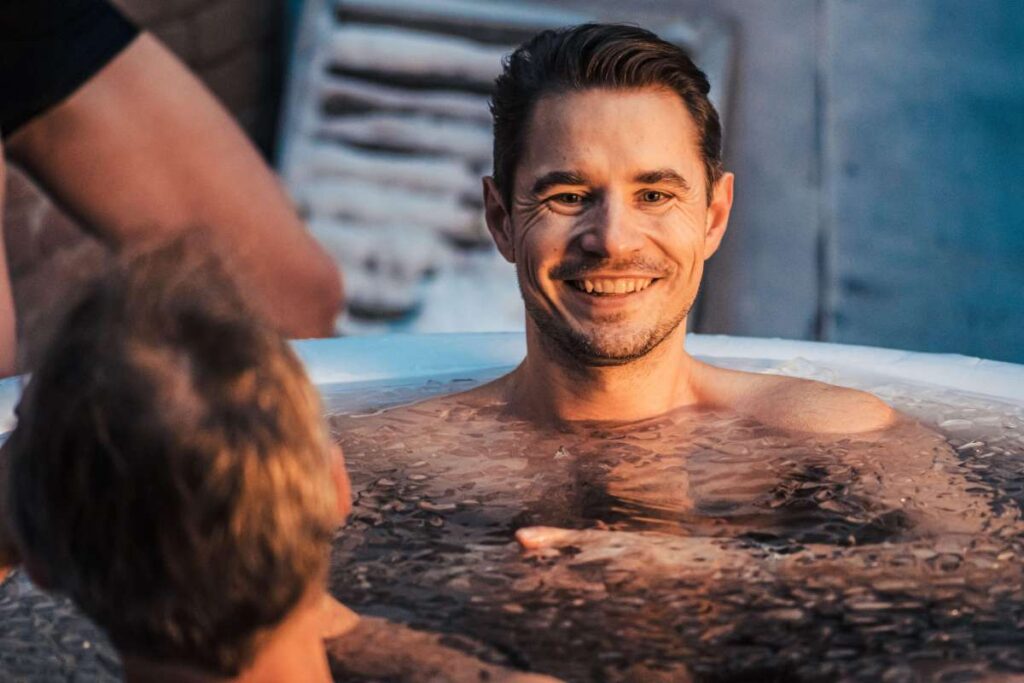
Cold immersion does not require complex tools or large budgets. A tub, clean water, and ice are enough for most people to begin. This makes the routine far more reachable compared to other wellness methods. Its simplicity is one of the main benefits of an ice bath for people seeking reliable and affordable habits.
Practical Guidance for Safe Ice Bath Use
Safe ice bath habits are about more than just time and temperature. A good protocol considers preparation, how you get in and out, how often you plunge, and who should be extra cautious. Recent guides and research updates from 2024–2025 refine earlier advice and give clearer ranges for beginners and regular users.
Key safety steps for maximizing benefits
- Set the right temperature: Most experts recommend water between 50°F and 59°F (10–15°C) for general recovery, with beginners starting slightly warmer, around 55–60°F, before gradually moving to cooler temperatures over several sessions.
- Start with short sessions: One to three minutes is enough at first, then build gradually toward about 5–10 minutes; many protocols cap safe immersion at 10–15 minutes and advise never exceeding 20 minutes.
- Aim for weekly “dose” instead of marathon plunges: Several newer cold plunge guides suggest targeting roughly 11 minutes of total cold exposure per week (split across sessions), which seems sufficient for most benefits in current studies.
- Monitor warning signs in real-time: Get out immediately if you experience chest pain, dizziness, numbness in your hands or feet, severe or uncontrollable shivering, confusion, or if your skin turns pale, gray, or blotchy.
- Prepare your exit before you enter: Keep a dry towel, warm loose clothing, socks, and a hat ready. Allow your body to rewarm gradually at room temperature, rather than jumping straight into very hot water or a sauna.
- Control how you get in: Ease in slowly instead of dropping in all at once to reduce the “cold shock” response that spikes breathing, heart rate, and blood pressure.
- Match frequency to your goals and health: One to three sessions per week works well for most healthy individuals; endurance athletes in heavy training blocks may use them more frequently, while those with heart or circulatory problems should only engage with medical clearance.
Also Read
- Sculpt, Sweat, and Strengthen: Workout at Home Without Equipment in 7 Days
- How to Be Funny? Unlock the Science, Skills, and Secrets Behind Humor
- Top 20 Proven Wellness Activities for Employees That Boost Health, Happiness, and Productivity
Who Should Avoid Ice Baths?
Some individuals should avoid cold immersion despite the benefits of an ice bath discussed in other sections. Individuals with heart conditions, circulation issues, or diabetes are at an increased risk and require medical clearance before attempting cold exposure. Pregnant individuals and people taking medications that influence blood pressure should also proceed cautiously. Individuals with infections, open wounds, or compromised immune systems should avoid the practice altogether. Even healthy individuals must stop immediately if they experience chest pain, dizziness, or an irregular heartbeat.
Alternative Recovery Methods Worth Considering
For those who cannot use ice baths safely, other recovery tools offer effective alternatives that provide similar benefits to those of an ice bath. Active recovery through gentle movement, stretching, and yoga provides relief without extreme temperature stress. Foam rolling, massage, and heat therapy also help with muscle relaxation and tension release. Compression garments provide moderate recovery support and can be paired with other methods. Quality sleep remains essential, as it reinforces every other recovery strategy and strengthens long-term health more reliably than any single technique.
Conclusion
The benefits of an ice bath represent a compelling yet nuanced part of modern recovery science. Cold immersion can help reduce soreness, manage inflammation, support mood, and offer metabolic advantages, but these effects vary widely across individuals. Endurance and high-intensity athletes tend to benefit the most, while people focused on maximum strength gains may need to time their ice baths carefully to avoid limiting muscle adaptation. Current research continues to evolve, but experts agree that ice baths are most effective when used as part of a comprehensive recovery plan, rather than as a standalone method. With the proper precautions and a gradual approach, healthy individuals can safely incorporate cold immersion and utilize it to support long-term performance and overall well-being.