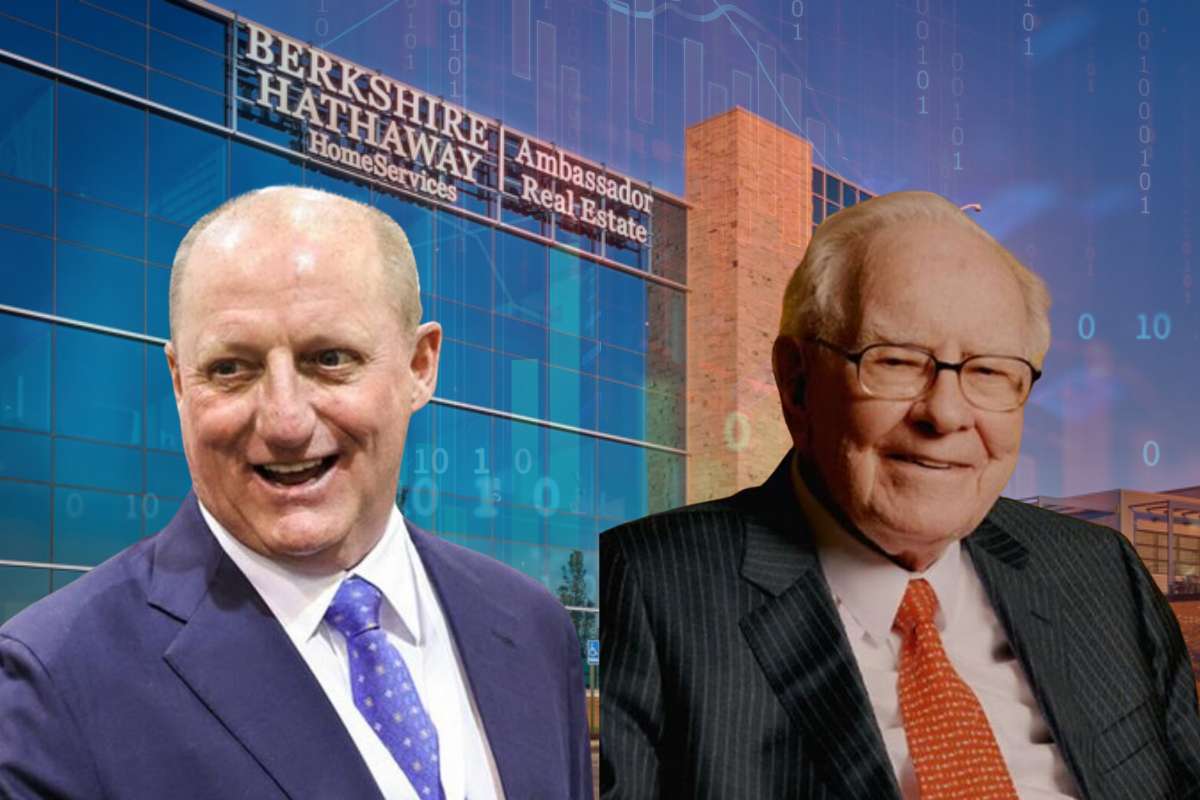
Greg Abel, the newly appointed CEO of Berkshire Hathaway, is already making waves in the business world. Within weeks of taking over the helm, Abel has signaled a willingness to tackle one of the conglomerate’s most challenging investments, its stake in Kraft Heinz. This early action suggests a potential shift from the long-standing, patient investment philosophy of Warren Buffett, indicating that Abel may take a more proactive approach to underperforming assets and prioritize long-term shareholder value.
Berkshire Hathaway’s stake in Kraft Heinz, acquired during the 2015 merger of H.J. Heinz and Kraft Foods, has struggled for years. Declining stock prices and multi-billion-dollar writedowns have made the holding a source of concern. Early reports suggest that Abel is considering a divestment of this stake, marking a possible break from Buffett’s historically hands-off approach to troubled investments. Analysts see this as a clear sign of Abel’s strategic style: confronting challenges head-on and making decisive moves that could shape the future trajectory of the company.
Market watchers are keenly observing these early signals, interpreting Abel’s actions as an indication that Berkshire may be entering a new era of active portfolio management. Unlike Buffett, who often preferred to hold onto investments for decades regardless of short-term performance, Abel appears willing to recalibrate the company’s holdings to maximize efficiency and returns. This willingness to adapt could be pivotal as Berkshire navigates a rapidly changing economic landscape.
A New Chapter Following Buffett’s Historic Leadership
Abel’s ascension to CEO represents the culmination of a carefully orchestrated leadership transition at Berkshire Hathaway. Warren Buffett, who transformed the company from a modest textile mill into a global conglomerate valued at nearly $1 trillion, stepped down as CEO after more than six decades in charge. While Buffett remains chairman, Abel now holds full operational authority over the company, inheriting both its vast portfolio and its reputation for disciplined investing.
Before becoming CEO, Abel oversaw all of Berkshire Hathaway’s non-insurance operations, including utilities, railroads, retail, and manufacturing units, giving him deep institutional knowledge. A Canadian native, Abel joined Berkshire through the acquisition of MidAmerican Energy in 2000 and steadily rose through the ranks, earning a reputation as a skilled operator with a pragmatic approach to corporate strategy. His leadership style contrasts with Buffett’s more patient, long-term investment philosophy, signaling potential changes in both strategic direction and corporate culture.
Investors and industry observers alike are watching closely, curious about how Abel will handle Berkshire’s substantial cash reserves and whether he will pursue large acquisitions, divestments, or stock buybacks. This early stage of leadership is being scrutinized for hints about the company’s priorities under Abel’s stewardship.
Early Signals: Compensation and Market Response
Abel’s early tenure has also brought attention to executive compensation, with a reported annual salary of $25 million. This is a notable departure from Buffett’s famously modest pay and reflects a modernization of Berkshire’s executive structure. Analysts view this as part of Abel’s broader approach to operational and corporate reform, balancing tradition with the demands of a modern conglomerate.
The market has responded with cautious optimism. While Berkshire’s stock has experienced some volatility amid the leadership transition, investors are encouraged by Abel’s willingness to confront underperforming assets and take decisive action. The potential sale of Kraft Heinz shares and other portfolio realignments are seen as steps toward a more active and strategic management style. As Abel prepares to communicate his priorities to shareholders in upcoming reports, the business world will be closely watching whether his early actions mark the beginning of a bold, new era for Berkshire Hathaway.
Visit Visionary CIOs Magazine for the latest information.